Loreen's Amazigh Origins: The Secret Behind Her Massive Success
Double Eurovision winner, Swedish singer Loreen makes her comeback with the album Wildfire. Deeply marked by her Moroccan origins, the artist draws on the legacy of her Berber ancestors to fuel her music and her hunger for emancipation.
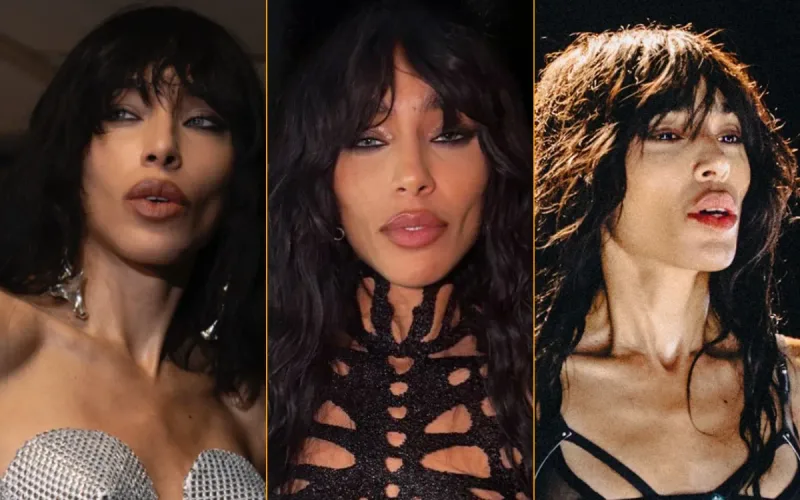
Nine years after her previous album and nearly three years after the global success of Tattoo, Loreen unveils Wildfire. This album is meant to be an intimate response to the chaos of today’s world. Far from rushing, the artist moves at her own pace, refusing to force her creativity. This visceral need to carefully follow her feelings is a character trait deeply rooted in her, directly inherited from her Amazigh roots.
On Bladi.net : Not looking too Arab": how the industry tried to erase the Moroccan identity of La Zarra
From her earliest years, spirituality has permeated her relationship with singing. Her grandmother would even address her in Arabic to remind her of her mission: « God gave you a tool like that… and it’s not just for you. » As Le Soir notes, Loreen draws her mystical dimension from the culture of nomadic tribes of the Atlas. She admires the way Sufis use music to act on the human body, ancestral knowledge she has unconsciously assimilated.
Beyond this musical approach, the singer is driven by the resilience of the women in her maternal lineage. Their stories, often forged in adversity, invariably consisted of « fighting for a form of freedom. » This heavy family baggage now dictates the conduct of the international star. By taming her ego and fleeing the toxic expectations of the industry, she fully assumes her truth in an attempt to achieve absolute independence.
On Bladi.net : Eurovision Winner Loreen Makes French Debut, Reflects on Moroccan Heritage
Although she cherishes her Moroccan heritage, the artist also needs to recharge physically in the vast desert expanses of the North, such as Iceland or the Swedish island of Gotland. It is in this protective silence that she manages to sharpen her intuition. Appearing in armor on her new cover, she positions herself as a messenger of a new era. Facing a society saturated with masculine influences, she asserts that « feminine energy, » guided solely by the intelligence of the heart, represents today « the antidote to everything that is happening. »