2030 World Cup: Major construction projects accelerate Morocco, but regional disparities persist
Giant stadium, high-speed rail, RER, airports: the 2030 World Cup is accelerating Morocco’s modernization. However, this transformation is concentrated in the major metropolitan areas, while three regions produce nearly 60% of national wealth and poverty remains primarily rural.
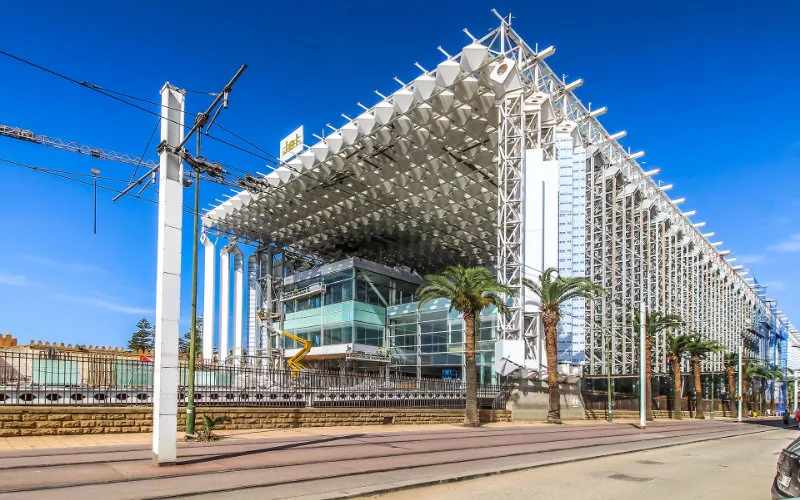
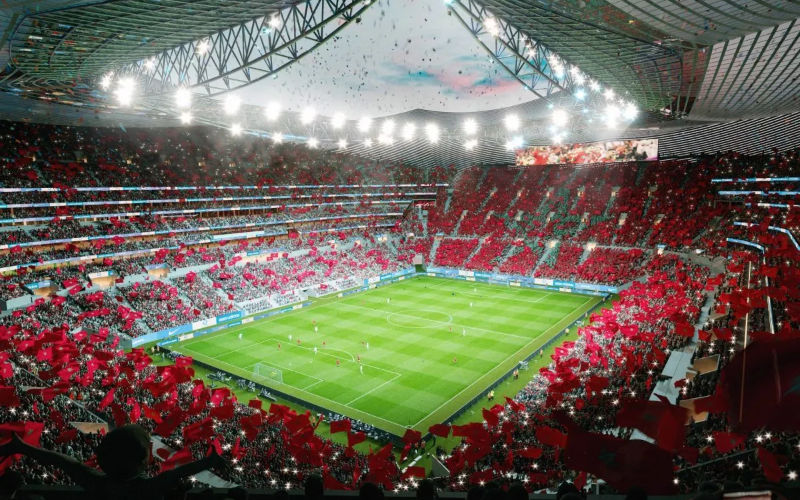
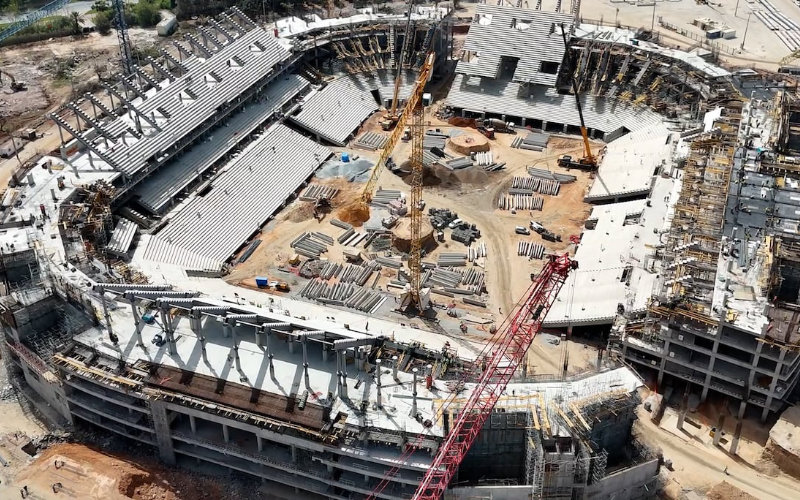
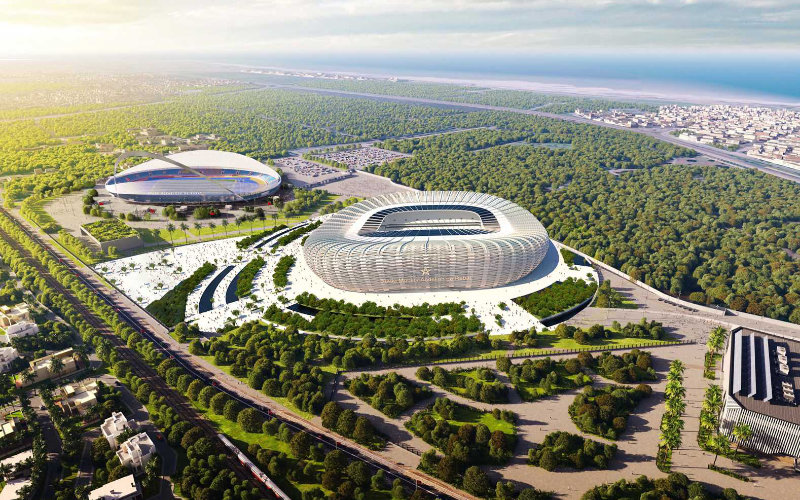
From the train to Casablanca, the cranes of the Grand Stade Hassan-II are already taking shape in Benslimane. With its 115,000 seats, the venue aims to become the largest football stadium in the world and host the 2030 World Cup final.
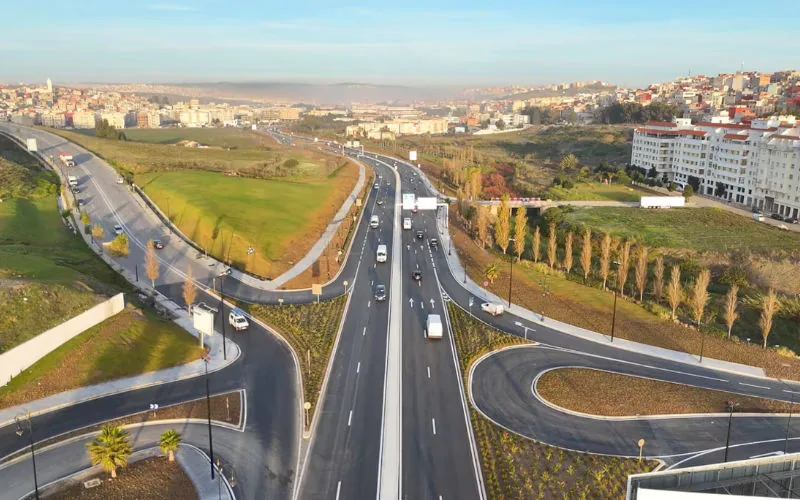
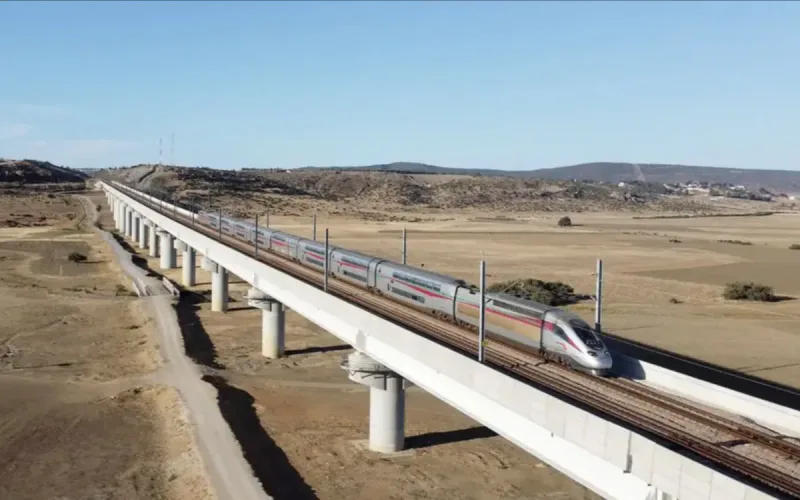
The stadium is the most spectacular part of a much broader program. Casablanca is benefiting from the extension of the high-speed rail line toward Marrakech, a future regional express network expected in 2029, and a bus rapid transit network inaugurated in 2024.
On Bladi.net : World Cup 2030 Morocco Stadium Giant Project Challenges Spain
These projects are intended to open up peripheral neighborhoods, improve traffic flow and support the metropolitan area’s growth. For Karim Rouissi, president of Casamémoire, the World Cup has made it possible to bring to fruition infrastructure projects that had long remained stalled and that are directly useful to residents, reports Les Échos.
Morocco must invest approximately 190.3 billion dirhams in connectivity and tourism infrastructure between 2024 and 2030. According to the International Monetary Fund, this amount represents 11.9% of 2024 GDP.
Railways account for the largest share of the program, ahead of airports, stadiums, roads and urban and tourism developments. The World Cup imposes a fixed deadline and accelerates investments intended to serve the country long after the competition.
Three regions produce 58.4% of GDP
This acceleration is built on an economy that is already highly concentrated. Casablanca-Settat, Rabat-Salé-Kénitra and Tanger-Tétouan-Al Hoceima together generated 58.4% of Morocco’s GDP in 2024. They are home to most of the industrial, logistics and service activities.
The rest of the country is advancing at a different pace. The multidimensional poverty rate fell from 12% in 2014 to 7% in 2024, but 72% of this poverty remains concentrated in rural areas. Isolation and difficulties accessing public services continue to hinder development there.
The regions that will host the World Cup also face their own divisions. In Agadir, the deaths within one week of eight women who had given birth by cesarean section in a public hospital sparked the “Gen Z 212” protest movement in September 2025, focused on failures in healthcare and education.
The IMF continues to highlight shortages of medical staff, poor educational outcomes, regional disparities and the aging of some infrastructure. The reforms undertaken in healthcare and education must now advance at the same pace as railway, airport and sports construction projects.
On Bladi.net : World Cup Billions Threaten Morocco’s Economy
The World Cup is rapidly transforming Morocco’s major cities and supporting growth. It also places the disparities that still separate metropolitan areas from rural territories fully in the spotlight.
By 2030, the challenge will therefore not be limited to delivering the stadiums, trains and airports on time. Morocco will have to extend this acceleration to the rest of the country so that the global showcase more closely reflects the reality of all its regions.