Tunisia’s new Deglet Nour dates hit the market, but exports to Morocco remain uncertain
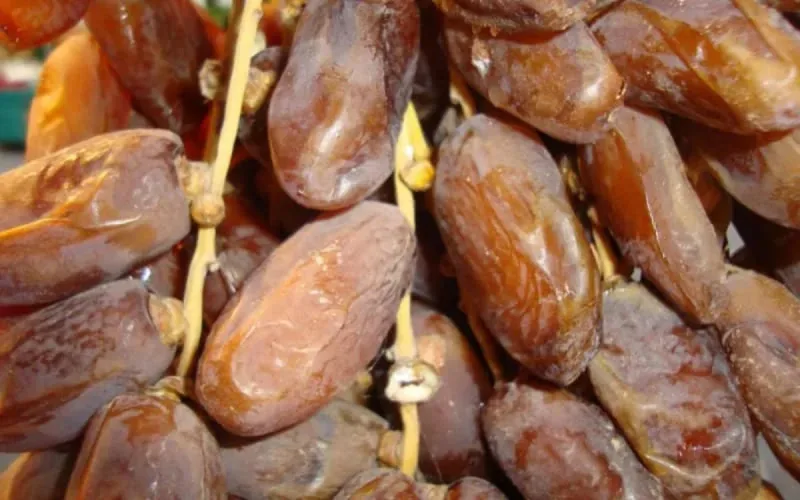
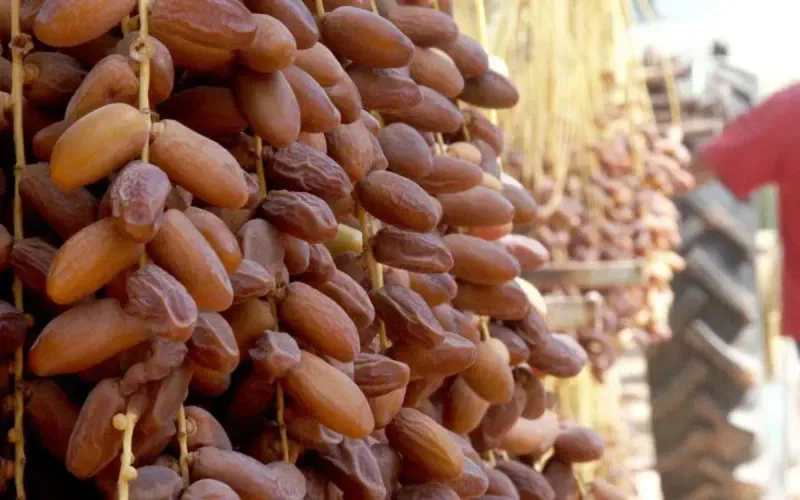
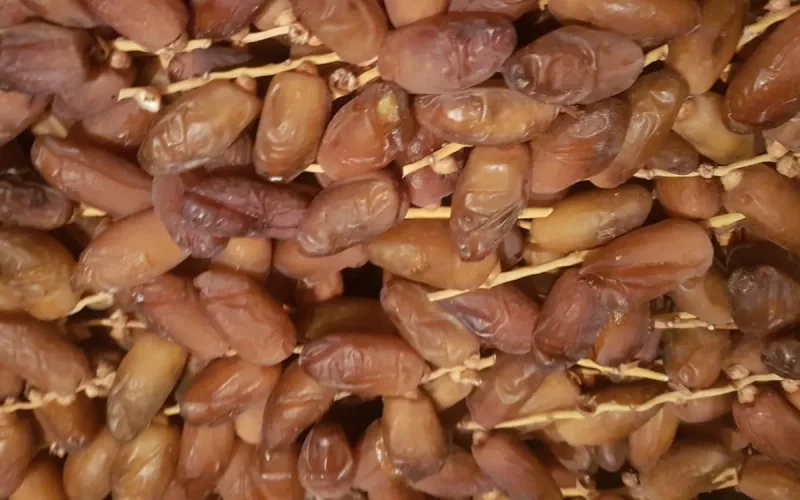
The new Tunisian Deglet Nour date harvest is reaching international markets, but exporters are still waiting for shipments to Morocco to resume. The Kingdom, the sector’s leading export market, continues to regulate imports to support domestic production.
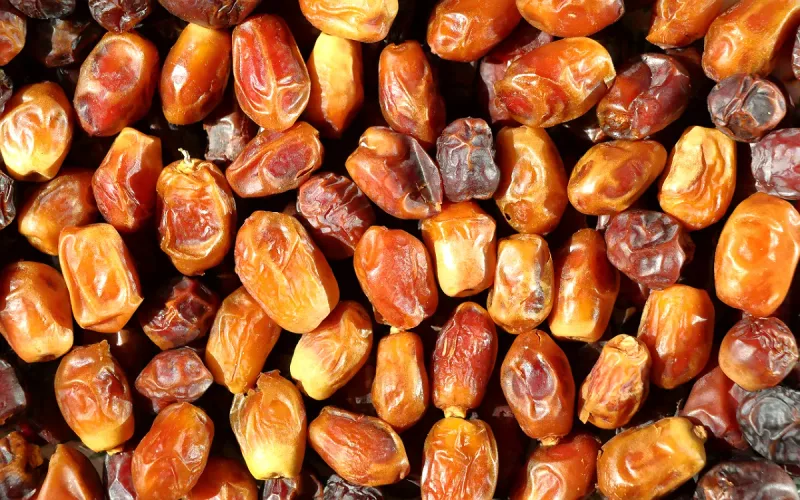
The 2026-2027 season began two to three weeks late in Tunisia. Packing operations for the new harvest have now started, and shipments to Europe are under way. But the Moroccan market, the largest buyer of Tunisian dates by volume, remains subject to restrictions, and industry professionals are waiting to learn what the next arrangements will be.
On Bladi.net : Morocco Turns Off the Tap as Tunisian Dates Seek Buyers Elsewhere
According to information gathered by FreshPlaza in an article published on November 17, exporters are hoping Moroccan imports will resume in January 2027. This date is being discussed in the industry, but Rabat has announced no official timetable.
Since December 2025, dates imported into Morocco have been subject to a licensing system. Introduced to regulate the quantities entering the domestic market, the measure has upended Tunisian trade channels. The restrictions had already prompted exporters to seek new markets in Asia, particularly to reduce their dependence on the Moroccan market.
The uncertainty is particularly affecting small traders and packing stations, some of whose business depends on Moroccan orders. Meanwhile, shipments to Europe continue, while stocks from the previous harvest are still supplying some Asian and Latin American markets.
Morocco gives priority to its date harvest
The wait comes as Morocco forecasts a record production of 177 000 tonnes for the 2026-2027 season, up 11%. At the International Date Fair in Erfoud in late October, Moroccan authorities reaffirmed their intention to regulate imports so domestic producers can sell their harvest.
Morocco’s annual consumption is estimated at between 220 000 and 250 000 tonnes. Even with this record harvest, domestic production will therefore remain below market needs. The key issues include when imports will be allowed to resume and what volumes may be authorized.
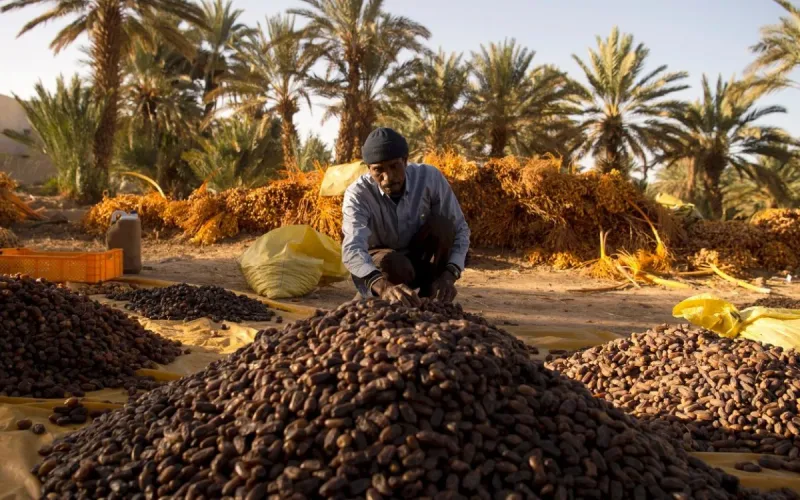
In Tunisia, the season is expected to be less abundant. National forecasts put date production at 354 000 tonnes, compared with 404 000 tonnes the previous season, a decline of 12,4%. The late harvest and rising packing costs are also making sales more difficult. For Tunisian exporters, the resumption of Moroccan orders remains one of the major uncertainties in the months ahead.