Tesla, BYD, Neo : how local production and battery factories are boosting electric vehicles in Morocco
The Moroccan electric vehicle market is experiencing a spectacular acceleration. A new study by BMI-Fitch Solutions forecasts an 80.4% growth in sales for the year 2025, driven by a booming local production, the arrival of new manufacturers and strong government incentives.
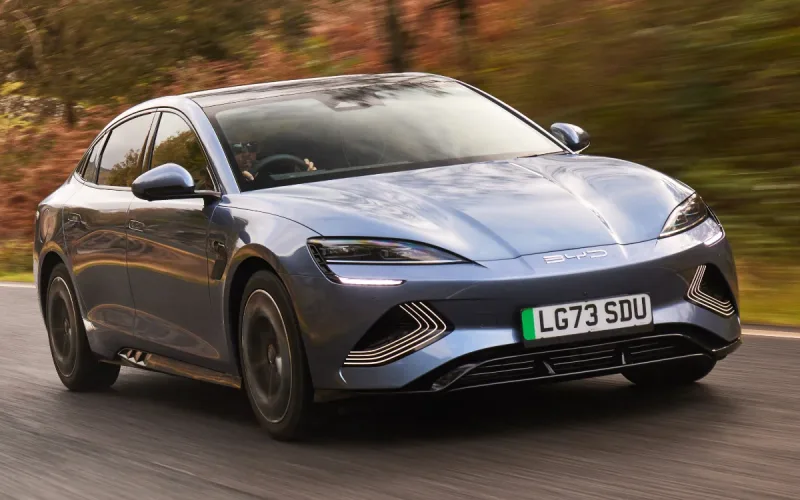
The forecasts indicate that passenger electric vehicle sales (100% electric BEV and plug-in hybrid PHEV) should reach 5,311 units in 2025, bringing their market share to 2.6%. This momentum follows a 143% jump in BEV sales in 2024. In the longer term, the study anticipates an average annual growth of 36.2% until 2034, reaching a volume of 57,258 units sold that year, according to Le Matin.
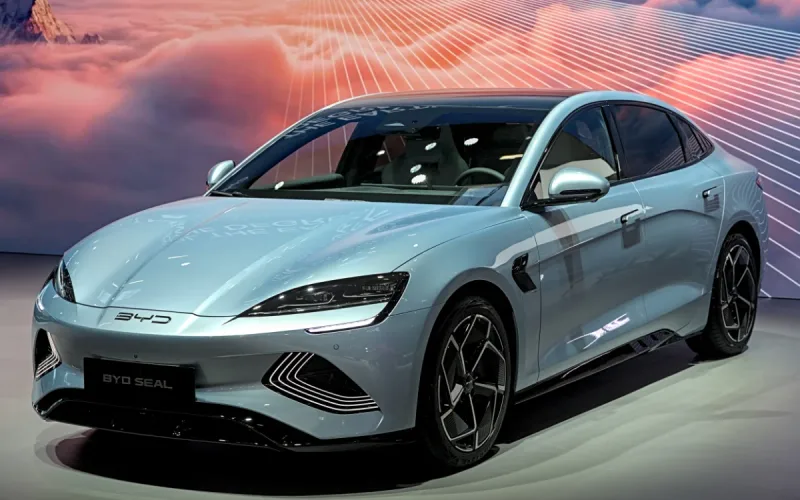
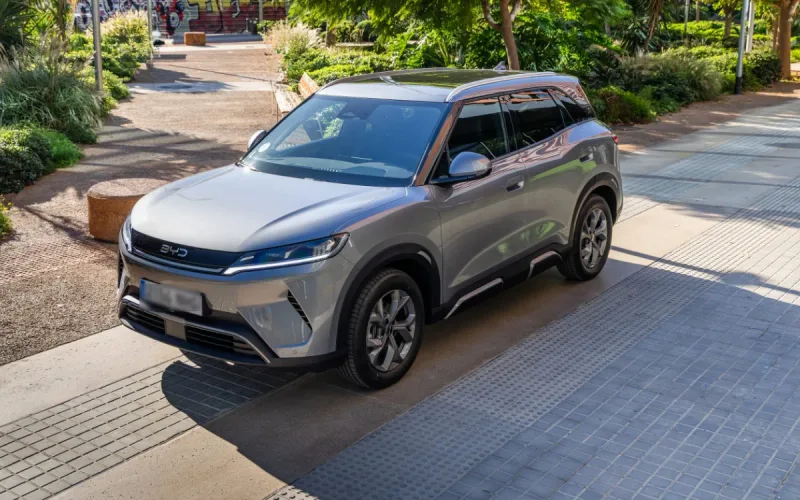
This growth is driven by the emergence of a local offering. The Moroccan brand Neo Motors unveiled its first electric vehicle, the Dial-E, in October 2025, with a planned production launch in January 2026. The arrival of Tesla has also been confirmed in June 2025, with an assembly unit project in Kénitra. Chinese brands, such as BYD (PHEV leader in 2024) and Zeekr, are also strengthening their presence.
Morocco becomes a battery production hub
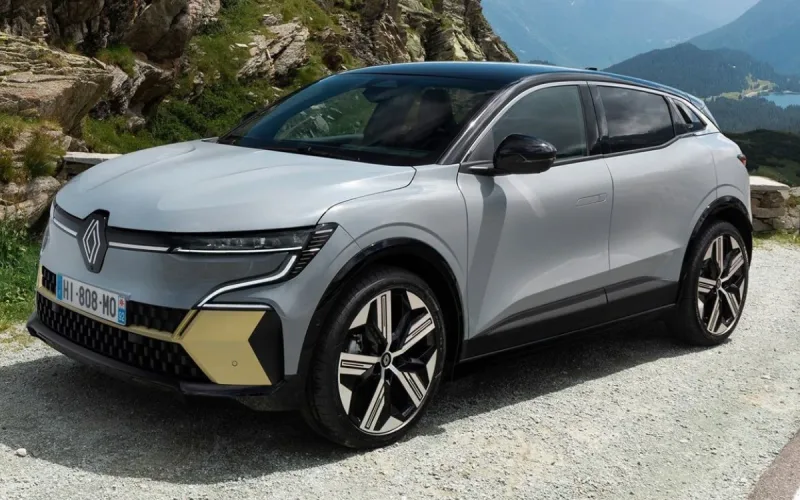
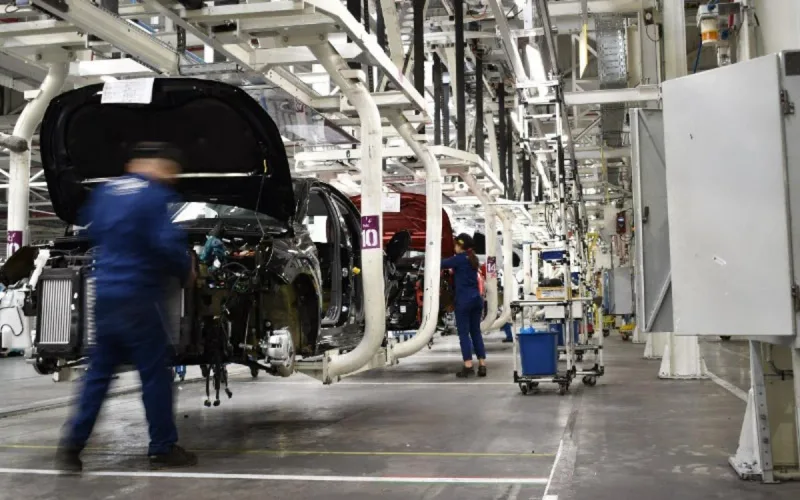
The government supports this adoption with a full VAT exemption, a reduction in customs duties and purchase premiums. But the real transformation of the sector lies in the industrialization of the entire value chain. Renault announced in October 2025 a new investment phase including an electric vehicle production line and an R&D center.
At the same time, Morocco is attracting massive investments in battery production. The Chinese giant Gotion High Tech has invested billions of dollars to establish two gigafactories. Other major suppliers, such as Tinci Materials and BTR New Material Group, are also building component factories (electrolytes, cathodes) in Jorf Lasfar.
While the development of local production should secure the supply chain, the BMI report points out that the rapid expansion of the charging network (1,000 points by the end of 2024) will remain essential to support the growth of an electric vehicle fleet that could exceed 236,000 units by 2034.