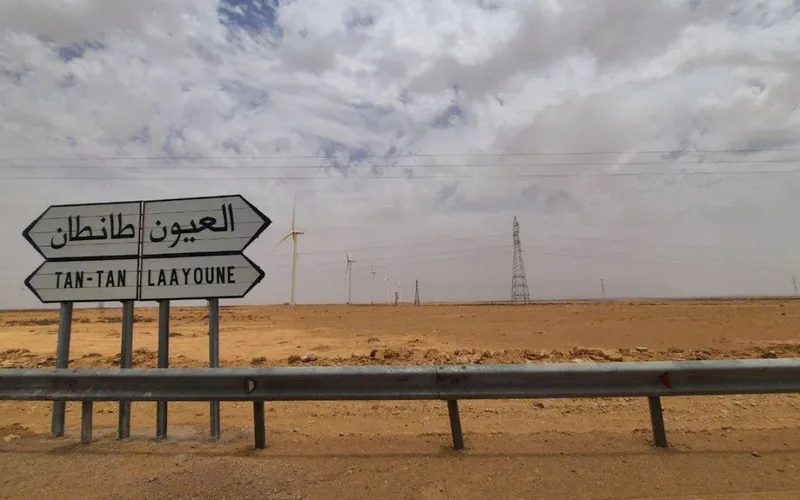
Tensions between Morocco and Algeria: Finally a path to dialogue?
The Maghreb Forum for Dialogue, dedicated to promoting a culture of dialogue in the Maghreb region, has called for mediation by Mauritania, Libya and Tunisia, with a view to reconciling Morocco and Algeria, while respecting the principles of neutrality and balance.
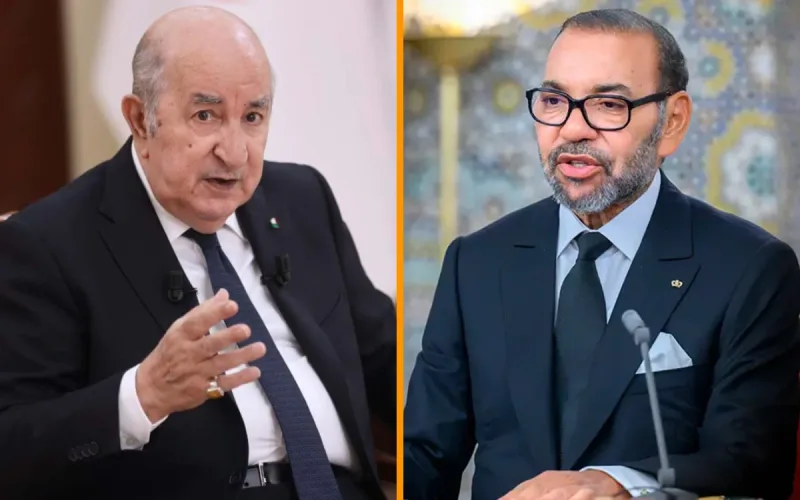
Restoring dialogue between Algeria and Morocco. This is the wish of the Maghreb Forum for Dialogue, calling for this tripartite mediation. "The success of this approach is not limited to its symbolic scope, but represents a practical way to rebuild trust between the two countries, allowing the resumption of cooperation trajectories interrupted for years, and paving the way for the development of a common vision capable of strengthening the cohesion of the region and protecting its stability," the Forum states in a press release. And to add: "At this precise moment, the appeasement and restoration of relations between Algeria and Morocco are becoming the cornerstone of the reorganization of the Maghreb house, and a necessary condition to allow the peoples of the region to aspire to a more stable, balanced and harmonious future."
For this organization, "stability in the Maghreb region is one of the greatest challenges facing peoples and governments alike, in a context of persistent tensions between Algeria and Morocco and the resulting political, economic and security repercussions that weaken the possibilities of common integration." For this reason, the Forum believes that mediation has become "an urgent necessity and not a choice of comfort, because the future of the region now directly depends on its ability to manage its internal differences with a collective spirit capable of overcoming narrow calculations." In this sense, the Forum has stressed "the role that the three Maghreb countries - Mauritania, Tunisia and Libya - can play as relatively neutral parties with characteristics that make them a natural bridge between Algeria and Morocco."
"Mauritania currently occupies a central position in any conception of regional mediation, particularly in light of the relative political stability it enjoys compared to a turbulent regional environment; despite economic and development challenges, Nouakchott maintains balanced and calm relations with Algeria and Morocco [...] Similarly, its prudent and measured position on the Sahara issue reinforces its image as a neutral party seeking stability and not alignment..." the Forum states in its press release, specifying that "Mauritania’s geography is an influential factor in understanding its role, as it is located at the intersection of Algeria, Morocco and the Sahel region, which makes its internal security closely linked to the stability of its neighbors, and gives it an objective motivation to work to reduce tensions and bring the two parties’ viewpoints closer together, within the framework of a broader vision aimed at strengthening the stability of the Maghreb region."
As for Tunisia, it "represents an important asset in any Maghreb mediation effort, despite the political and economic circumstances it is currently going through; Tunisian diplomacy retains a long heritage of moderation and quest for consensus, a heritage that gives it a moral capacity to play the role of facilitator between divergent points of view," the note explains, adding that despite the security challenges it faces, Libya "remains an essential component of the Maghreb ensemble, and its presence - even minimal - reflects a real willingness to develop a comprehensive approach that is not limited to two parties, but includes all the components of the Maghreb space in the construction of a new dialogue approach. Furthermore, its geographical position and the intertwining of its security files with those of neighboring countries make its stability inseparable from that of the entire region."
The Maghreb Forum for Dialogue believes that "the convergence of the roles of Mauritania, Tunisia and Libya can constitute a real lever to launch a new dynamic focused on building trust between Algeria and Morocco through simple and gradual steps, without directly addressing the complex files; the primary objective is not to solve all the issues, but to create a climate that allows the restoration of communication channels and the reduction of media and political tensions, as a prelude to a broader dialogue process within a common vision of reviving the Maghreb project." According to the Forum, "international experiences have shown that regional mediations, when they are multilateral and in line with the particularities of the region, are more accepted and lasting than individual initiatives or external pressures."
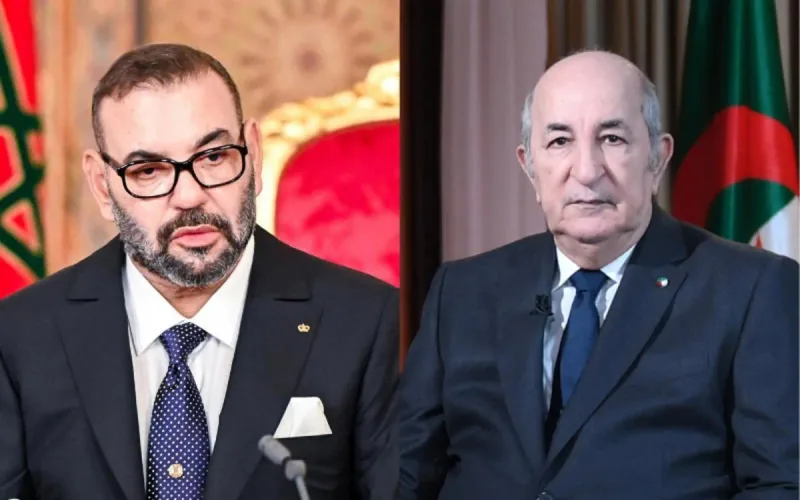
To recall, Rabat has always maintained an open-handed approach towards Algeria. This policy of openness has been expressed on several occasions by King Mohammed VI. In his speech delivered at the end of October, following the adoption of the UN resolution on the Sahara validating the autonomy plan proposed by Morocco since 2007, the Alaouite monarch called "his brother, His Excellency President Abdelmadjid Tebboune, to a fraternal and sincere dialogue between Morocco and Algeria, in order to overcome the differences and build new relations based on trust, ties of brotherhood and good neighborliness. We also reaffirm our commitment to continue working towards the revitalization of the Arab Maghreb Union, on the basis of mutual respect, cooperation and complementarity between its five States."