US Pushes Moroccan-Algerian Reconciliation, Reshaping North African Geopolitics
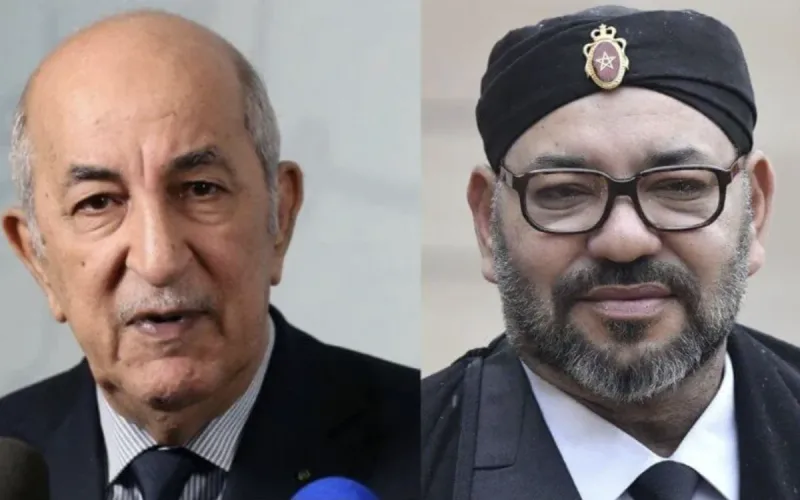
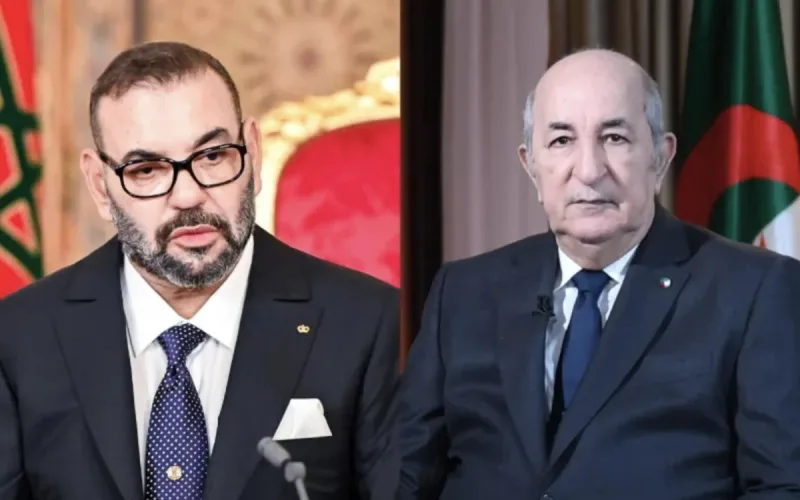
Washington is intensifying diplomatic pressure to reconcile Morocco and Algeria within a two-month timeframe. This American initiative, which aims to create a strategic partnership between the two neighbors, remains conditional on major concessions from Algiers and Rabat, particularly on the Sahara issue.
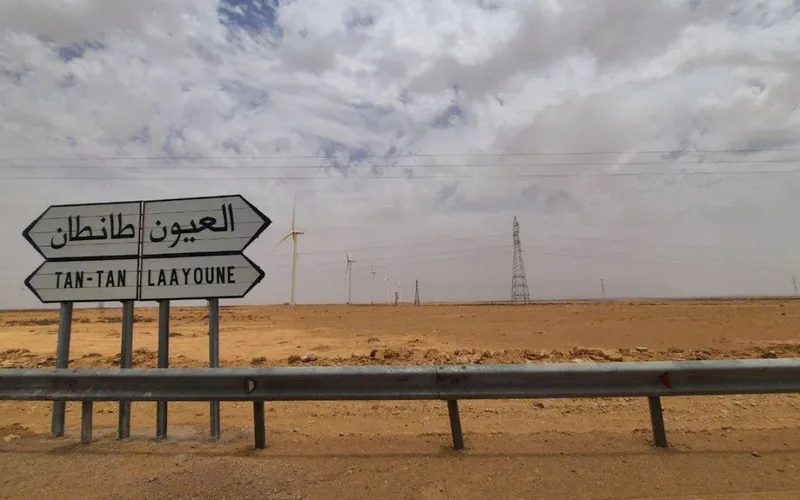
The American efforts to bring Morocco and Algeria closer together are at the center of diplomatic news. According to American sources, Washington wants to act seriously to end the crisis between the two countries. This approach is based on the position of the United States, which supports the Moroccan autonomy plan for the Sahara, considered the most "serious, realistic and credible" solution to resolve this dispute. The growing support of the international community for the Moroccan proposal seems to be forcing Algeria to adapt to this new reality.
Khalid Yaymout, a researcher in strategic and African affairs, explains that these efforts are not just a simple regional initiative. In a statement to Al3omk, he specifies that "the world is experiencing a transition from a unipolar system to a confrontation between Eastern (Russia and China) and Western (NATO) poles, which increases the need for the great powers to ensure security and stability in vital geostrategic areas". According to him, the action of the United States is part of a close coordination with NATO, as the stability of the region has become a strategic necessity in the face of the growing influence of the West’s rivals.
The researcher emphasizes that Morocco has redefined the geopolitical map of the region thanks to major initiatives, the most striking of which is the Atlantic initiative. The latter offers the landlocked countries of the Sahel vital maritime access, paving the way for the exploitation of their promising economic resources, essential for the global technology economy. For Yaymout, it is not a simple reconciliation, but a real geopolitical and economic partnership between Rabat and Algiers. He believes that the great powers need reliable "regional anchoring points", a role that the two countries can play together, generating immense economic opportunities with major gains for both states.
For Morocco, the essential and non-negotiable condition is that any agreement include a real and complete recognition of its sovereignty over its southern provinces. In return, Algeria’s geopolitical claim is to obtain access to the Atlantic Ocean, which can be achieved within the framework of international law and world trade through negotiations. However, the realization of this vision remains conditional on the existence of a "strategic awareness" within the ruling elites of the two countries regarding the overall strategy of the great powers, and in particular of NATO.
The success of the American efforts will depend on the willingness of the two parties to meet their respective demands. Washington’s bet is based on the idea that common interests in the face of international challenges can outweigh the calculations linked to a historical conflict that has lasted for decades. The question remains whether Rabat and Algiers are ready to take this step within the very short timeframe of two months, as mentioned by the American diplomatic sources.