Study: Moroccan Youth Exposed to Harmful Sexual Education Through Media
Moroccan youth are engaged in a kind of harmful sexual education and an imperfect representation of relationships in sex films. This is revealed by a study devoted to the perception of Moroccan youth on several concepts, including sex education.
The report of this study entitled "Towards sexual education: Moroccan youth’s perception between globality and islam" indicates that the perceptions of young Moroccans on sexuality are shaped through discourses of immorality within Moroccan culture and cultural forms introduced by the media and the internet.
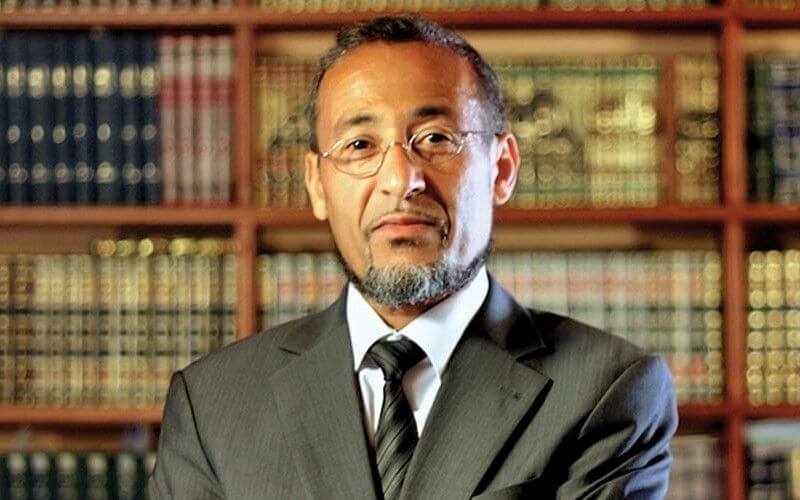
The author of this publication, Rachid Benharrousse, is a researcher at the Center for Moroccan Cultural Studies at the University of Sidi Mohamed Ben Abdellah in Fez. He argues that "globalization shapes sex education, in the sense that the positive perception of sex education is due to globality, since the young person identifies with the Western culture of which he is a witness in the media and on the Internet, and this leads to a desire to live sexual relationships outside of marriage".
It therefore appears essential the role that schools must play in terms of sex education. Only obstacle: "neither the young people nor the educators are at ease to discuss sexual problems". As a result, "the sexuality of adolescents is therefore entangled in ambiguity and undecidability".
In total, 72 Moroccan young people over the age of 18 were interviewed as part of this research published in the Journal of Contemporary Studies of the Global South. The vast majority seem to understand what sex education means and how it would affect their lives. 86.5% of them said that having a sex education course would be beneficial to them, compared to 9% who felt that sex education is a "cultural parasite likely to destroy the local Moroccan culture".
The young people were also questioned about the links between sex education and religion. 55% of respondents say that religion is not against sex education. "Thanks to the survey, Islam is not the basis of the problem but rather the political interpretations made, since the majority of participants are in favor of the inclusion of sex education [...] ", notes the researcher, deploring that the leaders and young people "seem to have opposing understandings and views", rejoices the researcher.