Spanish-Moroccan man escapes Dutch kidnappers by jumping from moving car
A 37-year-old Spaniard of Moroccan origin endured ten days in captivity in the Netherlands, where he was held and abused. His kidnappers demanded 600,000 euros from his family. His escape during a transfer to Belgium helped dismantle a criminal network specializing in abductions.
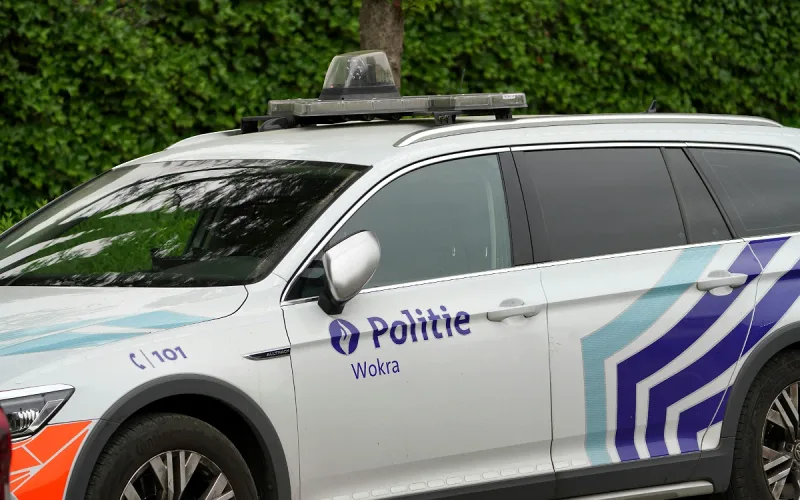
On February 24, after around ten days in captivity, the man managed to escape his kidnappers by jumping from a moving car. He slid down an embankment before reaching a gas station in Lokeren, Belgium, where he asked for help. His testimony enabled investigators to trace the case to a criminal organization operating in several European countries.
It all began on February 15, when the man, a Spanish national of Moroccan origin, according to Dutch magazine Panorama, was kidnapped. His relatives alerted Spanish police after receiving videos showing him tied up, beaten and abused. His kidnappers demanded 600,000 euros for his release. They held him responsible for the disappearance of 500 kilos of cocaine during a shipment between Spain and the Netherlands.
The prisoner was taken to a building in Rotterdam housing a self-storage company. Several units had been converted into cells, guarded by armed men. In his account to investigators, he said he found other captives there. One had three phalanges amputated, while another lay unconscious. He himself was regularly beaten and tortured.
A contract-kidnapping network dismantled
After two days in the building, his kidnappers moved him to an apartment in Utrecht, where the abuse continued. Another hostage was also being held there. The Dutch police had already disclosed several details of the abduction in June, including the two places where the victims were held and the vehicles used by the suspects.
The investigation then revealed a particularly well-organized operation. According to the Spanish Interior Ministry, the group offered its services to other criminal networks to carry out kidnappings. Members were paid according to their roles: guards, drivers or torturers. The kidnappers also used encrypted messaging apps to communicate with families.
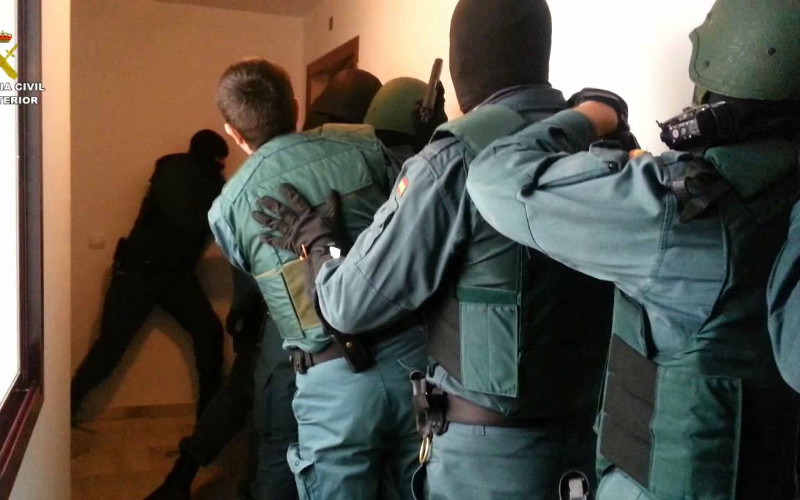
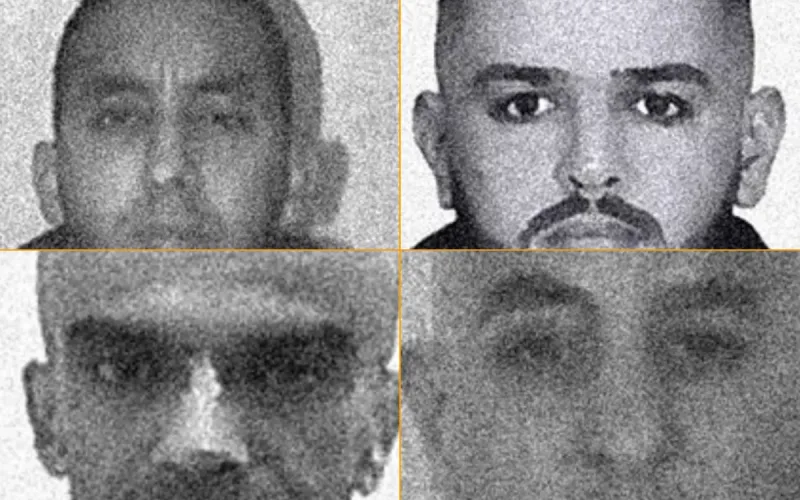
In its report, Spanish police said ten people had been arrested, including seven in the Netherlands and three in Spain. Those detained included the owner of the premises where victims were held and several suspected leaders of the network. Nine people had been remanded in custody. Searches uncovered traces of blood and DNA belonging to the victim, as well as to other people whom investigators are still trying to identify.