Spanish growers cut cherry tomato production as Morocco gains ground
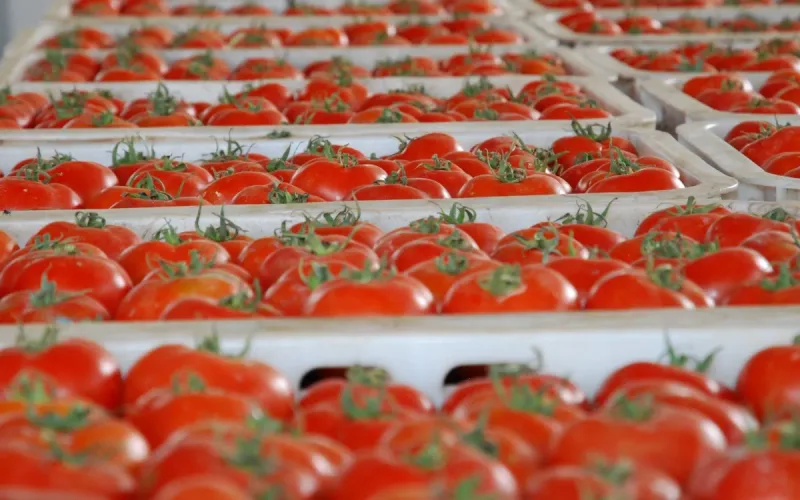
Spanish growers are reducing the acreage devoted to cherry tomatoes, particularly those sold loose. At a meeting in Brussels, their representatives directly blamed Moroccan competition and its lower prices. A new study of the European market confirms Morocco’s considerable weight in the sector.
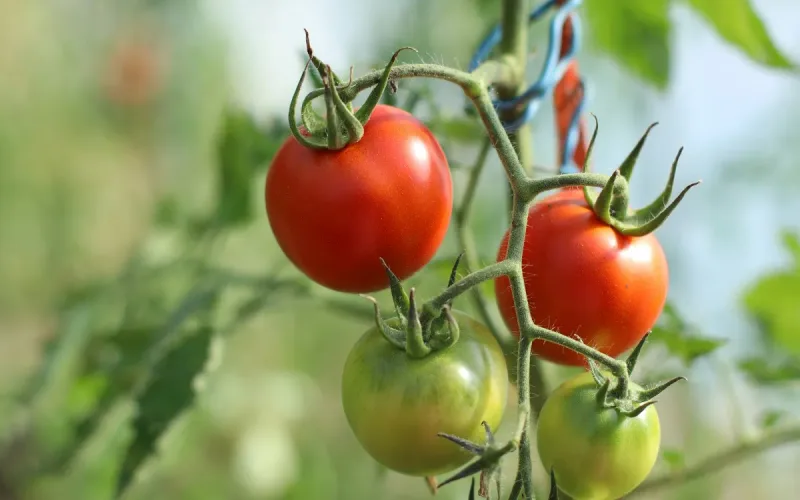
Moroccan cherry tomatoes continue to disrupt Spanish growers. At a meeting held on 15 October in Brussels by the European Commission’s expert group on the tomato market, the Spanish delegation reported a decline in the area cultivated with cherry tomatoes. The drop is particularly pronounced for varieties sold loose, according to a report published on 19 October by Spanish federation FEPEX.
On Bladi.net : Tomatoes: why Morocco is winning the price war against Spain
Spanish representatives attribute this trend to competition from Morocco. They specifically denounce differences in labor costs and production rules between the two countries. Lower prices for Moroccan tomatoes are also putting direct pressure on prices for cherry tomatoes grown in Spain.
These difficulties are compounded by another rise in costs. The Spanish delegation reported energy and transport costs 16% above what it considers normal conditions. For plastics, packaging and packing, the increase reaches 18%. Despite improved selling prices during the season, farmers say their profitability has not increased by the same amount.
Morocco supplies more than two out of every three imported tomatoes
Figures presented in Brussels confirm Morocco’s position in the European market. In 2025, the European Union imported 773,000 tonnes of fresh tomatoes from countries outside the EU. Morocco supplied 527,000 tonnes, or 68.2% of the total.
These volumes cover all fresh tomatoes, not just cherry tomatoes. Nevertheless, they illustrate the importance Morocco has assumed in supplying Europe, in competition with Spanish growers, who are particularly exposed to this rivalry in export markets.
On Bladi.net : Morocco tomato exports surge, Spain loses market share
The situation is also becoming more difficult for agriculture. In the 2025-2026 season, Spanish tomato production is expected to fall by about 2%, while the area under cultivation remains broadly stable. Spanish representatives cited the use of virus-resistant but less productive varieties, plant health problems and poor weather conditions.
The difficulties extend beyond Spain’s borders. At the meeting, representatives from Belgium, the Netherlands and Poland also discussed the effects of high temperatures, rainfall and energy costs on their farms.
According to the outlook presented in Brussels, Spanish production could fall by a further 1.2% by 2035, amid international competition, high costs and difficulties recruiting agricultural workers.