Spanish Court Upholds Convictions in Barcelona Terror Case, Rejects New DNA Analysis
The appeals chamber of the National Court has ruled that it is not necessary to carry out a new analysis of the remains of Imam Abdelbaki Es Satty, before confirming the sentences of 53, 46 and 8 years in prison imposed on the accused Mohamed Houli Chemial, Driss Oukabir and Said Ben Iazza.
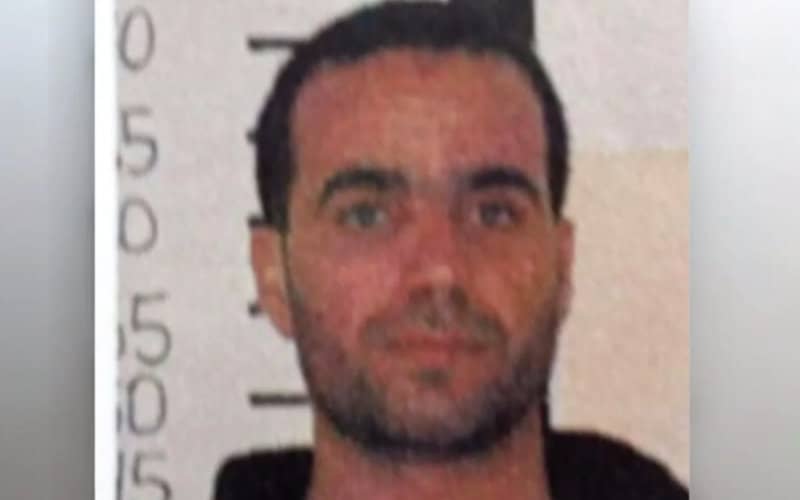
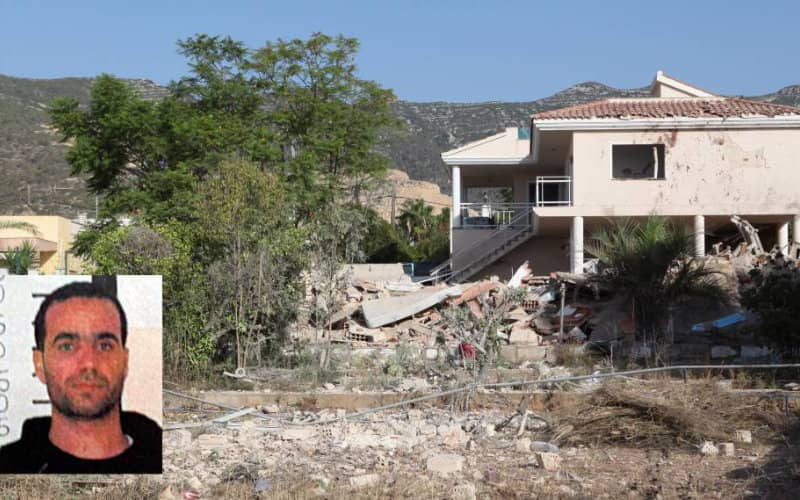
The court dismissed the need to produce new evidence related to Es Satty’s death, especially since a "thorough analysis" has already been carried out by the National Institute of Toxicology and Forensic Medicine in Barcelona "based on the remains found in Alcanar". Remains that were compared to the fingerprints taken from his home, according to EFE.
The remains of Es Satty were also sent to Morocco to be compared to those of his mother, brother and daughter. The forensic analysis carried out by two Moroccan experts confirmed the existence of links between these remains of Es Satty and his relatives. The absence of the Moroccan experts at the trial, for reasons of health crisis, does not detract from the validity of their conclusions.
In any case, the court ruled that it would not revisit the sentences imposed on the two members of the terrorist network and their collaborator, even if Es Satty was still alive. The only consequence, if applicable, would be the opening of a new trial.