Spain NATO allies Morocco conflict uncertainty
The Iberian press is buzzing about an unlikely but feared scenario: war against Morocco. Faced with this hypothesis, observers doubt NATO’s automatic intervention to protect all Spanish territory.
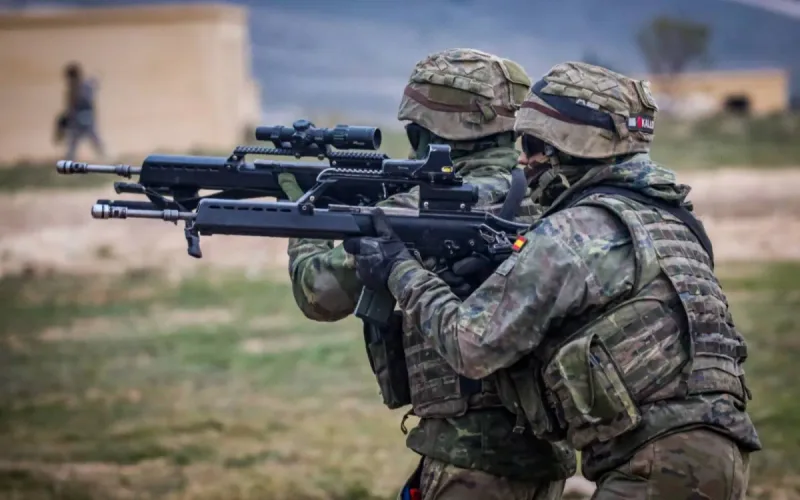
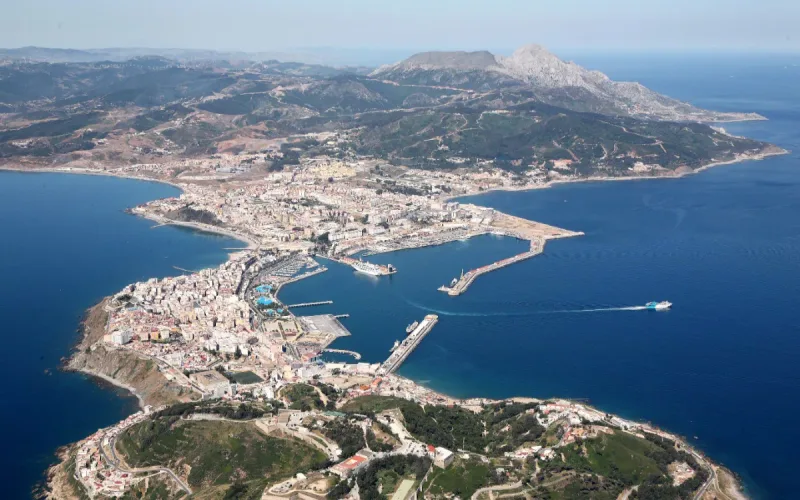
The hypothesis of military confrontation with Rabat is stirring media and diplomats on the other side of the strait. In an analysis provided by La Razón, the newspaper recalls that NATO’s umbrella has a major geographic flaw. While Article 5 guarantees collective defense, Article 6 explicitly excludes the enclaves of Ceuta and Melilla. An aggression on these North African territories would require an uncertain political vote from the Atlantic Council, whereas an attack targeting the Canary Islands, the Balearic Islands, or the peninsula would trigger an immediate and mandatory response.
On Bladi.net : Ceuta and Melilla soon Moroccan? Spanish press sounds the alarm
Beyond legal texts, European solidarity would depend on strategic calculation. The United States, keen to preserve its Andalusian naval bases, and the United Kingdom, committed to security of the Strait of Gibraltar, would monitor the area closely. For its part, France would seek a complex balance between its privileged relations with Rabat and its migration cooperation with Madrid. Other partners like Portugal, Italy, or Germany would prioritize regional security against criminal networks. However, international aid would potentially be limited to intelligence or logistics, with no ground troops deployed. Ironically, the most forthright reinforcement could come from Eastern European countries.
On Bladi.net : Ceuta and Melilla without protection? Why NATO could let Morocco act without intervening!
This fluctuating alliance game awakens a persistent anxiety in the country. Political scientist Santiago Armesilla recalls in a podcast that Spain’s military history is marked by struggles conducted in great isolation, from the War of Independence to the last century. The expert warns that in case of crisis with the Moroccan neighbor, foreign aid would be neither total nor instantaneous. A bitter observation that leads him to a clear conclusion: "history demonstrates that Spain is accustomed to defending itself with those who want to help it, and not with those who should."