Ceuta and Melilla without protection? Why NATO could let Morocco act without intervening!
Faced with diplomatic pressures and military uncertainties, the protection of the Spanish enclaves in Morocco is becoming a major European issue. If NATO remains ambiguous about its intervention, the European Union has territorial solidarity clauses for its Member States.
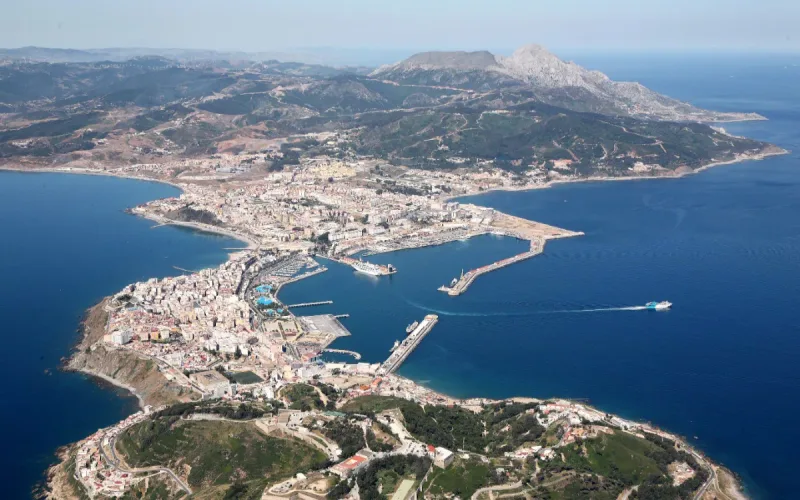
Diplomatic tension is rising around Ceuta and Melilla, fueled by the expansionist ambitions of the "Greater Morocco". While relations between Madrid and Rabat have calmed down since Spain recognized the autonomy plan for the Sahara as the "basis for negotiations", the Moroccan project to integrate the enclaves remains on the agenda. According to Infobae, this pressure is now being relayed by some political voices in the United States, while Morocco has already sent an official note to the European Commission to reaffirm its sovereignty over these territories.
On Bladi.net: In Spain, the specter of a Moroccan assault on Sebta and Melilla
The recourse to NATO in the event of a military crisis raises major legal questions. Article 5 of the Alliance’s treaty limits collective defense to territories located in Europe or North America. Geographically located in Africa, the cities of Ceuta and Melilla are not explicitly protected in the organization’s texts. This regulatory void, coupled with a growing proximity between Washington and Rabat on territorial issues, undermines the guarantee of automatic allied intervention in the event of aggression.
The European Union offers a more direct alternative through Article 42.7 of its mutual defense treaty. This clause requires Member States to assist a partner victim of an armed attack by all means at their disposal. Unlike NATO texts, this mechanism does not provide for any geographical restriction and covers the entire Spanish territory, including its African possessions. Nevertheless, the type of support provided remains at the discretion of each capital, leaving doubt about the extent of a common military response.
On Bladi.net: Morocco, "the biggest threat" to Spain
For Andrius Kubilius, European Commissioner for Defense, an update of these rules has become imperative in the face of new geopolitical threats. He points out that the current wording of the solidarity clause lacks clarity to ensure a coordinated and robust reaction. While the Spanish Minister of Foreign Affairs, José Manuel Albares, officially minimizes the risks of Moroccan mobilization, European authorities are studying ways to strengthen these mechanisms to definitively secure the southern borders of the Union.