Spain: Madrid's gift to 500,000 undocumented immigrants enrages the European Union
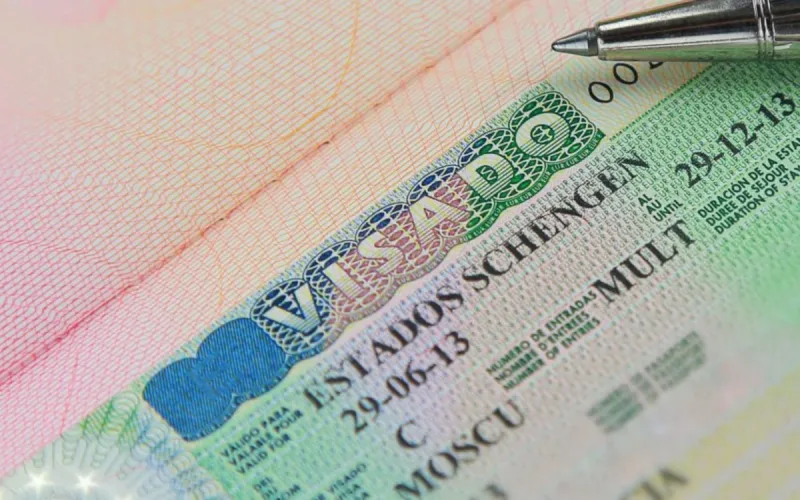
The European Union has expressed serious reservations about Spain’s plan to regularize nearly 500,000 undocumented immigrants, fearing a contradiction with its policy of firmness on migration and secondary movements within the bloc.

The Spanish government is about to validate a decree aimed at offering legal status to half a million foreigners in an irregular situation, a large part of whom are Moroccan nationals. The measure, which targets people who arrived before the end of 2025 and have been residing in the country for at least five months, provides for the granting of a one-year residence and work permit, justified by Madrid by the imperatives of "economic growth and social cohesion".
On Bladi.net: Moroccan consulates stormed in Spain
However, this unilateral initiative is causing friction in Brussels, where officials believe it is "not in line with the spirit of the European Union on migration". The Commission fears that this opening will create a pull effect and allow the beneficiaries to move freely within the Schengen area, thus compromising the collective efforts to discourage illegal immigration.
On Bladi.net: Spain-Morocco: between record requests and massive refusals, the Schengen visa puzzle
Madrid’s approach contrasts sharply with the overall strategy of the bloc, which is currently trying to tighten asylum rules and accelerate returns. The EU is finalizing a list of "safe countries of origin", including Morocco, to facilitate deportations, creating a paradox where Spain is integrating a workforce that Brussels is seeking to send back more effectively.
The file is to be debated in the European Parliament, with Commissioner Magnus Brunner expected to assess the impact of this decision on the free movement area. While regularization remains a national competence, its detractors point to the risk of destabilizing common policies at a time when Europe is trying to harmonize the management of its external borders.