Sahara Stalemate: UN Warns of 'Military Drift' as Diplomatic Efforts Falter
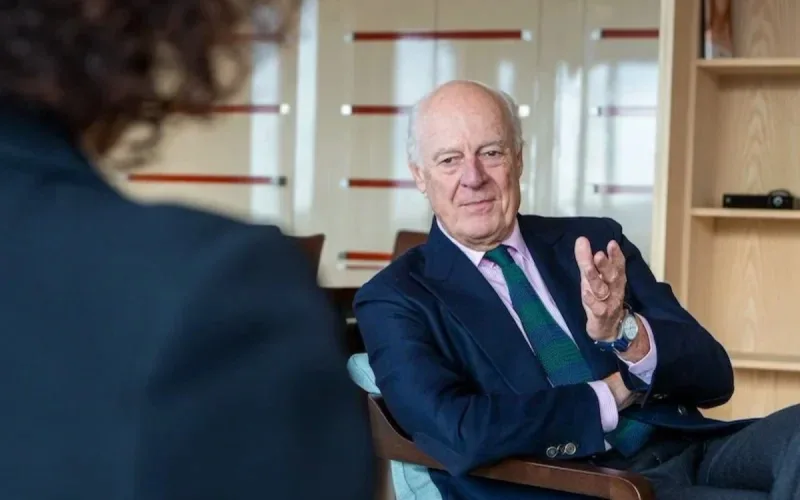
The Sahara file has returned to the center of attention at the UN. The Secretary-General’s Personal Envoy, Staffan de Mistura, warned the Security Council against a "dangerous military drift" if the diplomatic deadlock persisted.
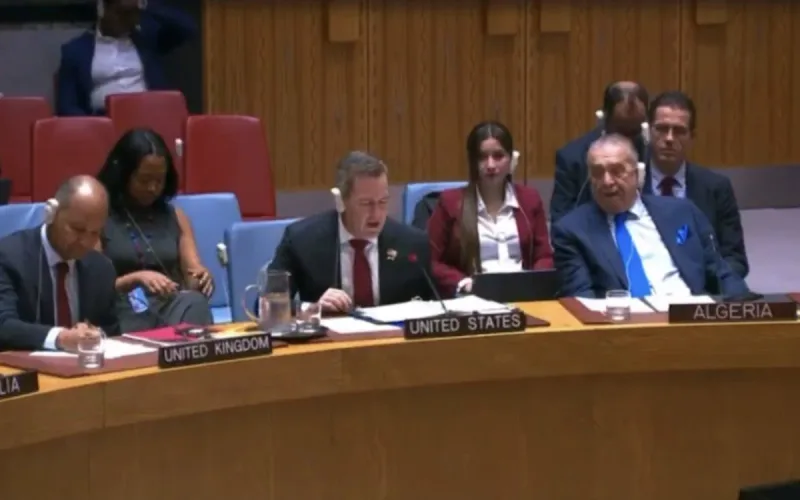
During a closed-door meeting of the Security Council on October 10, Staffan de Mistura warned against a "dangerous military drift" if the current diplomatic deadlock persisted. He stressed that the lack of dialogue could have regional and global consequences, calling for a "change of pace" after half a century of unsuccessful mediation attempts.
According to information reported by the Italian press agency Agenzia Nova, the UN envoy encouraged the launch of a new cycle of direct discussions between Morocco, the Polisario Front, Algeria, and Mauritania by the end of 2025. He insisted on the need for "courageous decisions" based on "realism and compromise".
De Mistura acknowledged that the Moroccan autonomy plan was benefiting from growing international consensus, supported in particular by the United States, France, and the United Kingdom. However, he specified that this proposal required "additional clarifications" and that only the opening of unconditional negotiations would make it possible to break the deadlock. He thus asked Morocco to provide more details on its plan in writing, and Algeria to encourage the Polisario to prioritize the political path.
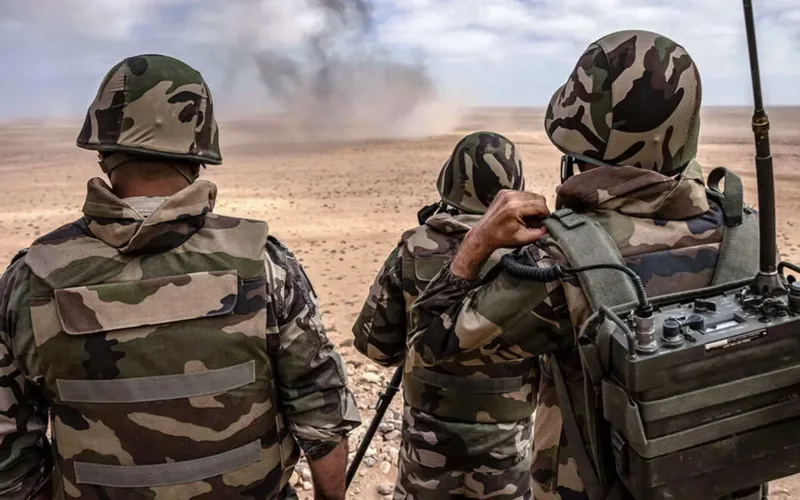
The envoy also emphasized the essential role of Mauritania and the potential influence of the United States, the United Kingdom, France, Russia, and Spain in the search for a solution. He stressed the danger of letting the current momentum subside, pointing to the persistent tensions between Rabat and Algiers and an arms race deemed worrying, with sharply rising military budgets on both sides.
As the vote on the renewal of the MINURSO mandate approaches at the end of October, Staffan de Mistura called on the Security Council to adopt a strong resolution, clearly indicating the need to engage in new negotiations and reaffirming the role of the UN mission on the ground. He concluded by presenting the fiftieth anniversary of the conflict as a "turning point", urging the parties to choose the path of dialogue to avoid "definitively losing the possibility of a peaceful solution".