Rising Sea Levels Threaten Major Moroccan Coastal Cities, Climate Report Warns
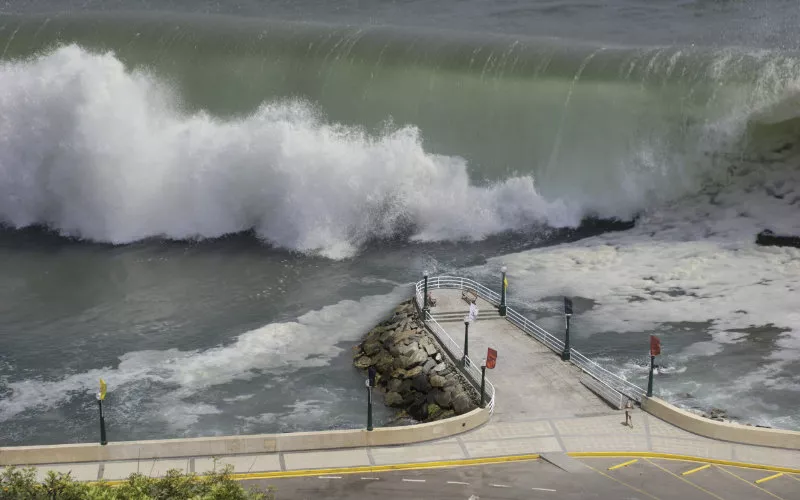
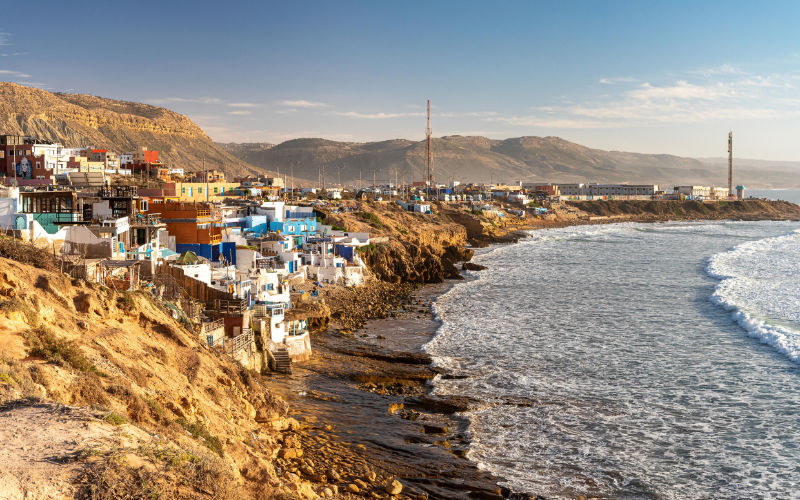
The Directorate General of Meteorology (DGM) has just provided explanations on the statements of the World Meteorological Organization (WMO) according to which the main Moroccan coastal cities, such as Casablanca, Tangier or Agadir, are threatened by the rise in sea levels, coastal erosion and land submersion, particularly during violent storms.
Speaking on these statements recorded in a recent report entitled "State of Climate in Africa 2023" to the H24info site, the Directorate General of Meteorology (DGM) said that international institutions often warn against the risk of rising sea levels and its potential consequences on coastal cities around the world in the future, particularly in low-lying areas. This warning is based on data showing a continuous increase in sea levels due to climate change, a phenomenon that leads to the melting of ice and the rise in temperatures, thus causing the expansion of ocean waters, specifies the DGM.
The DGM wants to clarify: "For Morocco, although a rise has been observed, it remains lower than the global average. The 2023 Africa Climate Report on page 11 indicates that the sea level around the African continent is experiencing a general rise, but variable by region, between January 1993 and June 2024. The average rise in sea level worldwide is around 3.4 mm/year, some areas exceeding this average, while others, such as the southern Mediterranean, show lower rates".
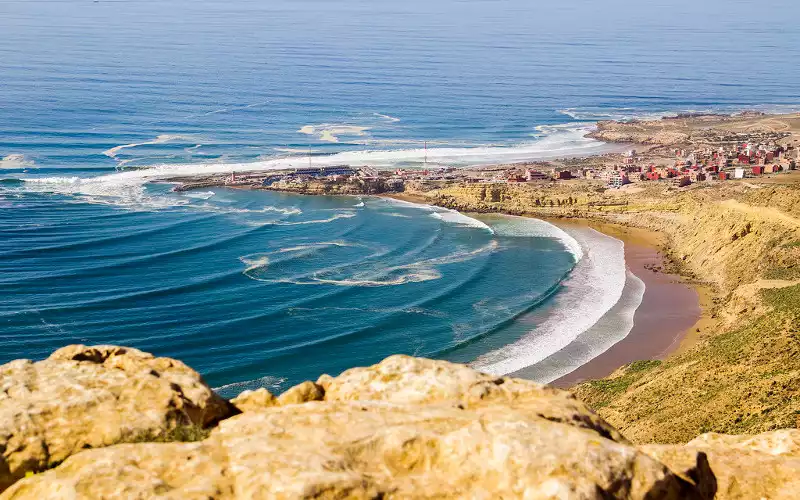
Morocco with its Atlantic and Mediterranean coasts, records different rates of rise, the same source said, specifying that the Atlantic coast has a rise rate lower than 3.4 mm/year, a rate close to the global average, while the Mediterranean coast records a lower rise rate, at 2.8 mm/year, indicating a less significant increase in sea level compared to the global average. As for the sea level, it is increasing due to the melting of polar ice and the thermal expansion of waters due to climate change, the DGM also explains, noting that this rise represents a future threat to coastal cities and low-lying areas, especially if warming accelerates, leading to coastal flooding, beach erosion and salinization of groundwater.
"To meet these challenges, global efforts are needed to reduce carbon emissions and promote preventive measures as well as infrastructure capable of withstanding climate change," the DGM added.
It should be noted that the report published by the WMO does not specifically concern specific Moroccan cities. This report is general.