Olive oil: a Spanish giant threatens to relocate production to Morocco
The world’s largest producer of olive oil, Dcoop, has issued a stern warning to the Spanish authorities. The group’s president, Antonio Luque, has warned that if the water crisis persists in Spain due to "poor management", production will eventually be relocated across the strait, to Morocco.
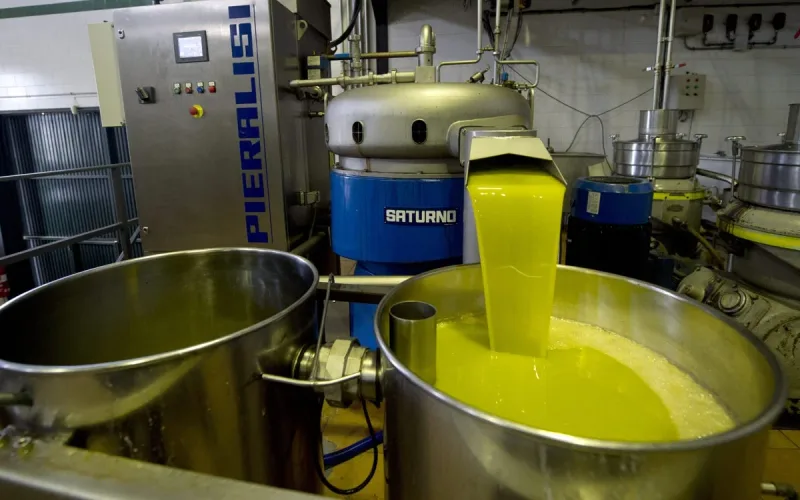
Mr. Luque said that the water problem in Spain is not its absence, but its management, lamenting that talking about dams or water transfers has become a "taboo". He contrasted this situation with Morocco’s strategy, which is actively building dams and desalination plants to develop its agro-industry, often with financial support from the European Union, as reported in the newspaper La Razòn.
"I don’t understand how significant European investments in North Africa contribute to moving production from here to over there," he warned. He predicted that if the EU did not change its attitude, the scenario already experienced with tomatoes would be repeated for the olive tree, leading to the desertification of certain Spanish olive-growing areas.
According to Mr. Luque, this water shortage will keep the next harvest at a low level, similar to last year’s (1.4 million tons). However, prices should remain stable.
Dcoop is betting on the American market for its growth
Faced with these difficulties on the European production front, Dcoop is strategically turning to the United States to ensure its future growth. The group, which already owns 50% of the American company Pompeian, is actively seeking to acquire the entire company, which controls 20% of the American extra virgin olive oil market.
Antonio Luque explained that the conclusion of this agreement would represent an "important leap" for the group’s balance sheet, potentially adding 300 million euros in revenue. The United States represents a strategic market, with a consumption of 400 million liters, approaching that of Spain and Italy. The leader specified that the tariffs imposed by the Trump administration had not slowed down sales, as the sharp drop in oil prices had largely offset the impact of the taxes.