Olive Oil Fraud Threatens Morocco's Agricultural Economy
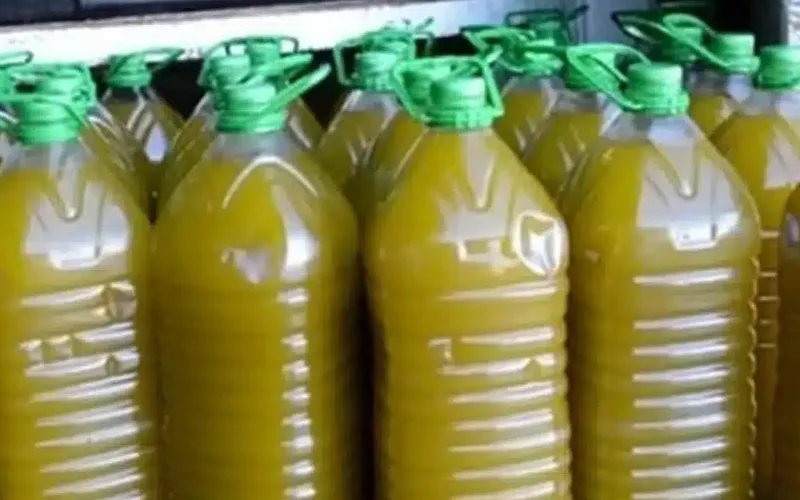
Consumer protection associations are alarmed by the proliferation of illegal practices involving the marketing of suspect olive oil, stored in unsanitary conditions each year.
In the eyes of Ahmed Bayoud, founding president of the association "Avec les consommateurs", it is urgent to implement strict control over olive oil mills in the different regions of the kingdom, in order to guarantee the quality of olive oil and protect consumers from the fraudulent practices that are repeated at the beginning of each harvest and pressing season. "This vital sector, considered one of the pillars of the national agricultural economy, needs clear governance and effective oversight to strengthen confidence in the local product and preserve the reputation of Moroccan olive oil on domestic and international markets," he explains to Hespress.
Bayoud proposes to "list all traditional oil mills and support them by establishing a periodic database allowing the authorities concerned to monitor production operations and verify the origin of the olives and the quality of the extracted oils." He explains that tracking the oil’s journey from tree to bottle is an essential step in limiting fraud, particularly in cases of mixing olive oil with lower quality oils or using substances that do not meet health standards.
It is also necessary to "monitor the waste resulting from the olive pressing process and ensure that it is disposed of in accordance with the applicable environmental conditions and regulations, in order to avoid soil and groundwater pollution, and to prevent its suspicious use in the production of adulterated or unfit-for-consumption oils," he adds, calling for "close cooperation between local authorities, environmental services and civil society associations to organize control and awareness campaigns combining deterrence and information."
The vice-president of the Moroccan Federation for Consumer Protection reinforces: "There are bad practices that are beginning to emerge regarding the mixing of table oil with olive oil, a phenomenon that poses a direct danger to the consumer’s health and seriously undermines citizens’ confidence in the national product." For him, the role of preventive control is necessary and essential at this stage, but the responsibility cannot lie solely with the authorities. He explains that the consumer also bears some responsibility when they buy oil in front of a mosque, on the side of the road or in places that do not meet the conditions of control and quality.
"Before the start of the olive harvest season, awareness campaigns and on-site inspections of oil mills must be intensified, ensuring the cleanliness of the equipment used for extraction, storage and crushing, as any negligence at this stage can harm the quality of the oil," he suggested, calling for the involvement of the various stakeholders in this process. He cites local authorities, professional associations, consumer protection federations and the Ministry of Agriculture. He also believes that the National Office of Food Safety should also open up to the control of small and medium-sized oil mills, as part of the expansion of this institution’s powers and the strengthening of consumer confidence in the product before it is placed on the market.