OCP Achieves African First
Morocco’s fertilizer leader (OCP) has completed a hybrid bond issuance of 1.5 billion dollars. An African first that demonstrates the group’s attractiveness, despite a global market heavily disrupted by recent geopolitical and logistical crises.

This dollar-denominated transaction marks the reopening of the primary bond market in the Middle East and North Africa region, paralyzed for more than a month. Divided into two tranches maturing in 2031 and 2036, the operation led by BNP Paribas, Citi and JPMorgan generated massive enthusiasm. Demand reached nearly 7 billion dollars, representing an oversubscription of 4.6 times the initial amount, attracting 176 investors from 23 different countries.
On Bladi.net : The Moroccan giant OCP is not affected by the crisis
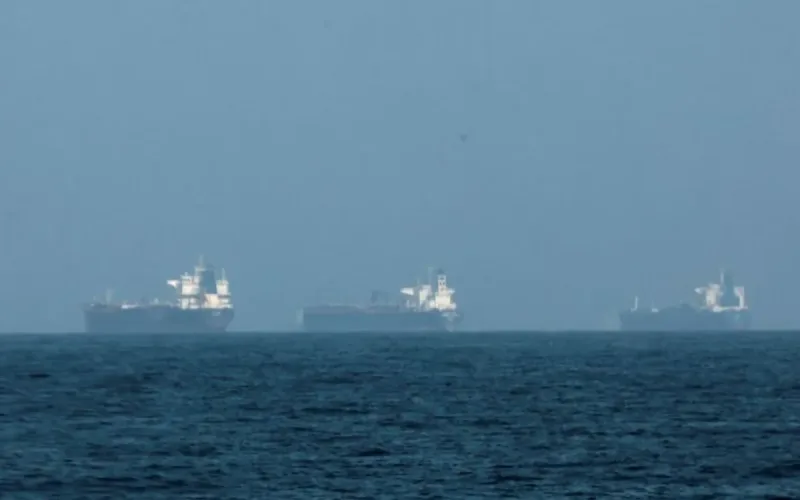
This financial success comes amid severe tension over global agricultural input supplies. According to an internal document reviewed by Reuters, the closure of the Strait of Hormuz triggered a 35% surge in sulfur prices in the Middle East in April. To this crisis linked to the Iranian conflict are added strict export restrictions imposed by China, further complicating access to this essential component.
Facing this situation, the state-owned company has secured its sulfur stocks through the end of June by diversifying its supply sources, from Europe to Canada via the Red Sea. Most importantly, management is adjusting its industrial strategy by prioritizing the manufacture of triple superphosphate (TSP). This product requires less sulfur and does without ammonia unlike diammonium phosphate, which should increase its production share to "more than 50% in 2026," compared to 30% the previous year.
On Bladi.net : The blockade of the Strait of Hormuz threatens Moroccan agriculture
The phosphate group, which has seen its production capacity increase from 3 million tons in 2008 to 16 million tons in 2025, is skillfully managing its schedule. To adapt to high raw material costs, maintenance operations initially planned for the second half have been moved up to the second quarter. This tactical adjustment will temporarily result in a 30% drop in production for this industry giant.