The myth of the "Great Morocco" worries Spain
The warning from the Polisario Front to Spain awakens old geopolitical demons. By evoking a possible threat to the Canary Islands, the Sahrawi separatists are highlighting the expansionist doctrine of the "Great Morocco", born in the 1920s and which continues to shape, in the background, the relations between Rabat and Madrid.
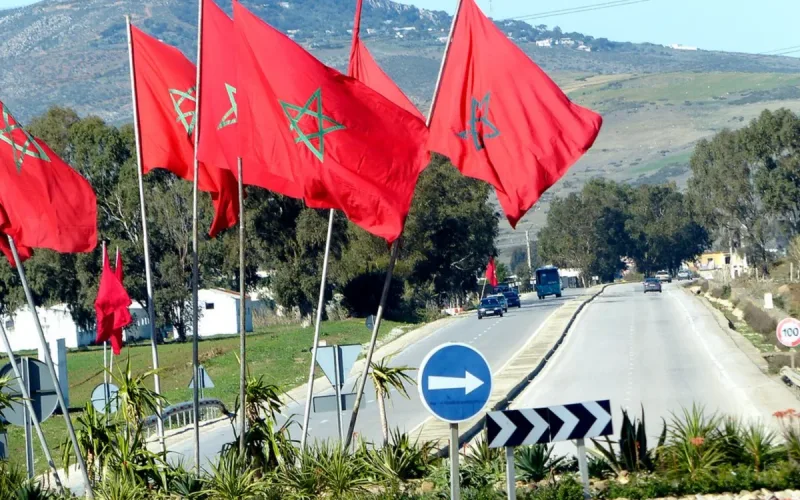
It’s a small sentence that has the effect of a diplomatic bomb. Last Wednesday, the Polisario Front issued an unequivocal warning to Spain: "Once they have consolidated the occupation of Western Sahara, the next step will be the Canaries." For the separatists, if Madrid does not put an end to the Moroccan agenda, the territorial appetite of the southern neighbor could soon overflow onto the Spanish archipelago. This anxiety-provoking statement does not come out of nowhere; it is rooted in a historical doctrine, that of the "Great Morocco", which advocates a radical readjustment of borders to reconstitute the influence of the dynasties of yesteryear, explains 20minutos.
To grasp the scope of this claim, we need to rewind the thread of history and break the immediate chronology. Long before the current tensions, as early as the 1920s, the thesis of the "Great Morocco" germinated in the mind of Allal El Fassi, founder of the Istiqlal Party (Independence). In the midst of the interwar period, while Europe had its back turned, this nationalist current dreamed of restoring the glory of the Marinid sultanate and the Almohad Empire. Drawing on Salafism and Pan-Arabism, this ideology claims the annexation of a vast territory encompassing the Sahara, Mauritania, western Algeria, northern Mali, as well as the enclaves of Ceuta and Melilla.
This vision did not remain a mere pipe dream. It experienced its most spectacular implementation in November 1975, with the Green March. Taking advantage of the political chaos linked to the end of Francoism, King Hassan II had then sent 350,000 civilians to cross the border, forcing Spain to abandon the Sahara.
While the threat to the Canaries is waved like a red rag by opponents of Morocco, the historical reality is more nuanced. Certainly, some currents include the islands in their claims, but the official map of the Istiqlal Party in 1956 did not envisage it. Moreover, as early as 1978, Rabat had refused to recognize the Canarian separatist movement (MPAIAC) during a meeting of the Organization of African Unity, thus aligning itself with Spanish sovereignty. Yet the subject remains electric in Madrid.
While Pedro Sánchez is drawing closer to Moroccan positions, dissonant voices like that of Yolanda Díaz are rising to demand that we "not cede an inch of land", proving that the shadow of the "Great Morocco" still hovers over Spanish diplomacy.