MRE: These 5 tax benefits that you are missing out on without knowing it
The Moroccan tax system incorporates specific mechanisms designed to alleviate the burden of Moroccans Residing Abroad. Although some are known, several optimization levers remain underutilized, whether it is in real estate management, retirement, or wealth transfer.
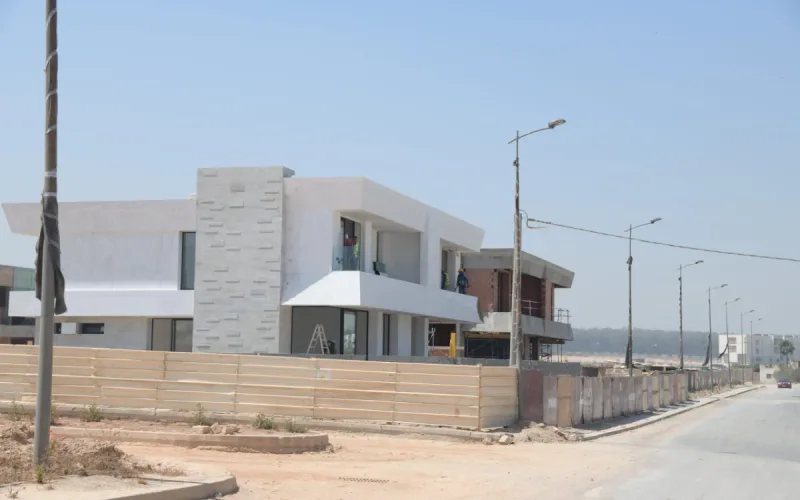
1. Reduction of the housing tax for the main residence
Property owners who maintain a home in Morocco as their main residence benefit from a 75% deduction on the rental value used as the basis for calculating the housing tax. This mechanism is not limited to personal occupancy: it remains applicable if the property is occupied free of charge by the owner’s spouse, children, or parents.
2. A preferential regime for foreign retirement pensions
For retired MREs, the permanent transfer of their pension to a non-convertible dirham account in Morocco entitles them to an 80% tax reduction. In addition, a flat-rate deduction is applied to the gross amount: it is 70% for the portion up to 168,000 dirhams per year, and 40% for the surplus.
3. Tax exemption for new constructions
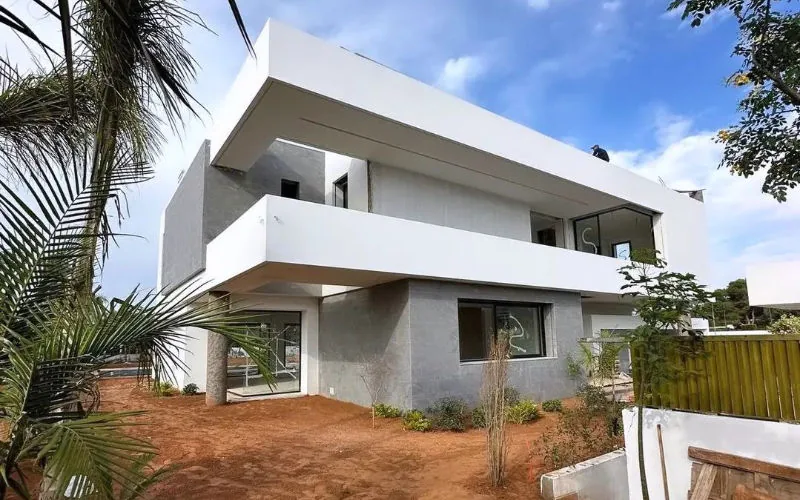
Investment in real estate benefits from an incentive measure for the completion of works. Any new construction intended for the main residence is exempt from the housing tax for a period of five years. This exemption period begins the year following the completion of the house.
4. Reduced fees for family donations
The transfer of property between close relatives benefits from a favorable tax framework with a registration rate set at only 1.5%. This reduced rate applies to donations made in direct line - from parents to children or vice versa - as well as between spouses, between siblings, or within the framework of the kafala procedure.
5. Exemption from social contribution for moderate areas
Construction projects for a main residence can be exempt from the social solidarity contribution. However, this exemption is conditional on the size of the project: it only concerns dwellings whose total area does not exceed the threshold of 300 m². Beyond this limit, the levy becomes mandatory.