
Morocco World Cup 2030 Economic Revolution Launchpad
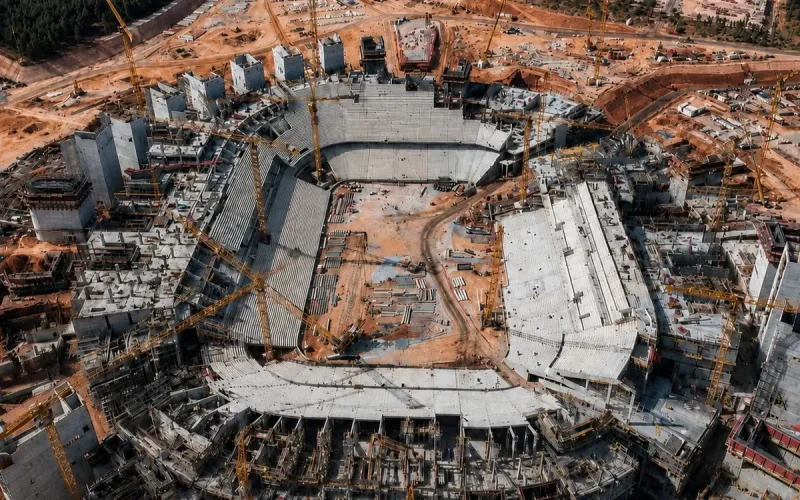
Organizing the 2030 World Cup with Spain and Portugal goes far beyond sport for Morocco. The country is ambitious about a genuine economic, ecological, and infrastructural revolution to redefine its place on the international stage.
This co-organization resembles an "association of equal partners," closely linking the Iberian Peninsula and the African continent. According to El Debate, this diplomatic and sporting synergy aims above all to connect societies and generate employment on both sides of the Strait of Gibraltar. Portuguese Ambassador Luis Faro Ramos confirms this shared commitment to demonstrate that joint and sustainable growth between Europe and Africa is achievable today.
On Bladi.net : Morocco Invests $5 Billion in Preparations for 2030 World Cup Co-Hosting
To guarantee the event’s success, major infrastructure is being built. The future Grand Stadium of Benslimane, on the outskirts of Casablanca, will offer 115,000 seats with the clear ambition to host the competition final. Authorities are also deploying a "mobility corridor," including the extension of the high-speed rail line to Marrakech as well as the overhaul of international airports to streamline the movement of millions of expected visitors.
The anticipated macroeconomic returns transcend the four weeks of competition. Adib Benbrahim, Secretary of State for Housing, clarifies that this global tournament acts as a powerful "accelerator of the country’s ambition." Initial estimates anticipate the creation of hundreds of thousands of jobs, while promoting the sustainable integration of small and medium-sized enterprises into the national economic fabric.
On Bladi.net : The jackpot for Morocco: €1.5 billion collected thanks to the AFCON
Finally, environmental requirements dictate the progress of these titanic preparations. Authorities formally commit to achieving carbon neutrality throughout the entire tournament. This strict green transition will rely on powering sports complexes with renewable energy and will impose circular management of water resources, making irrigation of facilities with treated wastewater mandatory.
Related Articles
-
2030 World Cup Final: Spain openly puts pressure on Morocco
20 September 2026
-

Ebnoutalib turns his back on Morocco, Ouahbi responds sharply
17 September 2026
-

Spain wants to avoid another Lamine Yamal case with this Moroccan Barça gem
17 September 2026
-

Sofyan Amrabat refuses to play for Morocco, Ouahbi responds: “The past grants no privileges”
17 September 2026
-

Dutch football mourns Ahmed Ammi, born in Morocco and dead at 45
16 September 2026