
Morocco: Why you should be wary of olive oil sold on the street
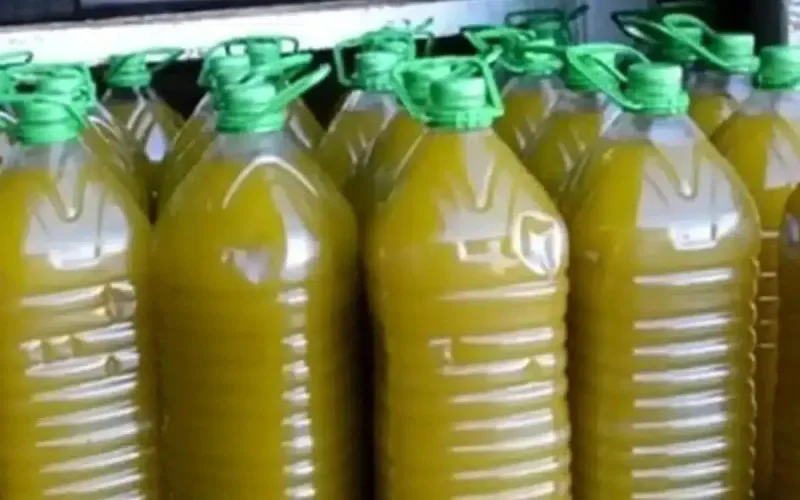
As the olive harvest campaign is in full swing in Morocco, stalls are filling up with unlabeled and untraceable bottles of oil. This anarchic proliferation is of great concern to consumer associations, who point to major health risks and call on the authorities to outright ban informal sales.
The olive season brings back to the forefront each year a crucial debate for public health: the quality of oil sold outside official channels. In recent weeks, street vendors and neighborhood grocery stores have seen a surge in stocks of olive oil with no indication of origin, exposing citizens to potentially dangerous products. Reports have already warned of the existence of counterfeit networks, not hesitating to mix olive oil with cheap cooking oils or harmful chemicals to undercut prices.
Faced with this threat, Mohamed Benkaddour, president of the National Federation of Consumer Associations in Morocco, is sounding the alarm. For him, the danger is omnipresent, as the consumer has no way to verify the conditions of harvesting, pressing or storage, nor to know if the olives used contained pesticide residues that will persist in the finished product. He insists that "the time has come to put an end to uncontrolled sales in the informal sector."
The Federation therefore calls for firm action by the National Office of Sanitary Safety of Food Products (ONSSA) and municipal health services. While industrial production is standardized and pressing for personal consumption is an individual responsibility, bulk commercial sales are being singled out. Mr. Benkaddour advocates for zero tolerance: according to him, merchants who sell oil to citizens without certification "simply have no right to exist." He urges the authorities to systematically seize any oil not from approved channels, without even trying to analyze its quality, to stem the scourge of counterfeiting.
Related Articles
-
Fnac Darty entrusts Morocco with part of its marketplaces’ customer service
20 September 2026
-
In Morocco, farmers will henceforth be monitored down to their water pumping
20 September 2026
-

Morocco abandons GMT+1 after eight years: what will change from tonight
20 September 2026
-
An Accident Involving Your Car in Morocco May Prevent You from Leaving the Country
19 September 2026
-
Europe now buys €25.5 billion from Morocco, and agriculture is no longer dominant
19 September 2026