Morocco Unravels Billion-Dirham Customs Fraud by Global Textile Giants
In Morocco, three multinationals suspected of having exploited the temporary admission regime, a tax mechanism intended to encourage industrial exports, to avoid the payment of customs duties and taxes estimated at several billion dirhams, are in the sights of the Administration of Customs and Indirect Taxes (ADII). It has launched a large-scale audit operation.

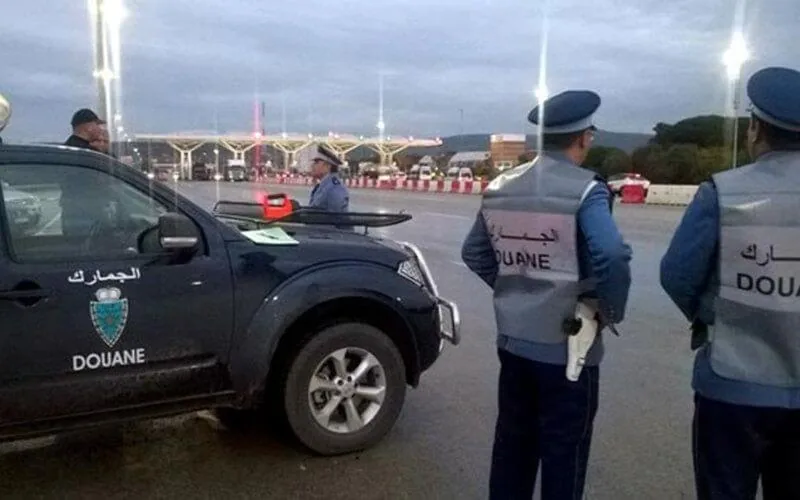
Reports issued by the intelligence and risk analysis services of the administration are at the origin of the audit operation. This investigation has been entrusted to the central control directorate and carried out by the regional brigades of Casablanca and Tanger. The targeted companies are suspected of having declared the importation of large quantities of fabrics intended for local processing before being re-exported to Europe, according to sources at Hespress. It was discovered that a portion of the fabrics would have been used for the manufacture of clothing intended for the Moroccan market, particularly under contracts with local companies.
The companies are suspected of having produced falsified documents, including minutes, cancellation invoices and order rejection statements, in order to justify these discrepancies. They would have claimed that the European customers had rejected the products for non-compliance. Through these maneuvers, these companies kept the fabrics on site without paying customs duties, while simulating cancelled exports. One of them is suspected of having even replaced the imported fabrics with others, locally manufactured and of inferior quality, intended to feed a parallel production circuit.
The "BADR - Automated Customs Database in Network" computer system, the technological arm of the ADII, allowed the control brigades to trace the discrepancies between the declared imports and the actual exports. During searches in several warehouses belonging to local subsidiaries, the agents would have come across tons of fabrics imported on a temporary basis without clear traceability. These subsidiaries may explain that part of the stocks has been damaged, but the investigators do not believe it, the loss rates being precisely framed by the regulations.
The targeted companies are thus accused of customs fraud, forgery in commercial writing and violation of exchange control rules. They risk being subjected to particularly severe financial sanctions, including fines reaching several tens of millions of dirhams for one of the companies concerned.