Morocco’s Tour Drivers May Sleep in Their Vehicles While Tourists Stay in Hotels
In Morocco, drivers accompanying tourist circuits may have to sleep in their vehicles, according to an international report published in October 2026. The study raises concerns about extended working days, insufficient rest periods and accommodation conditions for professionals accompanying visitors.
Behind the excursions offered to tourists, the working conditions of drivers are a concern for the authors of a study conducted in Morocco by the Roundtable Human Rights in Tourism organization. Published in October, the report on tourism’s impact describes schedules that are difficult to manage, particularly during the high season, when tours run back-to-back and travelers’ requests multiply.
Drivers are generally assigned to the same group for the entire stay. Their working days can therefore exceed the hours originally planned because of last-minute itinerary changes or additional services requested by clients. Some have to perform tasks beyond their role as drivers.
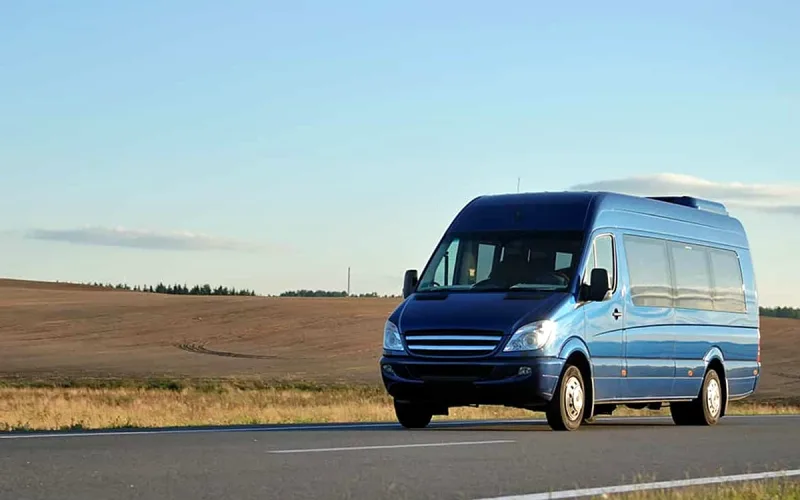
Monitoring driving and rest hours is another challenge. According to the report, the tracking devices required in coaches are not required in the same way in smaller vehicles and 4x4s, which are widely used for excursions. Drivers can therefore accumulate additional working hours without their rest time being systematically monitored.
The authors also raise the possibility that drivers sleep in their vehicles during tours—a situation that could affect their recovery and the safety of journeys.
Accommodation and rest periods must be ensured
To improve these conditions, the organization recommends that international tour operators provide drivers with suitable accommodation close to the groups they accompany, as well as a meal allowance. It also recommends planning itineraries that include sufficient breaks and limit overtime.
Tourists’ expectations are also called into question. Operators are urged to explain clearly to travelers that their drivers and guides are not required to accompany them to restaurants or on evening outings. Additional services should be regulated and paid for.
The study also highlights the difficulties faced by tourist guides, particularly those who are self-employed. The seasonal nature of their work, irregular income and barriers to certification make it harder for them to access stable social protection. The authors recommend simplifying professional procedures and paying better for services.
Conducted from 7 to 19 June 2026, the assessment draws on 30 consultations with more than 65 tourism stakeholders. The researchers examined tours passing through Casablanca, Rabat, Fès, Merzouga, Ouarzazate, Imlil and Marrakech, among other places. They recommend that local companies organize discussions with drivers and guides to adjust schedules, improve rest conditions and make it easier for them to exercise their rights.