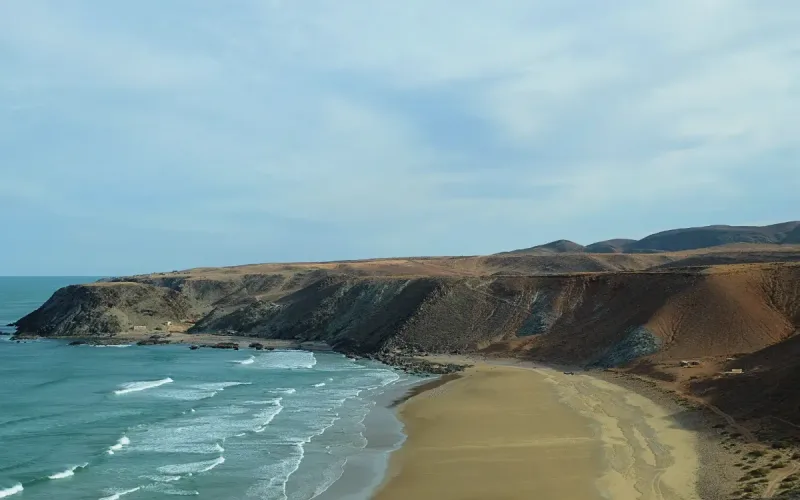
From the High Atlas to the Erg Chebbi dunes: The Saharan journey that makes travelers dream
The excursion from Marrakech to the orange dunes of Merzouga is experiencing growing success among international travelers. Between camel trekking and nights in a camp, this Saharan immersion in Morocco seduces with its landscapes and cultural authenticity.
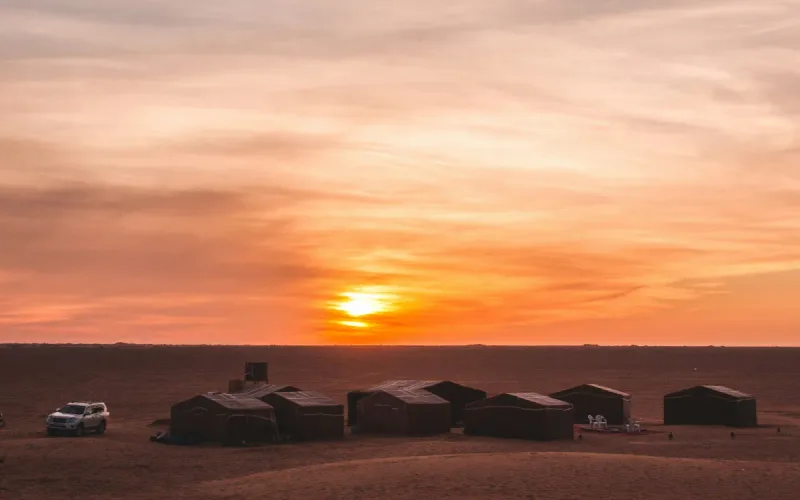
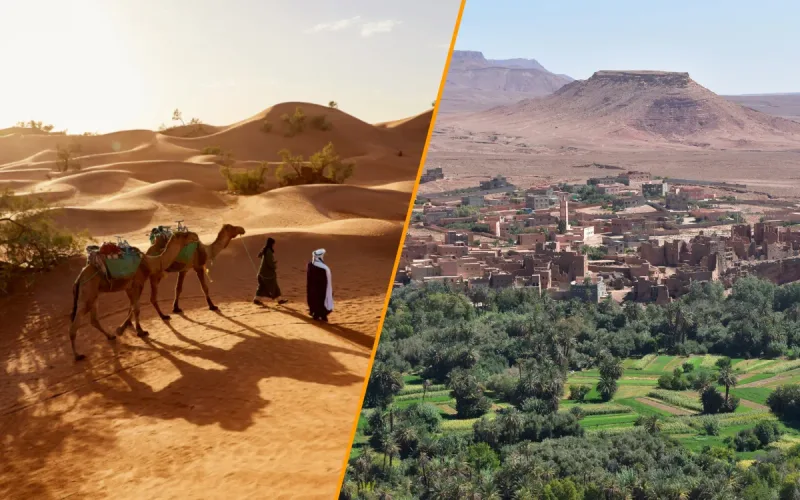
Located in southeastern Morocco, the village of Merzouga marks the end of a spectacular journey through the Atlas. The Erg Chebbi dunes, famous for their orange color, are now one of the most iconic images of the Moroccan Sahara, attracting many visitors in search of escape.
The three-day expedition from Marrakech is now the most popular with national travel agencies. While the mercury can exceed 50°C in summer, the spring period is preferred by tourists to cross the ten hours of road necessary to reach this desert panorama, reports La Presse.
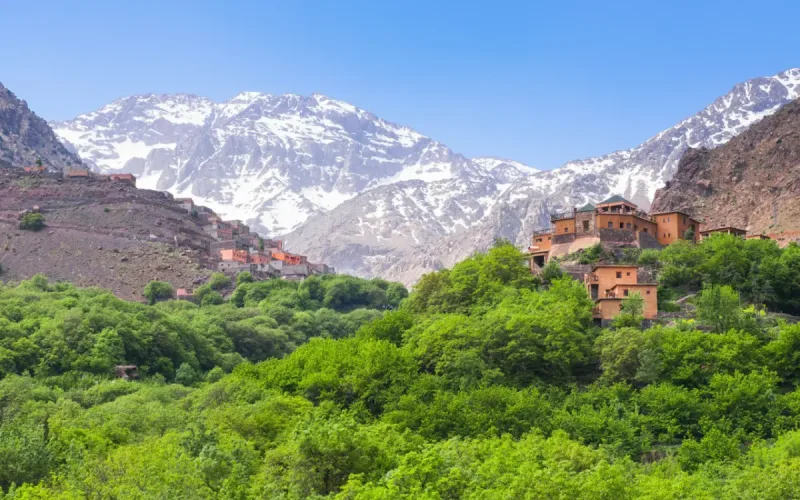
The journey to the desert is punctuated by major historical and natural stages. Travelers cross the snowy Tizi n’Tichka pass before discovering the village of Aït Ben Haddou, the setting for many Hollywood productions, then the impressive Dadès and Todgha (Tinghir) gorges that precede the arrival at the gates of the sand. Cultural experience: between Gnawa traditions and hospitality during Ramadan
Staying during the Ramadan period adds an extra dimension to the adventure. Despite adapted visiting hours, the generosity of the locals is expressed through the invitation to break the fast with the inhabitants, while the tourist infrastructure ensures the continuity of catering services for foreign travelers.
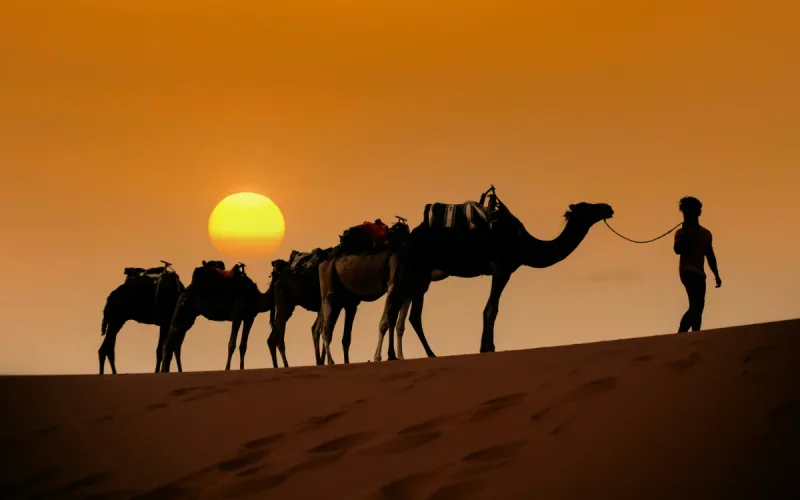
Once on site, the immersion is based on activities that have become classics of Saharan tourism. Camel trekking allows you to reach the camps for the night, complemented by sandboarding sessions or 4x4 excursions on the dune crests reaching several tens of meters.
Finally, the Merzouga region preserves a unique intangible heritage, particularly in the village of Khamilia. This place houses a museum dedicated to the legacy of the Gnaouas, descendants of sub-Saharan slaves, whose rhythmic music resonates at the heart of the desert as a living testimony to the multicultural history of the Kingdom.