
Morocco Taxi Reform: Rabat Salé Témara Integration Plan
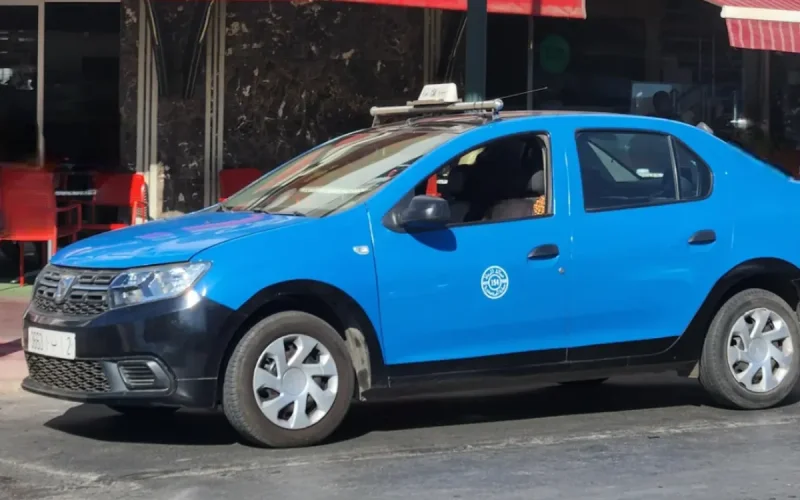
The Ministry of the Interior is studying a new organization of small taxis between Rabat, Salé and Témara. The objective would be to allow drivers to transport clients from one city to another, without forcing them to change taxis at administrative boundaries.
Taking a small taxi in Rabat to go to Salé or Témara could become simpler. According to Al3omk, the Ministry of the Interior is studying a new system that would allow small taxis to transport passengers between the three cities, instead of remaining strictly limited to their territorial perimeter.
On Bladi.net : Commuters Face Long Waits, Tensions at Temara-Rabat Taxi Stations
Today, this rule complicates many journeys in urban areas that touch almost without interruption. A user can be forced to get out, find another taxi and restart their journey simply because they cross from one municipality to another. This is notably the case between Rabat, Salé and Témara, but also in other major urban areas of Morocco.
The project therefore aims to adapt the rules of individual transport to the reality of daily travel. Rabat, Salé and Témara form the same living area, with constant movements towards administrations, universities, hospitals, train stations, the tram, commercial areas and business districts.
This reflection also comes in a broader context, marked by the rise of transport applications, which have disrupted the taxi sector and revived the debate on service quality, competition, safety and fare transparency.
A long-awaited but sensitive reform
If adopted, this measure could first be tested on the Rabat-Salé-Témara axis. It would make journeys smoother for residents, visitors and tourists, avoiding route interruptions that are sometimes difficult for users to understand.
But the project also raises several questions. The first concerns the number of small taxis available. In some areas, users already struggle to find a taxi, even for a journey within the same city. Extending the activity perimeter could improve certain journeys, but also create new tensions if supply does not keep up.
The question of fares will also be central. The authorities will need to clearly define the rules for using the meter, the method of calculating fares between cities and the conditions for picking up clients. Without a precise framework, the reform could fuel new conflicts between drivers and passengers.
The issue also touches on service quality. Many users still denounce the refusal of certain destinations, non-use of the meter, fares imposed outside the legal framework, selection of clients based on distance, surcharges requested at peak hours or refusal of short journeys.
According to the same information, any change in the rules should therefore be accompanied by strengthened controls, sanctions against abuses and more effective mechanisms for receiving and following up on citizen complaints.
Another avenue is also being studied: the unification of the color of small taxis covered by this system. The objective would be to better identify them in the shared urban space between Rabat, Salé and Témara, if these vehicles are allowed to exceed the traditional boundaries of each city.
This reform is finally part of Morocco’s broader preparations as it approaches the 2030 World Cup, organized with Spain and Portugal. Urban transport will be one of the first services visitors will encounter. For Rabat and its agglomeration, the challenge is therefore to offer a more clear, flexible and reliable system.
On Bladi.net : Tourists Decry Taxi Scams and Overcharging in Morocco’s Capital
No official decision has yet been made. The project remains under study, as it affects both the interests of taxi professionals and the daily needs of thousands of users between Rabat, Salé and Témara.
Related Articles
-

A Fez riad earns a Michelin Key and joins the world’s best hotels
18 September 2026
-

MRE: this mistake when buying in Morocco can block the repatriation of your money
18 September 2026
-
One ship every five minutes between Morocco and Spain: Rabat seeks new rules for straits
18 September 2026
-

8.2 million dirhams for new vehicles tasked with monitoring Moroccan airport runways
18 September 2026
-

2030 World Cup: Fitch warns Morocco that cost overruns could increase its debt
18 September 2026