
Morocco Real Estate Crisis: Bank Al-Maghrib Emergency Intervention
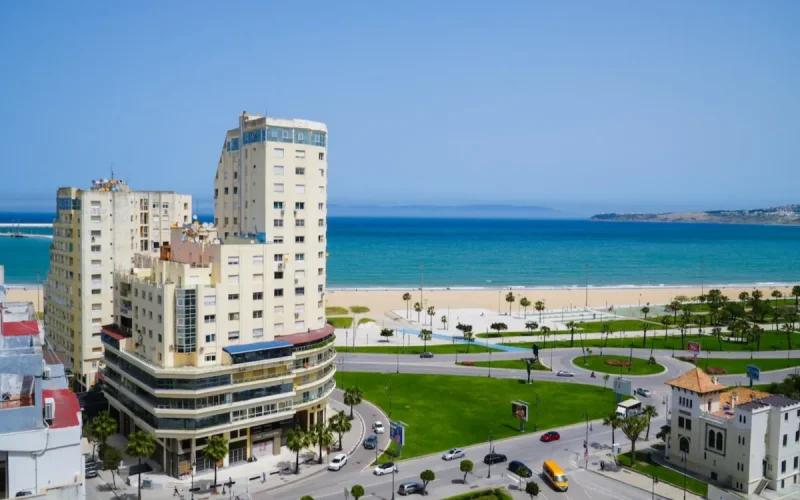
The new register of real estate powers of attorney, which came into force in early June, is paralyzing transactions. Faced with administrative delays blocking sales and credit, Bank Al-Maghrib is multiplying emergency interventions to try to save the market.
The implementation of this central register has caused a real shock wave. Citizens wishing to purchase a home find themselves trapped by the slowness of mortgage release procedures. This blockage freezes purchase and sale operations by power of attorney, while freezing the granting of bank loans, including Mourabaha participatory financing. The congestion is worsening in certain courts that demand new supporting documents without any notice, leading to an accumulation of requests and multiple postponements for the signing of official contracts.
On Bladi.net : Morocco Real Estate Reform Paralyzes Property Sales and Transactions
To try to stem this crisis, the central bank is taking the offensive. The banking supervision department has scheduled meetings starting next week with the Ministry of Justice and financial institutions to eliminate these obstacles. The institution had anticipated the situation by alerting banks before June 1st, according to Al3omk. Previous consultations had even allowed the development of a practical guide, the appointment of a contact unit, and the activation of a digital platform allowing notaries to carry out their procedures directly.
While judicial authorities defend a measure intended to modernize the system and stop the falsification of documents, experts are concerned. These real estate law specialists fear that this excessive procedural rigor will create harmful legal uncertainty. They warn that overly strict administrative requirements risk undermining the confidence of economic actors. The current challenge is to find the right balance: securing properties against fraud without penalizing transactions concluded in good faith by bureaucratic delays.
Related Articles
-
220 dirhams on construction sites, up to 400 in the fields: Morocco lacks workers
25 August 2026
-

This Israeli company equips defense giants and also has clients in Morocco
24 August 2026
-

After three days in Algeria, a sanctioned Russian ship passes near Morocco
24 August 2026
-

In Brussels, a Moroccan name and being over 50: the profile most disadvantaged in hiring
24 August 2026
-

Morocco Has a New Billionaire Forbes Has Yet to Spot
24 August 2026