Morocco Real Estate: Buyer Protection Guarantee Rejected by Government
During the examination of the bill on housing developments, the government rejected the establishment of a financial bond for developers. The executive favors flexibility to avoid slowing investments in the real estate sector.
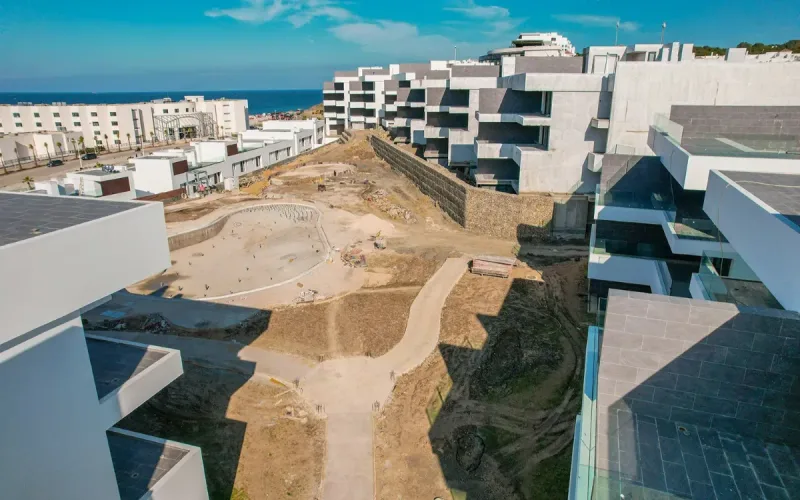
The debates were particularly heated on Wednesday at the Chamber of Representatives. Opposition groups fiercely defended an amendment aimed at requiring builders to freeze 20% of the value of their development work. For deputy Saloua El Berdai and parliamentarian Mohamed Mellal, this bank deposit is essential to protect buyers against potential technical defects. They demand an equitable system so that a citizen who has saved for years does not find themselves destitute facing a defective or unfinished construction site.
On Bladi.net : Real Estate in Morocco: The reform that will finally unlock thousands of stalled housing projects
However, this proposal met with firm refusal from the State Secretary for Urban Planning. Adib Benbrahim believes that such a requirement would drain company treasuries and cause a real halt to construction sites. The executive prefers to rely on the provisional reception procedure, followed by a one-year testing period. This transitional period grants municipalities the right to serve notice on the project owner to repair any anomaly, thus preserving users’ interests without paralyzing professionals.
On Bladi.net : Morocco Real Estate Aid: MREs Claim 24% of Subsidies
The text also requires obtaining a definitive land title before launching any operation, rejecting simple registration requests to avoid territorial disputes. The question of responsibility for damage also provoked reaction from the majority. Deputy Taoufik Kamil recalled that road deterioration is frequently caused by subsequent excavations by telecom operators or water and electricity distribution companies. He considers it unfair to make developers pay for this damage, asking: "Is it conceivable that the investor remains indefinitely the guardian of the facilities?"