Morocco: Fed up with concrete cities
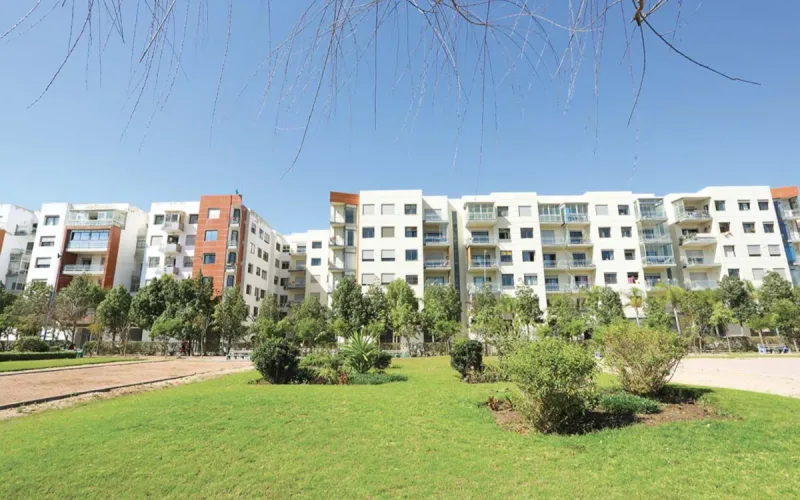
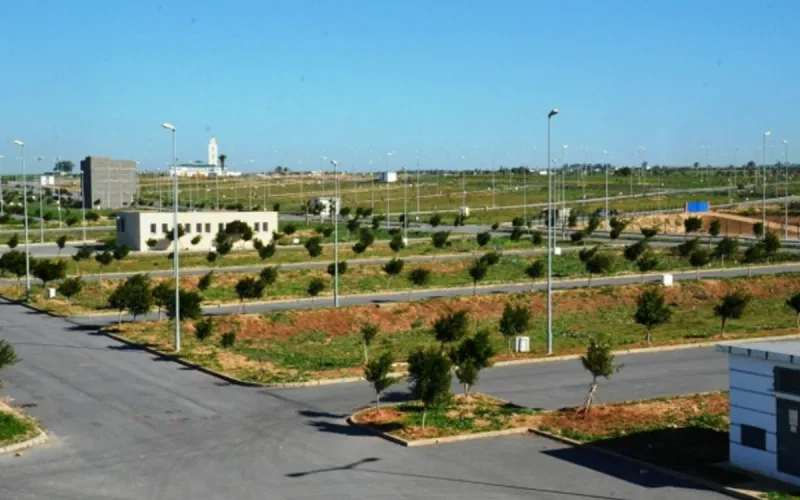
Opposition MPs are sounding the alarm over draft law 34.21. They are calling for a break with "concrete cities" without services and denouncing the abuses related to subdivision permits and the lack of infrastructure.
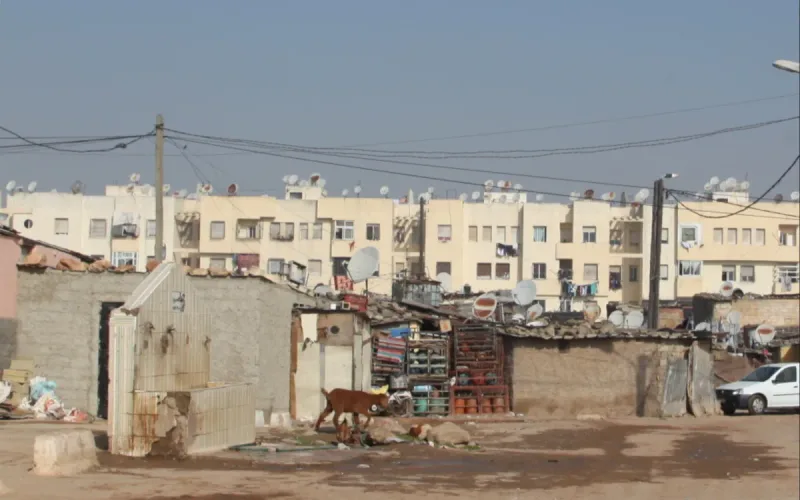
The reform must put an end to the chaos. Gathered this Tuesday in committee, opposition MPs demanded that the new text on real estate subdivisions stop urban dysfunctions. Youssef Bayazid, from the Progress and Socialism group, pointed to the misused "division certificates" that promote illegal land fragmentation. For him, these practices hinder the state’s efforts in land conservation and require stricter sanctions against anarchic housing.
On Bladi.net: Real estate in Morocco: The reform that will finally unblock thousands of struggling housing units
The financing of public facilities is also a source of tension. Another socialist MP denounced the "fanciful" compensation claimed by some developers for land reserved for public services. He advocates for integrated planning between health and education to prevent these facilities from remaining unused. He also notes that delivery delays are often due to water and electricity network managers rather than investors.
The heartfelt cry concerns above all the quality of life of citizens. Abdessamad Haiker, from the PJD group, warned against the proliferation of neighborhoods transformed into mere "cement boxes". Without schools or basic services, these areas become unlivable. The MP believes that "any real reform must break with the logic of simple construction to move towards urban planning integrating housing, services and infrastructure". He demands that the granting of permits be henceforth linked to the effective realization of these facilities.
On Bladi.net: Nouaceur: The big cleanup begins! Millions of dirhams in tax evasion uncovered among developers
Finally, the parliamentarians call for a clarification of legal responsibilities, particularly in the face of the administration’s silence, which sometimes amounts to tacit authorization. To unblock the projects in distress, particularly in the rural world, the opposition suggests authorizing the partial acceptance of subdivision works. The objective is to protect the consumer against the sale of unequipped land and to ensure that municipalities no longer have to bear the repair costs for hidden defects left by the developers.