Morocco's Prickly Pear Renaissance Sparks Global Export Boom
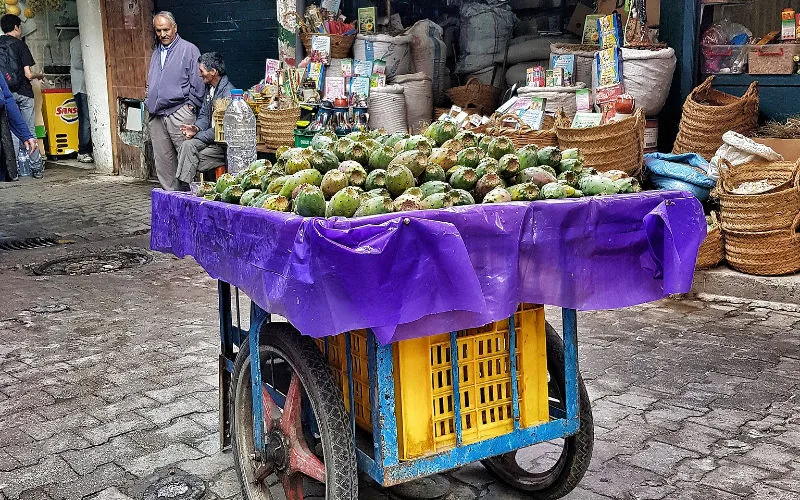
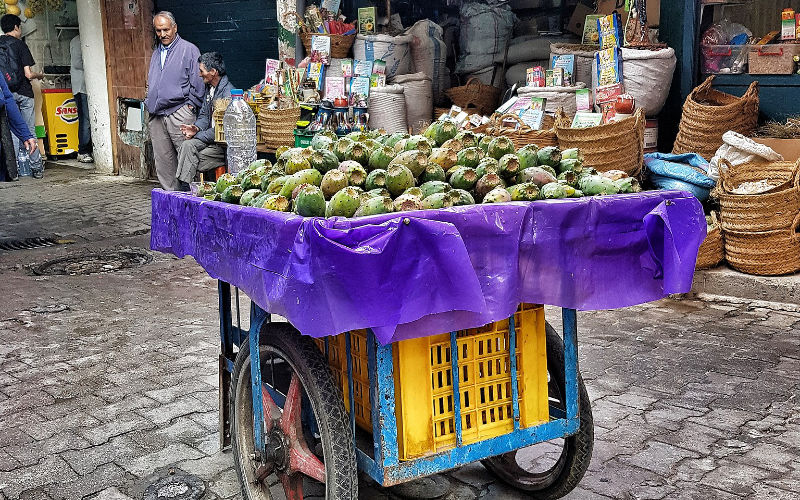
Morocco is on the verge of regaining its place on the global map of the Moroccan prickly pear. This fruit is being reborn for export.
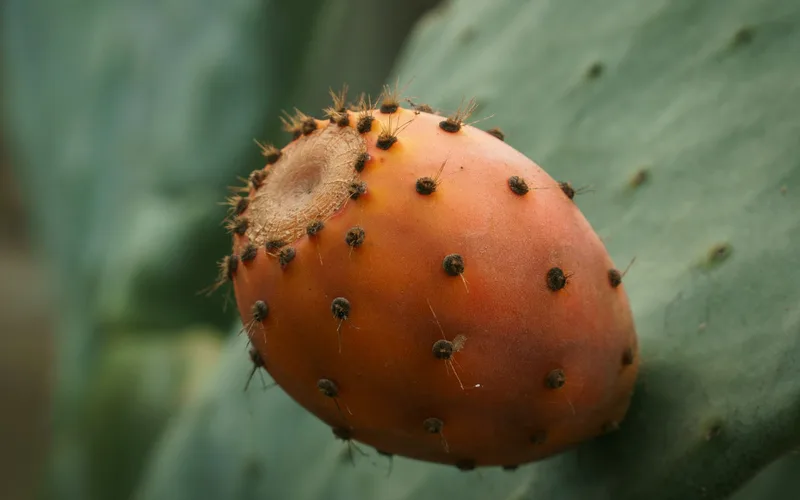
Thanks to the introduction of resistant varieties and the development of adapted commercial crops, the prickly pear is being reborn in Morocco to the point of making us forget the loss of more than 140,000 hectares of plantations due to the cochineal in 2014. These new varieties that are resistant to pests are distinguished by their size, their overall quality and their low water consumption, thus offering a sustainable solution to the past crisis. Producers and health authorities are the architects of the revival of the sector. "These efforts have been rewarded by good adaptation and optimal fruit behavior," says an exporter interviewed by Fresh Plaza.
International demand has been growing steadily since the drop in production. "Today, the prickly pear is sought after both for the consumption of fresh fruit and for the food and cosmetic industries. Plantations are multiplying to meet this demand, and the fruit could become a common export product from Morocco," says the exporter. Another advantage of commercial cultivation is the extension of seasonality. Previously, the wild harvest was limited to the summer. Today, the new plantations allow availability from April to September. And the prospects indicate an almost continuous season in the long term.
A revival that is already benefiting the local and European markets. Its commercial trial on the Spanish market was a success, assures the exporter, adding that volumes should grow steadily. For Fresh Plaza, Morocco could soon regain its place on the global map of this unique fruit, turning a past agricultural crisis into an economic opportunity for the export sector.
In 2024, the global prickly pear market was estimated at $1.2 billion. It should reach $2.35 billion in the next 5-10 years, thanks to growing demand for fresh fruit, the food industry and cosmetics.