Morocco’s New Trains Will Use Safety System Not Yet Installed on Spain’s Deadly Crash Line
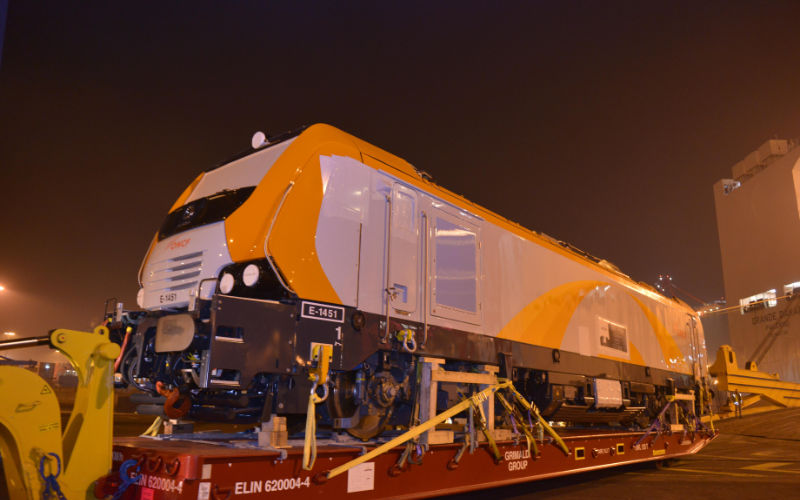
Trains ordered by Morocco from Spanish manufacturer CAF are at the center of controversy following the rail disaster at Urda, which killed 69 people. Their specifications call for a safety technology that had not yet been fully deployed on the Madrid–Seville line at the time of the accident.
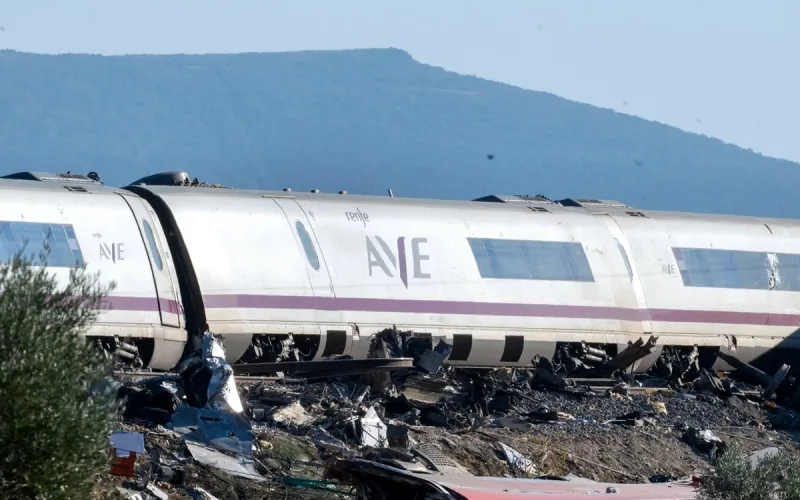
Would Morocco’s future trains have been better protected than those involved in the Urda disaster? On Sunday, November 15, Spanish newspaper El Debate examined the safety equipment required by the National Office of Railways (ONCF) for the new trainsets ordered from CAF. The outlet drew a comparison with the accident that occurred on October 28 near Toledo, where an AVE (Alta VElocidad – high-speed train) struck an Iryo train that had come to a stop.
On Bladi.net : Spain’s €754 million loan to Morocco carries a 0.5% interest rate
The ONCF specifications, dated September 2022, require compatibility with the European Level 2 ETCS system. This technology monitors train speeds and transmits movement authorities by radio. Moroccan requirements also cover remote fault diagnostics and the ability of the trainsets to operate in temperatures of up to 55 degrees.
In Spain, the older LZB system was used on the Madrid–Seville line. On October 28, a failure caused several trains to stop. An AVE was later cleared to resume its journey while an Iryo was still stopped on the same track. The collision killed 69 people.
Spain wants to speed up replacement of its safety system
In its article published on November 15, El Debate quotes engineer Ricardo Díaz, who believes that an operational ERTMS system could have prevented the disaster. That possibility remains to be established. Level 2 ETCS requires equipment on trains, as well as installations along the tracks and radio communications with a control center.
The Spanish government has announced that it will replace LZB with Level 2 ERTMS on the Madrid–Seville line, with the system expected to enter service in early 2027. In the meantime, the authorities have decided to reduce the number of trains in operation in order to increase the distances between them.
On Bladi.net : No, Spain has not "sacrificed" its security for the benefit of Morocco in the Adamuz tragedy
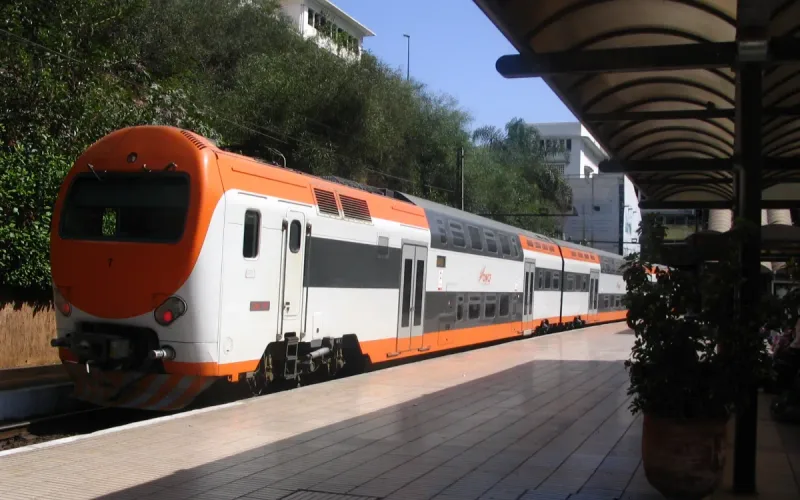
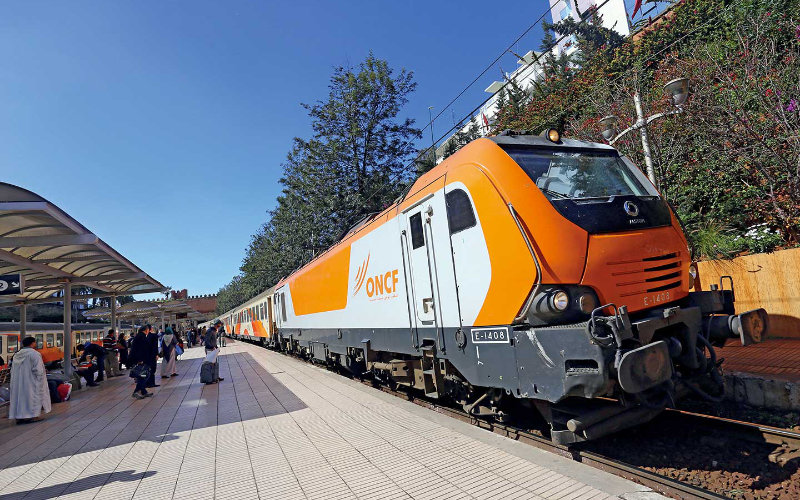
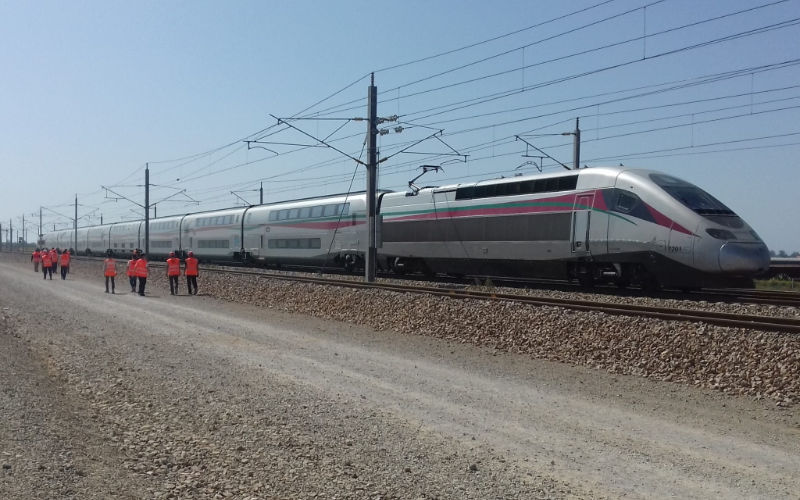
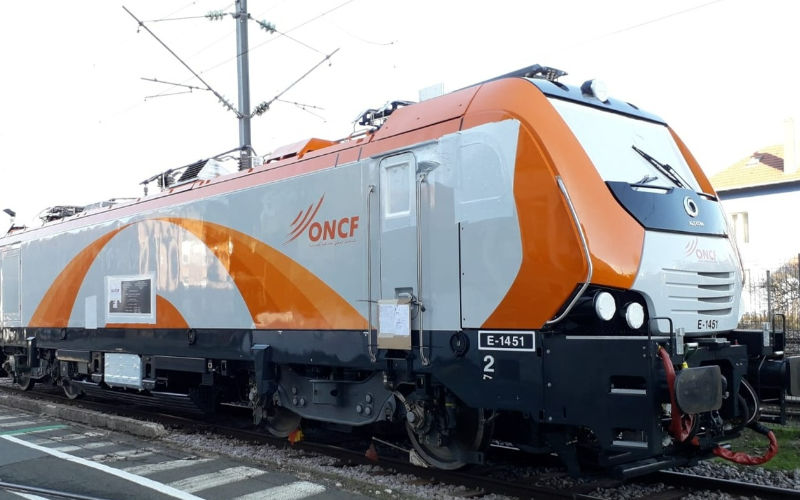
The Moroccan contract is worth around 600 million euros to CAF. The Spanish manufacturer is to supply 30 intercity trains capable of reaching 200 km/h and carrying more than 500 passengers, with an option for ten additional trainsets. Madrid has authorized a repayable loan of 754.3 million euros to finance the purchase from Spain’s rail industry.