Morocco Locust Invasion Threatens Crops and Tourism After Drought Relief
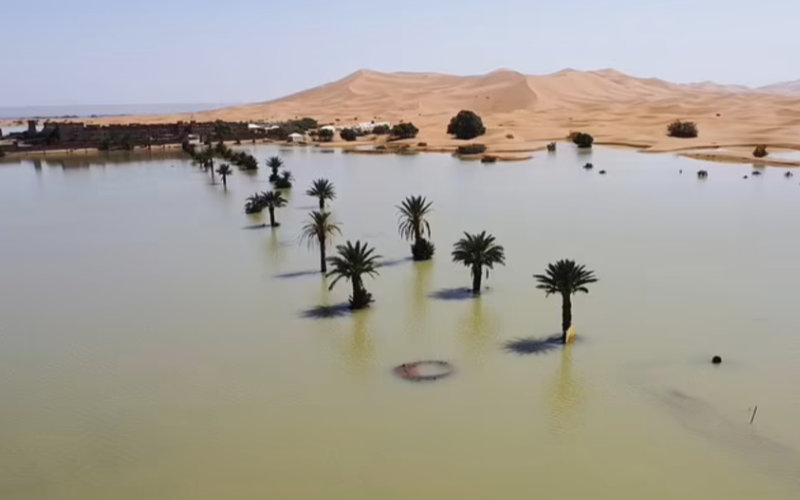
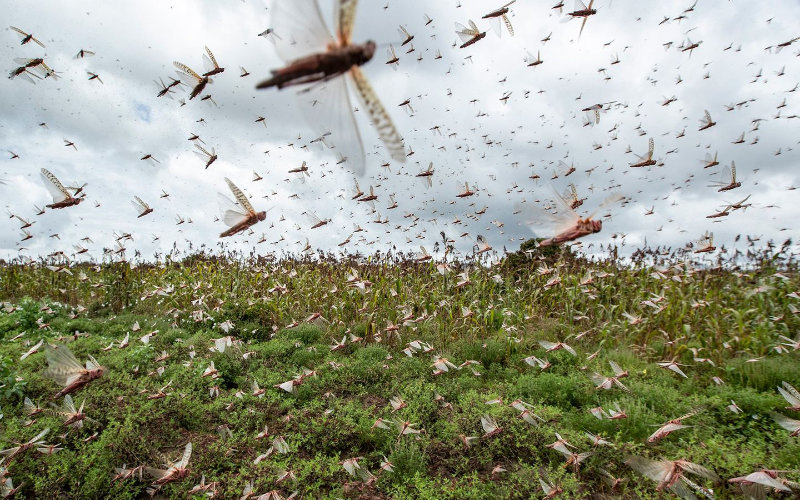
After years of drought, recent rainfall in southeastern Morocco has revived pastures. But this providential moisture has triggered a massive invasion of desert locusts, now threatening crops and tourism in Errachidia.
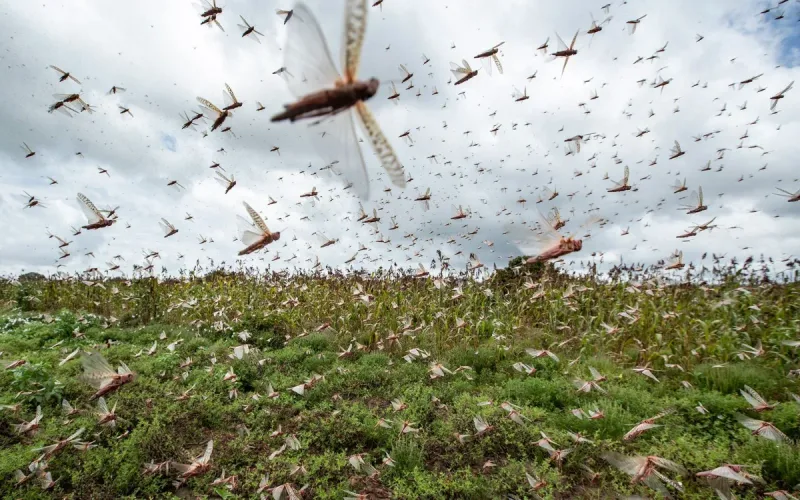
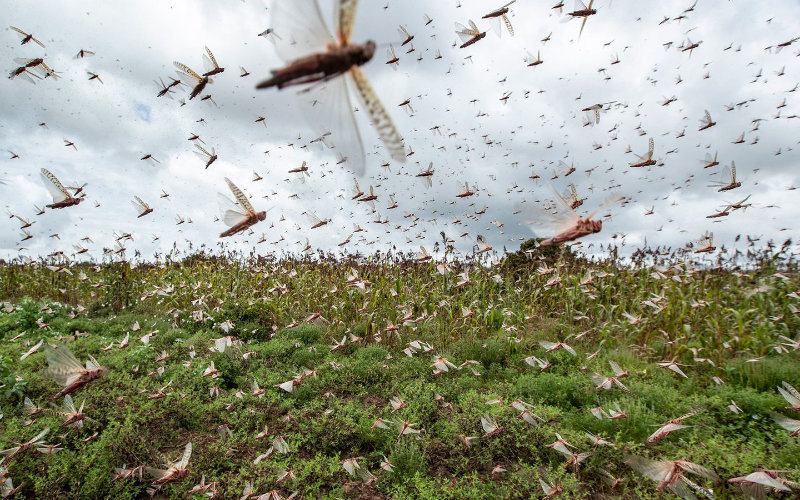
Recent rains have provided unexpected relief to the Drâa-Tafilalet region, allowing the land to regenerate. However, this moisture has created ideal climatic conditions for the rapid proliferation of desert locusts across semi-desert expanses. Swarms are now settling dangerously close to the oases of Errachidia province, reports Hespress.
On Bladi.net : Locust Swarms Threaten Crops in Southern Morocco, Farmers Seek Government Aid
The scale of the phenomenon alarms local populations, who have not faced such an invasion for two decades. Mohamed Amine Jelili, a resident, confirms this is the largest concentration of insects seen in recent years. "Residents are closely monitoring the situation due to the density of swarms and the vast areas they have crossed," he testifies, fearing uncontrolled proliferation.
These swarms represent a direct and immediate threat to the precious date crops of these ecologically sensitive areas. The work of families depending exclusively on agriculture and livestock risks being annihilated. Othman Ouachaouch, a local professional, sums up the prevailing anxiety: "Fields and pasture lands have begun to recover after years of drought, but locusts could destroy a considerable portion of crops in very little time."
On Bladi.net : Climate Change Could Intensify Locust Invasions in Morocco, Study Warns
Beyond agricultural disaster, the entire local economy is faltering. Residents fear that the destruction of vegetation cover will permanently alter the region’s emblematic landscapes. As Othman Ouachaouch emphasizes, this environmental degradation would severely impact the territory’s attractiveness and deal a hard blow to activities related to ecological and oasis tourism.