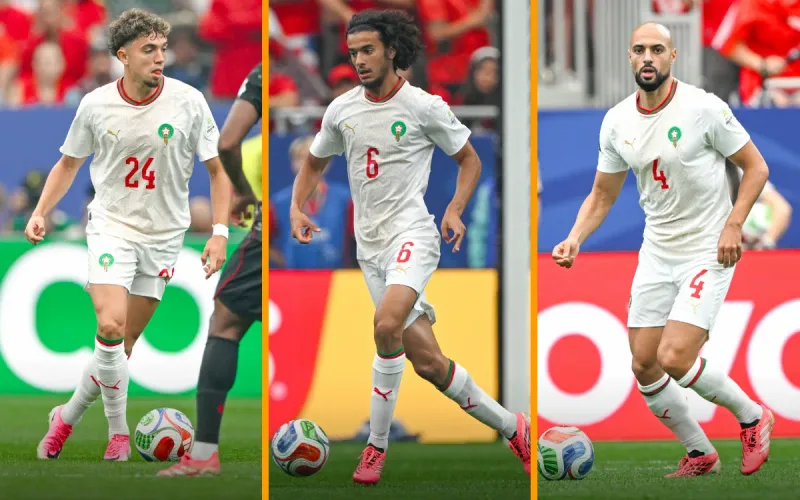
Morocco’s Growing Influence in African Football Draws Praise and Scrutiny
Morocco has saved the Confederation of African Football (CAF) several times by hosting competitions no one else wanted, says a Beninese researcher. In an investigation published Tuesday, November 24, Al Jazeera examines the Kingdom’s growing influence in African football and the accusations of favoritism that have accompanied it.
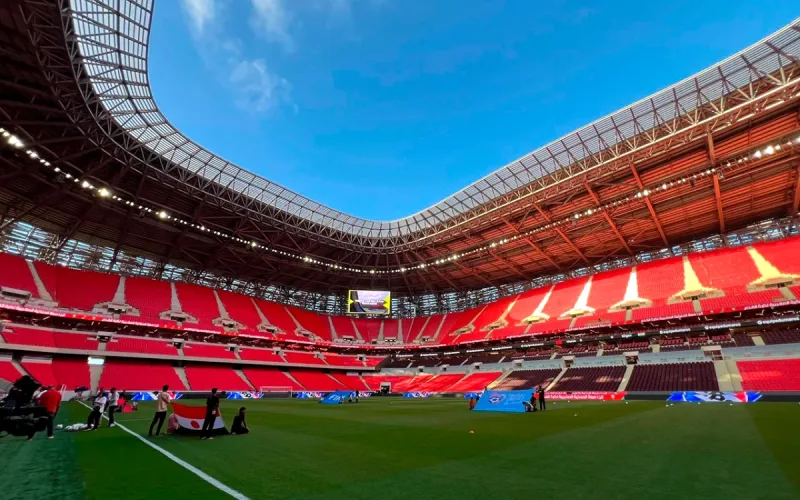
For Gérard Akindes, a Beninese researcher and consultant specializing in the economics of sport, Morocco’s current standing in African football is explained in part by the services it has provided to CAF. The Kingdom agreed to organize competitions that other countries could not or did not want to host.
On Bladi.net : Morocco Stops Funding African Football Competitions
“Morocco has gained a lot of influence because it has repeatedly rescued the organization by hosting events no one wanted,” he told Al Jazeera. The researcher believes this willingness has strengthened ties between Rabat and the continental body, with possible benefits in return.
There is also a financial stake. The Africa Cup of Nations is an important source of revenue for CAF, particularly through broadcasting rights and sponsorship deals. The organization needs modern infrastructure and well-produced competitions to attract broadcasters. Yet, Akindes notes, many African countries still face difficulties in these areas.
Morocco’s success also raises questions
The concentration of major competitions in Morocco has not won universal approval. Kamilla Swart, a sports management specialist at Hamad Bin Khalifa University in Qatar, acknowledges the results of a strategy pursued for several years, notably with the opening of the Mohammed VI Academy in 2010. She also understands the concerns of those who believe other African countries do not benefit enough from these events.
Kenyan sports lawyer Khayran Noor, for her part, is calling for greater transparency in the allocation of competitions. She recommends publishing selection criteria, independent technical assessments and any potential conflicts of interest. In her view, Morocco’s investments should be recognized while ensuring that other federations have a fair opportunity to host tournaments.
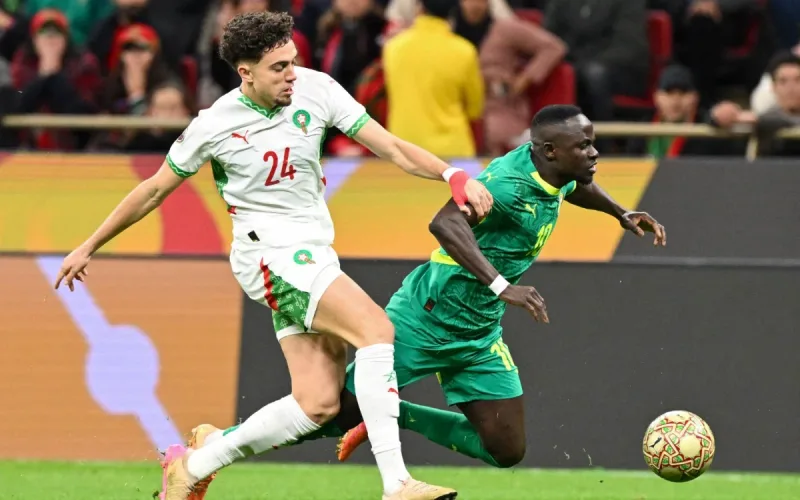
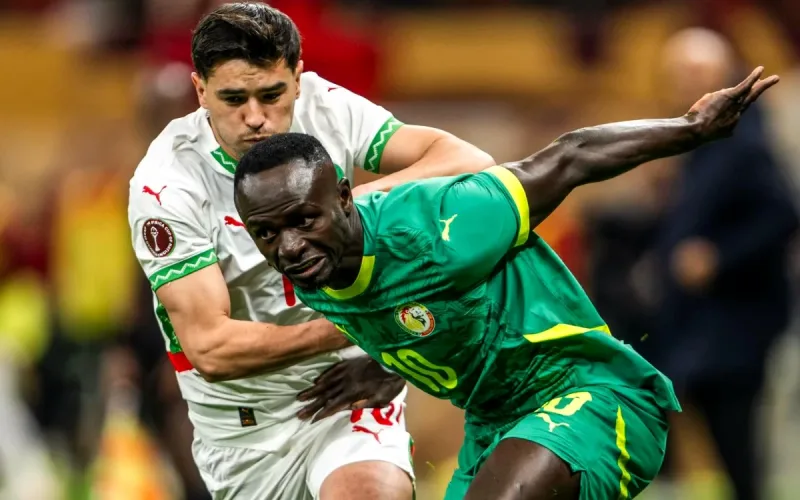
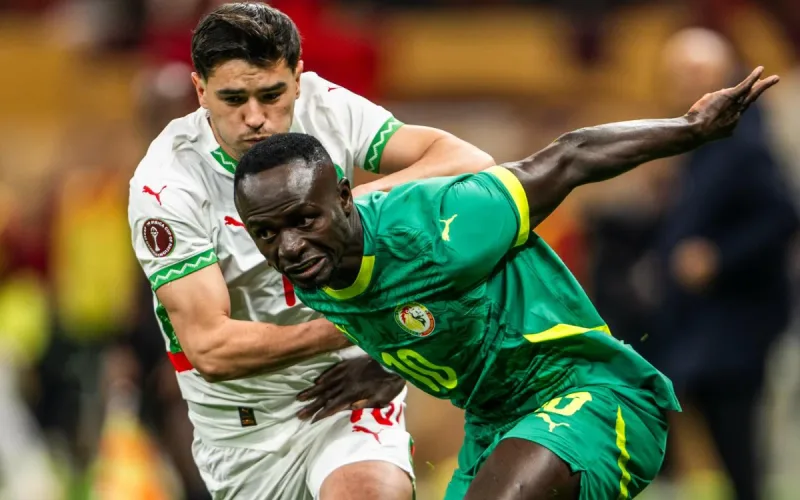
Accusations of favoritism intensified after the controversy surrounding the 2025 Africa Cup of Nations final between Morocco and Senegal. CAF had awarded the title to the Atlas Lions by forfeit, before the Court of Arbitration for Sport reinstated Senegal’s victory on Tuesday, November 24.
Nigerian academic Victor Damilola Ademola, a specialist in physical conditioning, cautions against systematic accusations, however. After three visits to Morocco in twelve months, he points to investments in training centers, medical facilities, youth development and the identification of dual-nationality players. He notes that no established evidence shows deliberate favoritism by CAF toward the Kingdom. In his view, other African federations must also examine their own shortcomings in training and sports management.