
Morocco Gas Pipeline Halted: Financial Risks and Energy Strategy
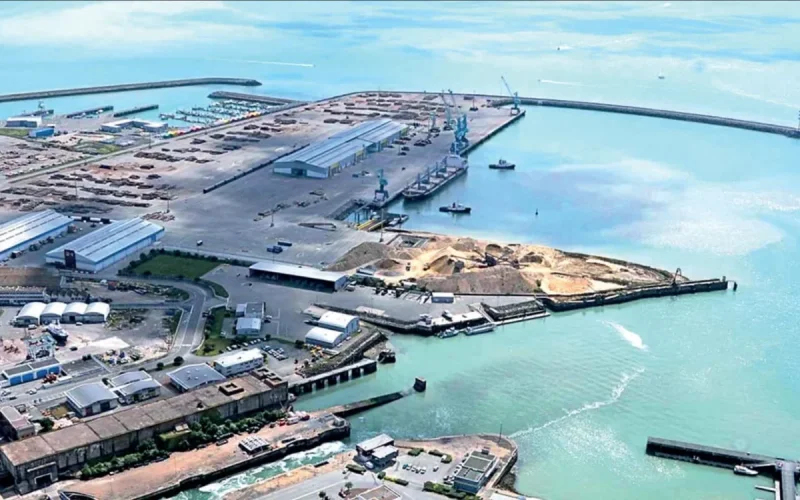
Opposition from the Finance Ministry forced the Energy Ministry to suspend the call for bids for the new gas pipeline. Financial risks and procedural flaws are cited as the main causes of this unexpected blockage.
The gas infrastructure project, a cornerstone of the kingdom’s energy transition, was brought to an abrupt halt by reservations from the state’s finance ministry. According to an official document reviewed by Reuters, the Finance Ministry refused to approve the call for bids, citing the lack of prior approval for this public-private partnership. The minister also highlighted an “unbalanced allocation of risks” between the state and the private sector, as well as uncertainties surrounding the project’s “budgetary sustainability.”
Read also: LNG in Morocco: the strategic gas pipeline project put on hold
The planned infrastructure was to connect the future Nador West Med terminal to the existing Maghreb-Europe gas pipeline, supplying the industrial areas of Mohammedia and Kénitra. The freeze comes as Rabat urgently seeks to diversify its energy mix to reduce its dependence on coal, which still generates 60% of the country’s electricity, while anticipating an eightfold increase in gas demand by 2027.
Read also: 51 billion dirhams and 50,000 jobs: Morocco’s incredible Nador West Med gamble
For some analysts, this setback could prove strategically advantageous. Rachid Ennasiri, of the IMAL think tank, considers the pause a measure of “prudent risk management” in response to volatility in fossil fuel markets. He suggests that Morocco has every interest in avoiding a long-term lock-in to gas and instead prioritizing the acceleration of renewable energy, a sector in which the country is targeting 52% of installed capacity by 2030.
The Finance Ministry nevertheless clarified that the project had not been abandoned. In the document, it reiterated its commitment to supporting the initiative once the legal framework has been clarified and profitability criteria met. In the meantime, Morocco continues to secure its supplies through Spanish terminals, using the existing gas pipeline in reverse flow.
Related Articles
-
220 dirhams on construction sites, up to 400 in the fields: Morocco lacks workers
25 August 2026
-

This Israeli company equips defense giants and also has clients in Morocco
24 August 2026
-
After three days in Algeria, a sanctioned Russian ship passes near Morocco
24 August 2026
-

In Brussels, a Moroccan name and being over 50: the profile most disadvantaged in hiring
24 August 2026
-

Morocco Has a New Billionaire Forbes Has Yet to Spot
24 August 2026