Morocco: Farewell to the extended family
The 2025 national survey by the High Commission for Planning reveals a profound transformation of Moroccan society. Between the decline of marriage and the triumph of the nuclear model, traditional structures are giving way to new ways of life.
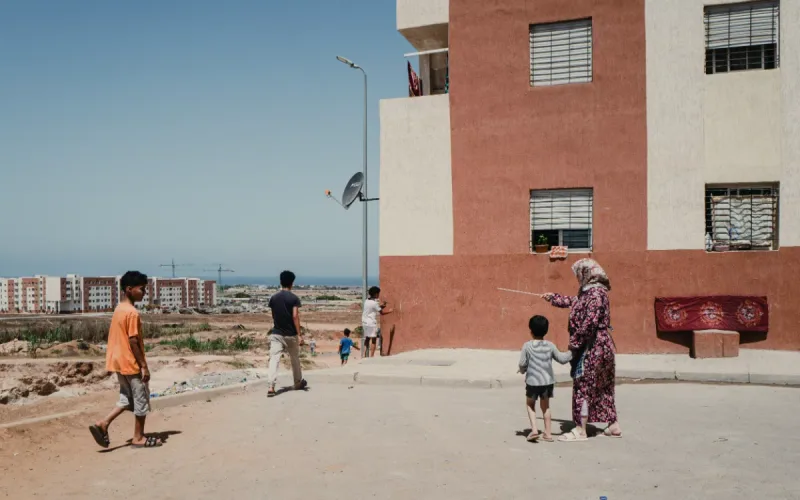
The Moroccan family is now tightening around the parental couple. The figures from the High Commission for Planning indicate that 73% of households are of the nuclear type, marking a significant increase over the past thirty years. This refocusing is accompanied by the emergence of "empty nests", with the share of childless cohabiting couples having almost tripled. At the same time, residential proximity to the elderly is weakening, shifting physical solidarity towards remote financial and digital exchanges.
On Bladi.net: Morocco is no longer having enough children, aging is accelerating
Marriage is experiencing a clear decline in a context of strong economic pressures. Today, 52% of singles no longer wish to marry, a particularly strong trend among men. The average age of the first union is now 26.3 years for women and 33.3 years for men. There is also a significant decrease in consanguineous marriages, which now represent only 20.9% of unions, reflecting a social and territorial diversification of meeting circles.
On Bladi.net: Morocco: they say "no" to marriage!
Despite these changes, the family unit remains the main bulwark against the isolation of the elderly. While 59.3% of seniors live with their children, a third of them have no source of income, a vulnerability that particularly affects women. In terms of social mobility, 41% of individuals show an upward trajectory compared to their parents. Faced with these developments, Chakib Benmoussa emphasizes the need to adapt public policies to accompany the transformations of an institution that remains the "fundamental pillar" of society.