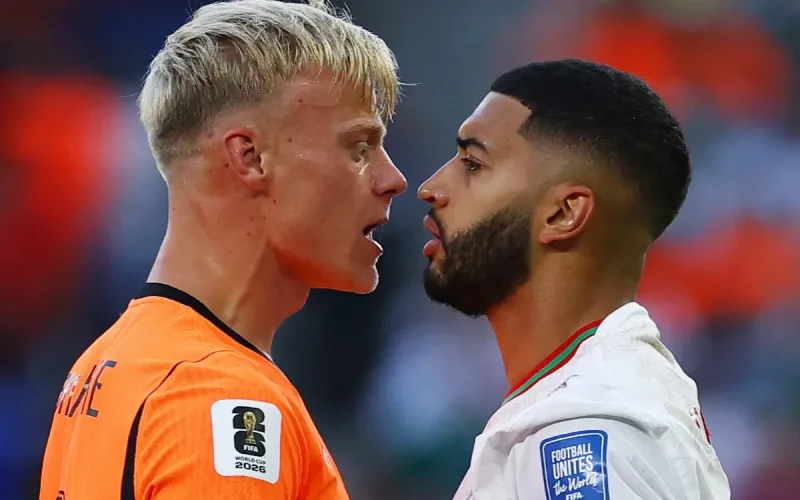
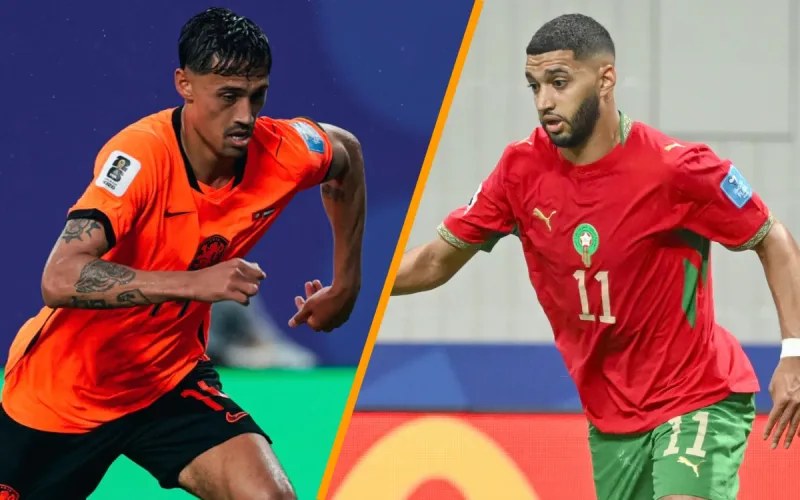
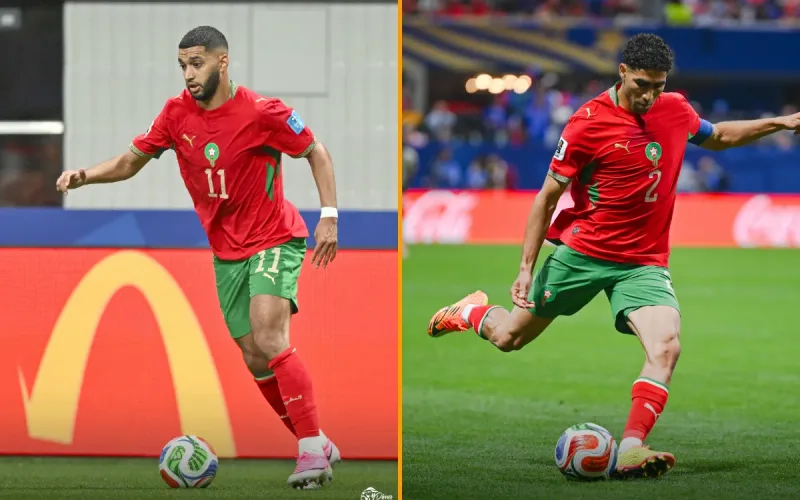
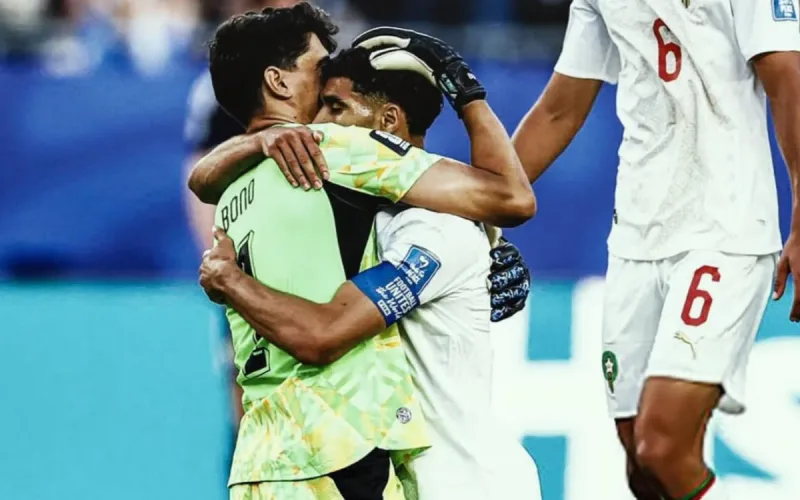
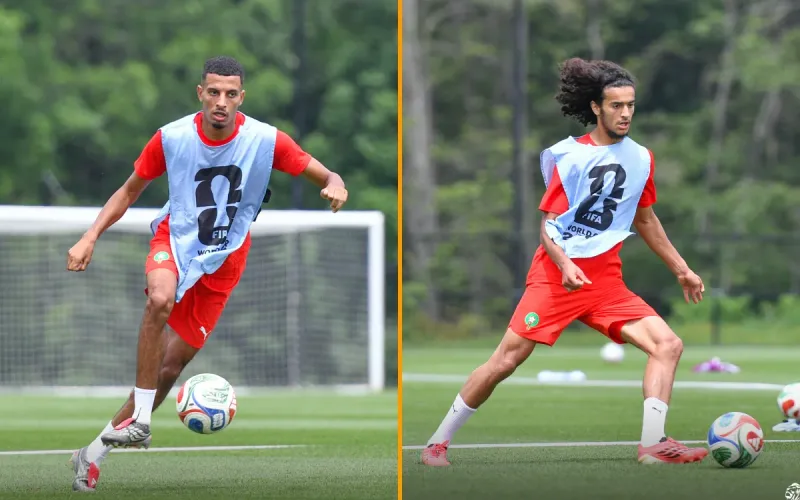
Morocco defeats Netherlands, steals Dutch football identity
In the Netherlands, Oranje’s elimination by Morocco is experienced as both a tactical and sporting failure. In a severe analysis, NOS believes that Ronald Koeman abandoned the principles of Dutch football by excessively adapting his team to the Atlas Lions.
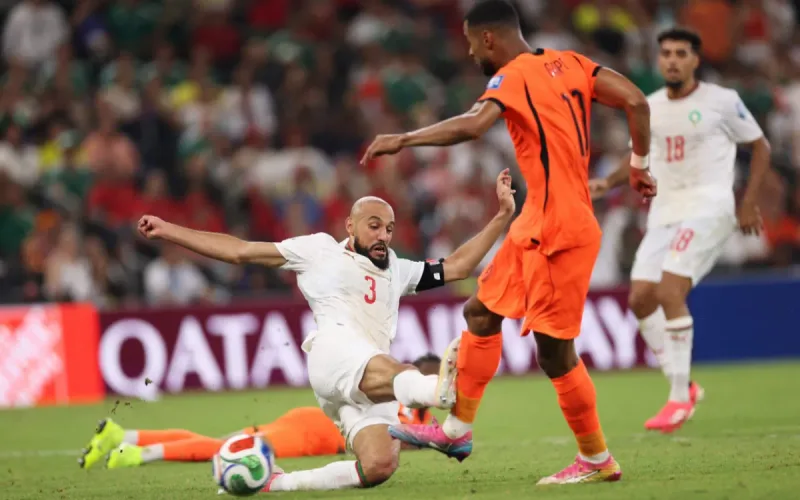
The formula is harsh, but it sums up Dutch unease after the elimination by Morocco: in Monterrey, the "Hollandse School" would have been more visible in the Atlas Lions’ play than in Oranje’s game. In other words, Morocco didn’t just eliminate the Netherlands. They also confiscated, for the duration of a match, part of their footballing identity.
On Bladi.net : Morocco defeats Netherlands on penalties - Dutch press analysis
In its analysis, NOS criticizes Ronald Koeman for approaching this match with fear rather than control. The Dutch coach had chosen to switch to a five-man defense, with the idea of better protecting a team weakened defensively during the group stage. On paper, the choice could be defended. On the pitch, it mainly produced a Dutch team too deep, deprived of midfield support and unable to impose its own rhythm.
The problem wasn’t just the number of defenders. It was structural. By opting for a five-man line, Koeman removed a player from the zone where match control is built: midfield. The Netherlands thus found themselves with less presence between the lines, fewer passing options and less continuity in ball progression. Facing a Morocco capable of occupying the right spaces, closing interior circuits and playing cleanly out, Oranje quickly lost the initiative.
The figure cited by Dutch press is telling: the Netherlands had only 30% possession against Morocco. According to NOS, this is the lowest percentage ever recorded by Oranje in a World Cup match since this statistic has been measured. For a team historically associated with positional play, possession and technical superiority, the symbolism is heavy.
It’s not a simple possession statistic that’s at issue, but what it tells. The Netherlands didn’t choose to voluntarily surrender the ball to attack strongly in transition. They mainly suffered it. The Dutch block retreated, the fullbacks were contained, the attackers found themselves isolated and Frenkie de Jong couldn’t establish that first relay that usually serves as the backbone of Dutch play.
Conversely, Morocco gave the image of a more collectively coherent team. The Atlas Lions didn’t just play with intensity. They played with true positional discipline, good management of distances between the lines and an ability to circulate the ball without disorganizing themselves. This is precisely what feeds NOS’s reading: Morocco seemed more faithful to certain historical principles of Dutch football than the Netherlands themselves.
The Dutch media doesn’t deny Morocco’s quality. It recalls that the Atlas Lions deserve respect for their recent results, their status as African champions and their place in the top of the FIFA rankings. But it believes that Koeman granted the opponent excessive tactical respect. Facing a solid but not untouchable Moroccan team, Oranje should have relied on its own strengths, particularly after a group stage where its offensive play had shown more variety.
The criticism also targets the preparation of the plan. The five-man defense wasn’t a long-worked project, but a late adaptation. The comparison with Louis van Gaal naturally returns to the Netherlands: in 2022, this system had been thought through, practiced, integrated. Koeman, meanwhile, seemed more to be correcting a weakness than building an idea. This nuance changes everything at the highest level. A defensive system can be effective when mastered; it becomes fragile when it looks like a precaution taken at the last moment.
In post-match debates, this reading divided former Dutch internationals. Pierre van Hooijdonk understood the desire to strengthen defensive balance. Rafael van der Vaart, meanwhile, contested this approach, believing that Oranje shouldn’t adjust so much to an opponent deemed inferior on paper. This opposition sums up the current debate in the Netherlands: should they have respected Morocco, or did the Netherlands respect them too much?
The penalty shootout ultimately sealed the elimination, with failures from Justin Kluivert, Quinten Timber and Crysencio Summerville. But Dutch press doesn’t reduce Oranje’s exit to this exercise. The main criticism lies before: in the game plan, in the posture, in this impression of a team that accepted defending before even trying to impose its football.
On Bladi.net : Morocco vs Netherlands: Dutch Media Analyzes Oranje’s Defensive Weakness
For Koeman, the defeat could weigh heavily. His second spell in charge of the Netherlands hasn’t yet allowed Oranje to beat a major nation or regain strong identity in major tournaments. The elimination against Morocco leaves a particular mark, because it doesn’t just tell a story of a penalty shootout defeat. It tells a symbolic dispossession: that night, the play, control and boldness were more Moroccan than Dutch.