Morocco Customs Bust New Clothes Hidden in Secondhand Shipments
Organized networks allegedly conceal new clothing in secondhand shipments imported to Morocco. Declared as used garments or humanitarian aid, these goods would thus escape customs duties before being resold in stores.
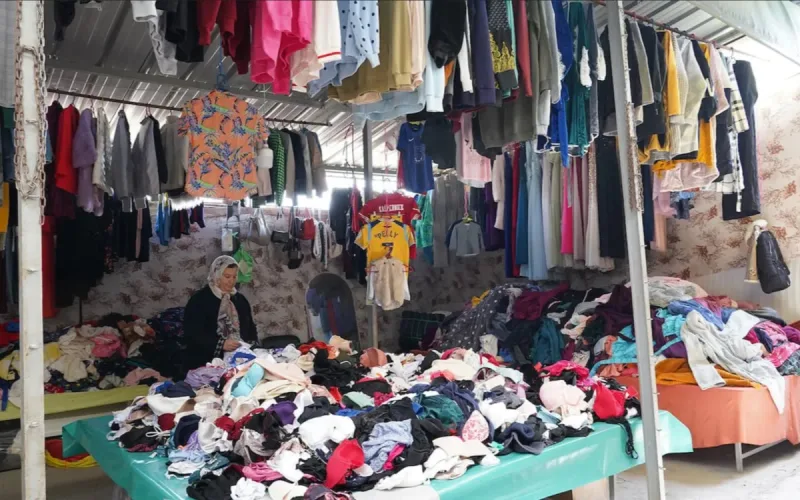
The Moroccan Customs Administration’s control services have strengthened their vigilance at border posts and on several road routes after receiving precise information from the central risk monitoring and management unit.
On Bladi.net : Moroccan Customs Probe Suspected Fraud in Turkish Imports
Investigations focus on shipments declared as secondhand clothing in which significant quantities of new garments are allegedly hidden.
According to Hespress, these networks would bring together merchants, intermediaries and certain associations established abroad. The goods are sometimes presented as humanitarian aid intended for disadvantaged people in order to benefit from complete exemption from customs duties.
Once the shipments enter Morocco, new clothing would be separated from used items in warehouses located notably around Tangier and Tétouan. They would then be gradually distributed to stores at prices difficult to compete with since no import tax would have been paid.
The networks would particularly benefit from sales periods and end-of-season clearances in Europe. They would purchase heavily discounted stocks, sometimes offered at prices more than 80% lower than their initial value, before mixing them with secondhand clothing bundles.
Customs hunts down new clothing warehouses
The new instructions given to inspectors focus on tracking the routes used by suspicious shipments, inspecting means of transport and verifying warehouses used to store goods.
The investigations would also have revealed links with merchants established in Ceuta and Melilla, from whom the networks would recover unsold stocks from previous seasons.
Some of the intermediaries mobilized in Morocco would be former smuggling operators, reconverted after the closure of several traditional crossing points. They would already have the contacts and logistics necessary to transport and quickly resell the goods.
On Bladi.net : Moroccan Customs 45 Day Rule: Don’t Lose Your Goods
This trafficking deprives the Treasury of customs revenue and weakens Moroccan textile and clothing professionals. Merchants who normally pay their taxes must indeed face products sold at low prices by circuits escaping ordinary import rules.