Morocco Budget Strategy: Sale-Leaseback Operations Boost Finances
Morocco obtained revenues equivalent to 2% of GDP in 2025 through sale-leaseback operations on state-owned real estate. A solution that brings immediate money to the budget, but then requires the administration to rent the buildings it sold.
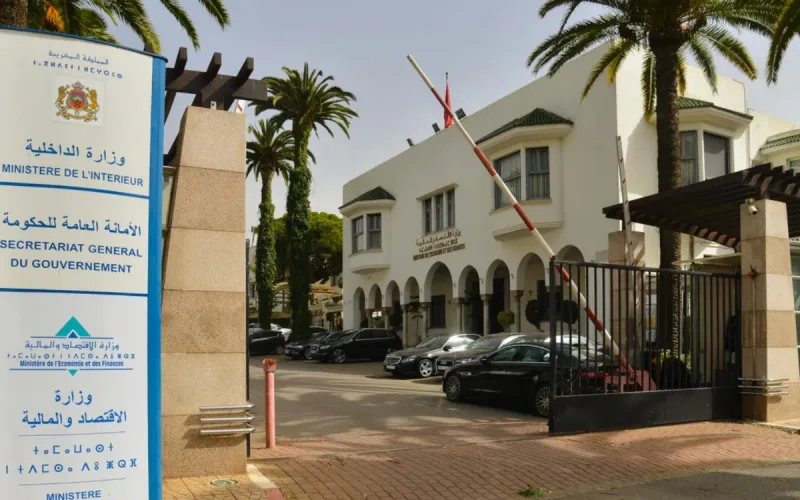
The principle consists of selling a public real estate asset to an investor, then immediately leasing it back in order to continue using it. The State thus receives a substantial sum at the time of sale, but commits in return to paying rent for several years.
On Bladi.net : Fitch warns of budgetary risks related to Morocco’s major projects
These sale-leaseback operations represented the equivalent of 2% of Moroccan gross domestic product in 2025, according to the World Bank’s Report on monitoring the economic situation in Morocco. The institution does not detail the buildings involved in its analysis.
This cash inflow accompanied the improvement in public finances. The budget deficit fell from 7.1% of GDP in 2020 to 3.5% in 2025. Public revenues reached 30.1% of GDP, thanks in particular to the increase in corporate income tax, VAT and customs duties.
The Treasury debt simultaneously stabilized around 67% of GDP, after exceeding 70% during the health crisis. Economic growth and tax reforms have therefore genuinely improved the situation, but sales followed by leases also contributed to the reported results.
A revenue impossible to repeat indefinitely
The World Bank calls for not confusing these exceptional resources with permanent revenues. A sale-leaseback improves the budget immediately, but it cannot be repeated each year on the same assets. It also generates future spending since the State must now pay to occupy buildings of which it was previously the owner.
The institution estimates that persistent recourse to these operations, combined with occasional transfers from public enterprises, could lead to overestimating the real soundness of the State’s finances.
This caution comes as spending exceeded amounts initially budgeted in 2025. The acceleration of public investments represented an additional amount equivalent to 1.6% of GDP, while transfers to public enterprises increased by 0.6% of GDP, notably benefiting rail transport, the aviation sector and organizations involved in distribution and support to farmers.
On Bladi.net : Morocco economy growth investment household consumption 2025
The budget deficit is expected to rise slightly to 3.8% of GDP in 2026, before returning to 3.5% in 2027 and then 3.4% in 2028. For the World Bank, this trajectory will depend on Morocco’s ability to maintain its revenues without relying excessively on asset sales and other non-renewable resources.