
Morocco banking transformation digital cash resistance 2024
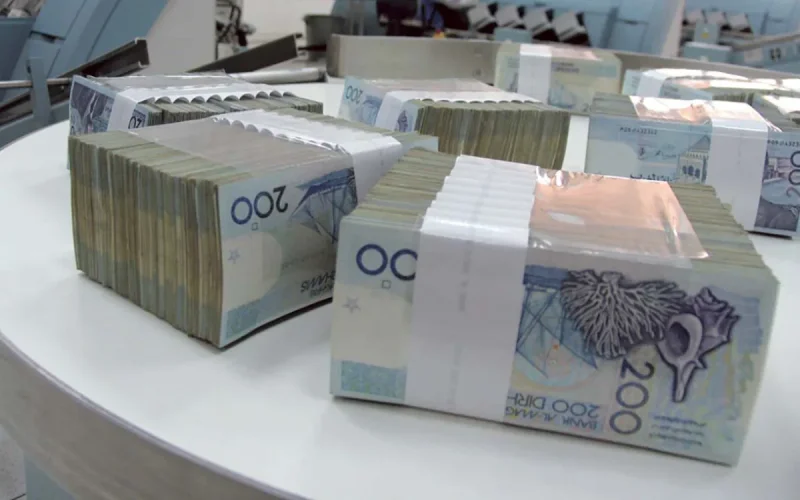
Moroccan banks are undergoing profound transformation. Between the withdrawal of international players, the rise of digital services, and the persistent weight of cash, the retail sector must reinvent itself to face new technological competition.
The Moroccan financial landscape is experiencing genuine restructuring. The gradual departure of certain international establishments, particularly French ones, is freeing up major strategic space for national groups. These are consolidating their positions and continuing their expansion in Africa, where they already have 45 subsidiaries, according to information relayed by Le Matin. Mohammed Berrada, Advisory Director at KPMG in Morocco, believes this "structural turning point" requires "increased capacity for adaptation" to boost competitiveness and customer proximity.
On Bladi.net : The Illusion of French Banks’ Return Against Morocco’s Steamroller
On the technological front, new players are shaking things up with the emergence of 100% digital banks and integrated payment solutions. However, a paradox remains: the country’s overall digital maturity is not yet translating into genuine financial inclusion. Zineb Sefrioui, expert at KPMG, warns that "the challenge is no longer purely technological, but strategic". Retailers must absolutely transform these connected habits into real performance drivers.
On Bladi.net : Moroccan Diaspora Transfers: The New European Law Threatens Moroccan Banks
While the sector rests on solid foundations with 93 credit institutions and 2,414 billion dirhams in total outstanding, the challenge of daily usage remains significant. Currently, 58% of adults have an account, but it often serves only to withdraw their salary. Cash still reigns supreme, representing 90% of transactions with nearly 450 billion dirhams in circulation. Banks must now stimulate the use of digital services while guaranteeing the security and profitability of their operations.
Related Articles
-
220 dirhams on construction sites, up to 400 in the fields: Morocco lacks workers
25 August 2026
-

This Israeli company equips defense giants and also has clients in Morocco
24 August 2026
-

After three days in Algeria, a sanctioned Russian ship passes near Morocco
24 August 2026
-

In Brussels, a Moroccan name and being over 50: the profile most disadvantaged in hiring
24 August 2026
-

Morocco Has a New Billionaire Forbes Has Yet to Spot
24 August 2026