
MRE: Toward the End of High Commissions on Money Transfers?
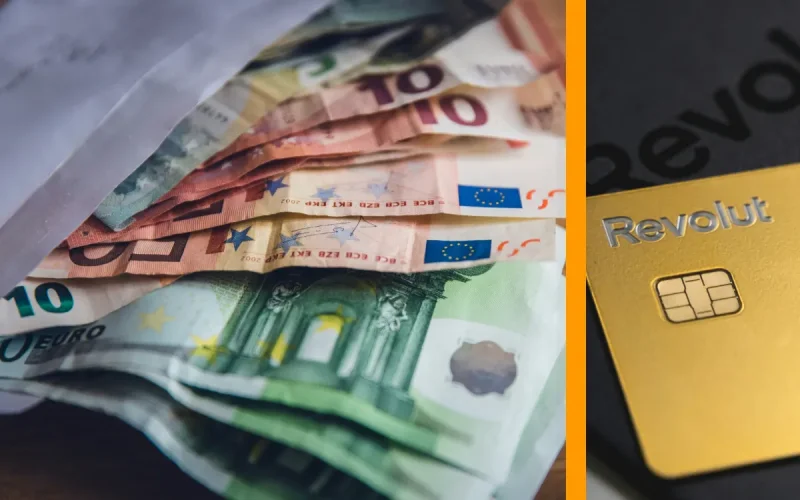
The British fintech Revolut is actively preparing its arrival on the Moroccan market. Awaiting regulatory approval, the leader with 40 million clients is betting on reducing transfer fees to attract Moroccans living abroad.
The project is already underway in Casablanca. Yacine Faqir, a former executive at Mastercard who worked at the World Bank, is leading the initiative as the new CEO. According to Challenge’s information, the company is currently in discussions with Bank Al-Maghrib to obtain the essential regulatory approval needed for its launch.
On Bladi.net : The British giant Revolut assaults the Moroccan market
The stakes are enormous for Moroccans living abroad (MRE). In 2024, they sent more than 117 billion dirhams to the Kingdom. These flows are often reduced by high commissions and minimum fees, a segment where the neobank plans to establish itself through aggressive pricing and its digital model.
Fintech expert Adnane Messaoud believes this arrival could "shake up banks with its 100% digital services" and real exchange rates. The platform primarily targets a connected clientele and the diaspora, already very familiar with the application in Europe, making it a threat to traditional institutions.
However, the path remains fraught with obstacles. The Moroccan regulator is known for its high standards: no new foreign banking license has been issued in a decade. Giants like M-PESA and Flutterwave have already failed to establish themselves after several years of unsuccessful attempts.
The legislative framework also raises questions. The data protection law, dating from 2009, could hinder the group’s technological ambitions, particularly regarding artificial intelligence use. Moreover, the Moroccan banking sector is highly concentrated, with five players controlling 76% of the market.
On Bladi.net : Revolut’s Moroccan Debut: Digital Banking Revolution Looms
To overcome these obstacles, Revolut could opt for a partnership with a local bank rather than a full license. Despite these challenges, its establishment is seen as a lever to modernize financial services and promote financial inclusion in a country that already has 18 payment institutions.
Related Articles
-

220 dirhams on construction sites, up to 400 in the fields: Morocco lacks workers
25 August 2026
-

This Israeli company equips defense giants and also has clients in Morocco
24 August 2026
-

After three days in Algeria, a sanctioned Russian ship passes near Morocco
24 August 2026
-

In Brussels, a Moroccan name and being over 50: the profile most disadvantaged in hiring
24 August 2026
-

Morocco Has a New Billionaire Forbes Has Yet to Spot
24 August 2026