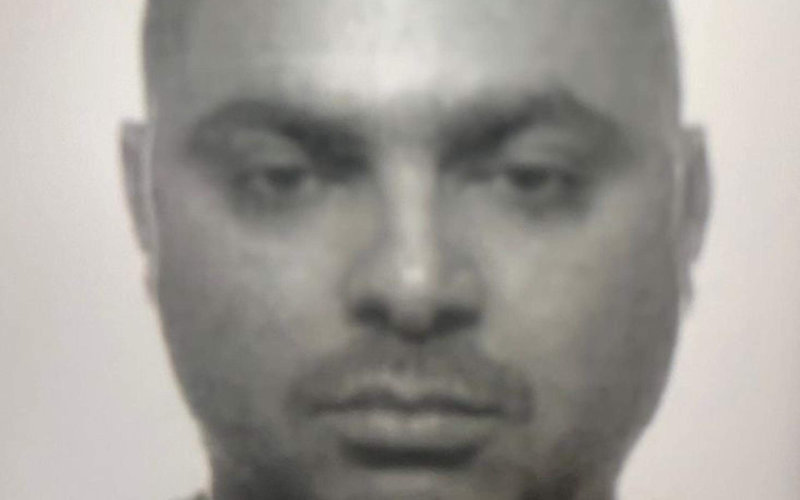
Morocco Arrests Belgian-Wanted Drug Trafficker
Wanted by Belgian authorities, Antwerp drug trafficker Mounir E.B., known as “Gino,” has been arrested in Morocco, according to Belgian media. Two convictions have been sent to Moroccan authorities so they can handle the case judicially in the country.

“Gino’s” flight ended in Morocco. According to sources cited by De Morgen and later reported on October 7 by Crimesite, Mounir E.B. was arrested late the previous week. Belgium had sent two convictions concerning the man, who had already been tried in several drug-trafficking cases.
The search had begun before the arrest. Moroccan police had raided several addresses in Rabat and Tétouan linked to his family, originally from Deurne, in the Antwerp metropolitan area. Those initial operations did not lead to his discovery. A new raid eventually led to his arrest.
His flight after several convictions in Belgium had left the Antwerp authorities facing an obstacle: Mounir E.B. also holds Moroccan nationality. Cooperation between the two countries nevertheless makes it possible to send a case to the authorities of the kingdom so they can consider what judicial steps to take.
According to Crimesite, the two convictions were sent to Morocco so local authorities can handle the prosecution or any potential enforcement of the sentences.
Cases sent to Morocco instead of extradition
This mechanism is provided for by the Belgian-Moroccan extradition treaty signed in 1997. Article 4 states that neither country extradites its nationals. Nationality is assessed at the time of the offense for which surrender is requested.
The same article provides for another route when the acts are punishable in both countries. At the request of the requesting state, the country where the person is located must submit the case to its competent authorities so that proceedings may be brought where appropriate. The text thus provides for the transmission of the documents needed to examine the case, according to the treaty reproduced by OpenJustice.
On Bladi.net : Released from prison in the morning, sentenced in the evening: Morocco hands three Belgian fugitives up to 9 years
The treaty also requires the state receiving the request to inform the other country of the action taken. Once the courts’ jurisdiction has been established, it provides for information about the options available to injured parties to join the proceedings as civil parties.