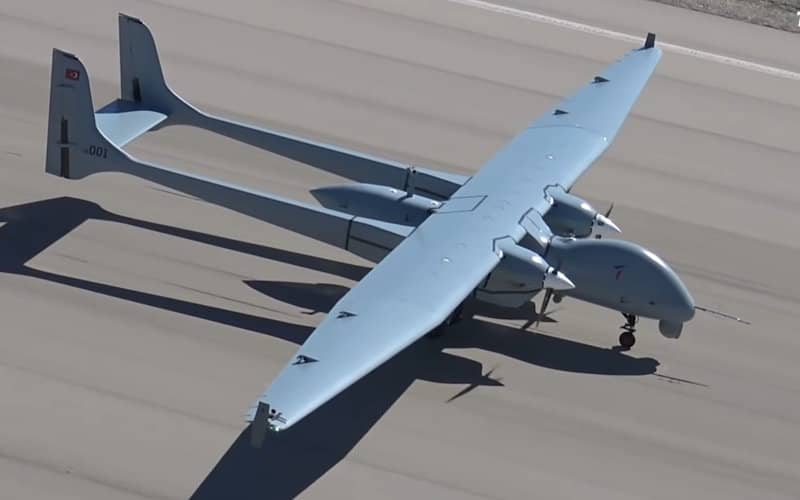
Morocco, Algeria: Turkey sells its drones to everyone
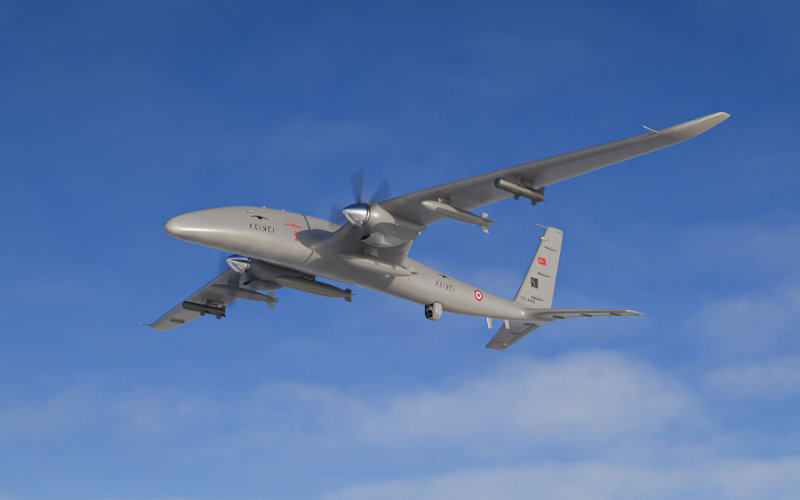
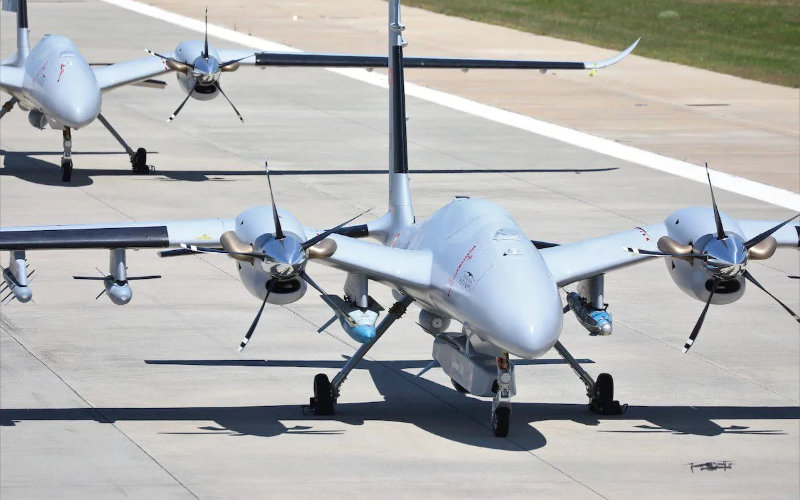
From Morocco to Saudi Arabia, Turkey has established its armed drones in the main Arab militaries. TB2, Akinci, Anka-S and Aksungur now equip countries that are sometimes rivals, turning Ankara into an indispensable supplier for the Maghreb and the Gulf.
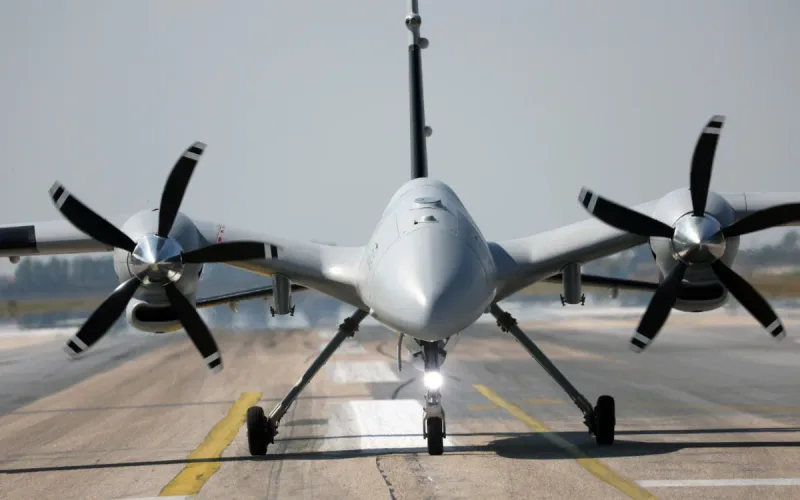
In just a few years, Turkish drones have reached almost all of North Africa and a large part of the Arabian Peninsula. Morocco, Algeria, Tunisia, Libya, Egypt, Sudan, Qatar, Kuwait, the United Arab Emirates and Saudi Arabia have bought or received aircraft produced by Baykar or Turkish Aerospace Industries.
This expansion is documented by Forbes, which describes a commercial conquest stretching from Morocco, on the Atlantic, to Qatar, in the Gulf. Ankara has even managed to sell its drones to countries opposed to one another on several regional issues.
Morocco was one of the first Maghreb customers for the Bayraktar TB2. The Royal Armed Forces subsequently moved up a category with the Akinci, a heavier drone capable of carrying more sensors and munitions. The first Akinci drones destined for Morocco were received in 2025.
Algeria, although Morocco’s rival, in turn turned to the Turkish industry. Algiers ordered Anka-S and Aksungur drones developed by Turkish Aerospace Industries. Turkey is thus simultaneously equipping the two main military powers of the Maghreb, without choosing between them.
On Bladi.net : article 97109
Tunisia, for its part, operates Anka-S drones, while Libya illustrates Turkish pragmatism even more clearly. In 2020, the TB2s deployed by Ankara had helped repel Marshal Khalifa Haftar’s offensive against Tripoli. Six years later, Akinci drones were also spotted in eastern Libya controlled by his forces.
Turkey is therefore now equipping both Libyan camps that it had previously opposed. This strategy allows it to maintain military influence across the country, regardless of changes in local alliances.
Egypt has also acquired Akinci drones and engaged in cooperation with Turkey to assemble drones locally. Some Egyptian aircraft are reportedly already being used from the south of the country in strikes linked to the war in Sudan.
The Gulf is gradually abandoning Chinese drones
The Turkish breakthrough is just as spectacular in the Gulf. During the 2010s, Saudi Arabia and the United Arab Emirates had mainly turned to Chinese drones, as Washington was then refusing to sell them certain armed aircraft.
The rapprochement with Ankara changed the situation. Saudi Arabia ordered Akinci drones as part of an agreement including technology transfer and joint production. Baykar presented this deal as the largest military and aerospace export contract in Turkey’s history.
The United Arab Emirates also bought TB2 and Akinci drones. Its defense group Edge even integrated an Emirati guided munition onto the TB2, showing that Turkish sales are now leading to industrial cooperation with customer countries.
Qatar had paved the way as early as 2018 by purchasing six TB2s. Kuwait followed with an order for 18 aircraft valued at 370 million dollars. In the Gulf Cooperation Council, only Oman and Bahrain do not yet have Turkish drones.
On Bladi.net : Turkish-Made Akıncı Drone Sets 100,000-Hour Flight Record, Morocco Among Buyers
Ankara’s success is based on a particularly adaptable offering. Turkey provides aircraft that are less expensive than major American platforms, accepts technology transfers more readily and can accompany its contracts with training, maintenance or local production.
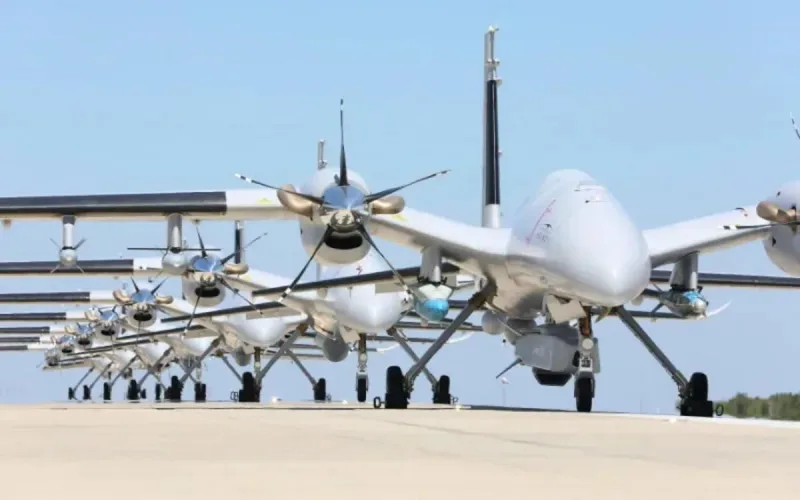
Turkish drones have also been deployed in Libya, Syria, Nagorno-Karabakh and Ukraine. This combat experience served as a showcase for Baykar, which says it has concluded TB2 export contracts with 34 countries and Akinci contracts with 11 countries.
In 2024, Baykar had achieved 1.8 billion dollars in exports, representing 90% of its revenue, according to figures published by the manufacturer. The company officially lists Morocco among the African countries that have chosen its aircraft.
In Morocco, this relationship could go beyond purchases. Baykar executives created Atlas Defense, a company registered for the design, manufacture and maintenance of drones. A Turkish industrial presence in Morocco would allow Ankara to move even closer to its African customers.
Turkey has thus managed to equip Morocco and Algeria, both Libyan camps, Egypt and several Gulf monarchies. Its drones are no longer merely an export product: they have become one of the main instruments of its influence in the Arab world.