For Moroccan Women Facing Domestic Violence, Seeking Help Is Only the First Hurdle
A study in Fès-Meknès describes the obstacles women facing domestic violence encounter when they turn to services tasked with protecting them: burdensome procedures, little emotional support and inadequate follow-up.
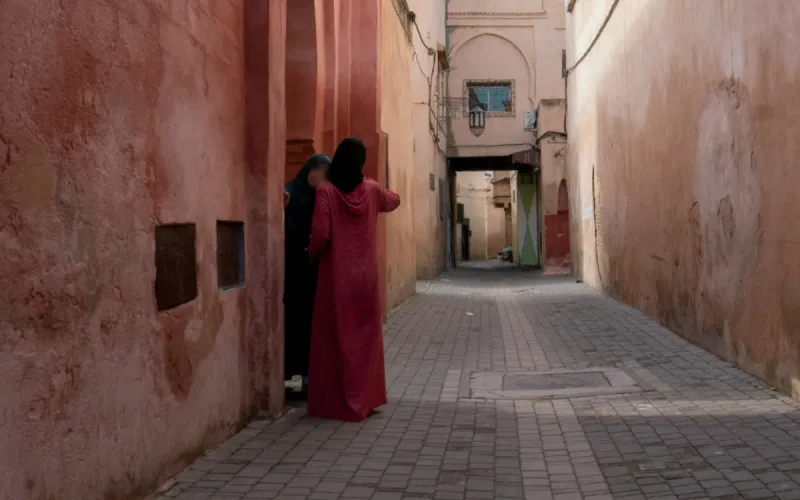
To examine how these women are supported, Laila Mrabti and Zouhair Belamfedel Alaoui collected testimonies from 44 women and interviewed 41 health, justice and police professionals. Published on 29 September in the journal Violence Against Women, their research compares victims’ experiences with how the institutions they turn to operate.
On Bladi.net : Moroccan Princess Leads Crusade Against Domestic Violence Epidemic
The interviews revealed several challenges that compound one another: access to services remains unequal, procedures are burdensome and emotional support is limited. These obstacles are compounded by gaps in follow-up and fragmented coordination among the various professionals involved. The researchers thus found a gap between the protections provided for and their implementation.
This lack of continuity had already been studied by the same authors. In research published in March 2025 in Santé Publique, they interviewed ten women and thirteen social workers employed in hospital support units in Fès-Meknès. The reception of victims, confidentiality and referrals were among the difficulties identified.
Insufficient follow-up after the first contact
That earlier study described, in particular, reception areas shared with other people, compromising confidentiality. It also highlighted the difficulty social workers faced in balancing administrative tasks with listening to women. Contact was not maintained adequately after the intervention. One participant expressed a simple wish: “A simple call to check how I’m doing could make all the difference.”
Yet support needs to address several needs. In police services, the units for women victims of violence, introduced in 2019, were specifically tasked with combining the handling of complaints with psychological support, advice and referrals. Coordination with other organizations was also among their responsibilities.
The study published in late September broadens the analysis to the health, justice and police sectors. Examining institutional responses in Fès-Meknès, it finds the same problems with follow-up and coordination, this time comparing the accounts of 44 women with those of professionals.
The authors call for more integrated support organized around victims’ needs. In their earlier work, they notably proposed strengthening professionals’ training, links between services and follow-up protocols after the initial reception.