Moroccan Woman, 72, Says Diplomats Left Her Homeless Without Her Papers
Recruited in Morocco to work in France, Saadia El Lahyani, 72, accuses a Moroccan diplomatic couple of abruptly dismissing her. According to an investigation by Mediapart, she was left without a place to live and deprived of her identity documents. Her lawyer has launched legal proceedings against the Moroccan state.
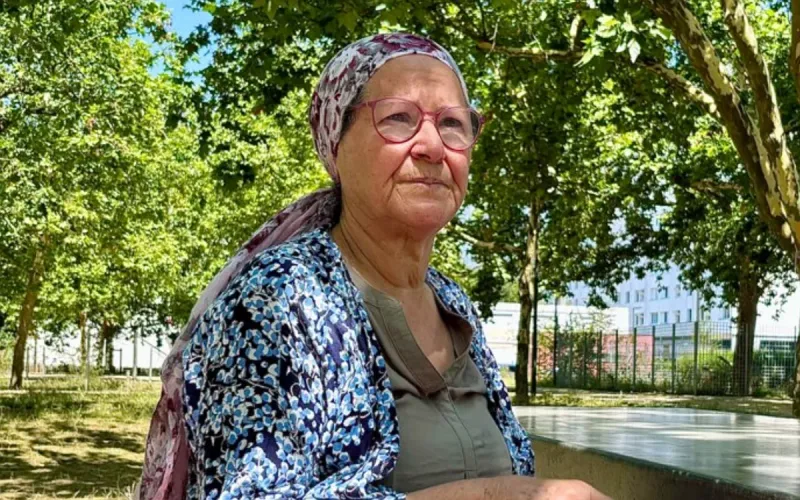
With a cane in hand, Saadia El Lahyani met a Mediapart journalist last June in a garden in Bordeaux’s Grand Parc neighborhood. At the time, she was temporarily staying with someone else. A few months earlier, the Moroccan woman had been working in Paris for an ambassadorial couple. In her investigation published on September 2, 2026, journalist Nejma Brahim gathered her account of the circumstances surrounding her departure.
Saadia had been recruited in Morocco to work for the kingdom’s diplomatic mission in France. Her special residence permit, a photocopy of which Mediapart reviewed, officially identified her as a service employee, with duties as a cook at Morocco’s Permanent Delegation to UNESCO. Once in Paris, she says, she discovered that her duties mainly involved cleaning and washing dishes at the couple’s private home.
The working conditions she describes were particularly difficult. Saadia says she was subjected to shouting and intimidation by her employer, including an incident in which a bottle of water was allegedly thrown in her direction. She also says she was forced to eat alone in a laundry room, even though her employers had initially promised to provide accommodation and food.
She shared a maid’s room with another domestic worker. She says she ultimately had to pay for her own meals.
Police called to make her leave
The dispute ended with an eviction that Saadia describes as brutal. According to her account, her employers called the police to make her leave. Her lawyer says no written dismissal procedure was followed and no documents were given to her. The woman in her seventies also says she had to leave without being able to retrieve all her personal belongings.
Her identity documents then became a particular concern. According to information reported by Mediapart, her employers kept her passport and special residence permit. She was given a one-month consular travel document to allow her to return to Morocco. Her daughter says she asked the police officers at the scene by phone to take a complaint from her mother. She says they referred her to the Moroccan authorities.
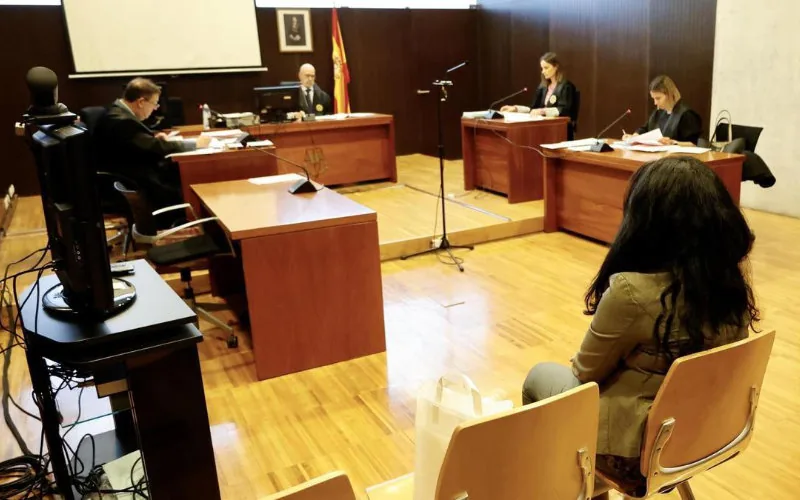
Saadia has decided to take the dispute to the French labor courts. Her lawyer is asking the labor court to find the Moroccan state liable for wrongful dismissal, undeclared work, psychological harassment and breaches of working-hours and safety regulations. The case also seeks back pay and overtime that the former employee says she was not paid.