Moroccan Strawberries Add to Spanish Growers’ Concerns After Tomato Market Shift
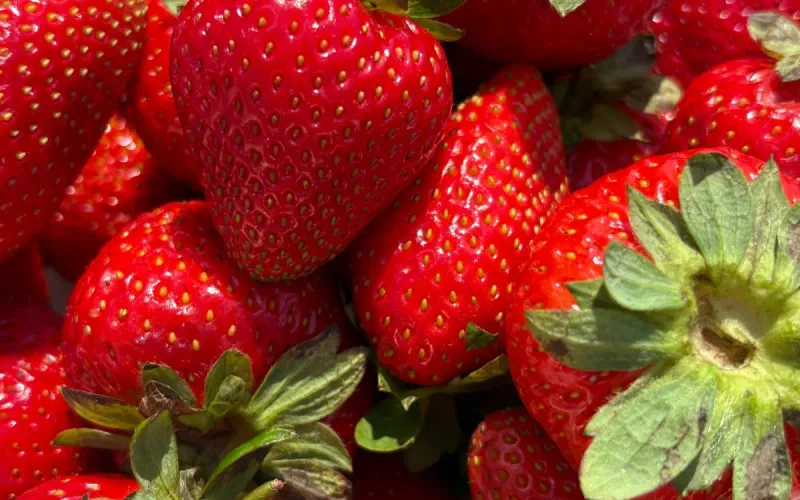
After tomatoes, Spanish producers are facing another rising Moroccan competitor: strawberries. In Huelva, they denounce growing pressure on prices during the winter. The advance of blueberries and raspberries is also worrying them.
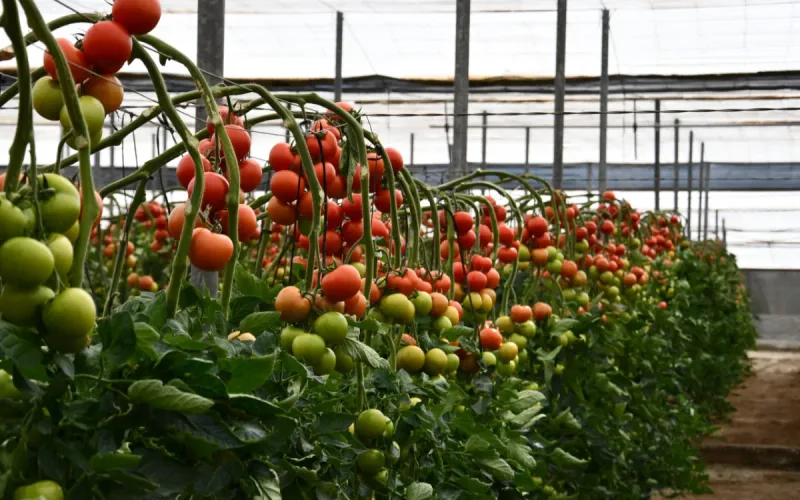
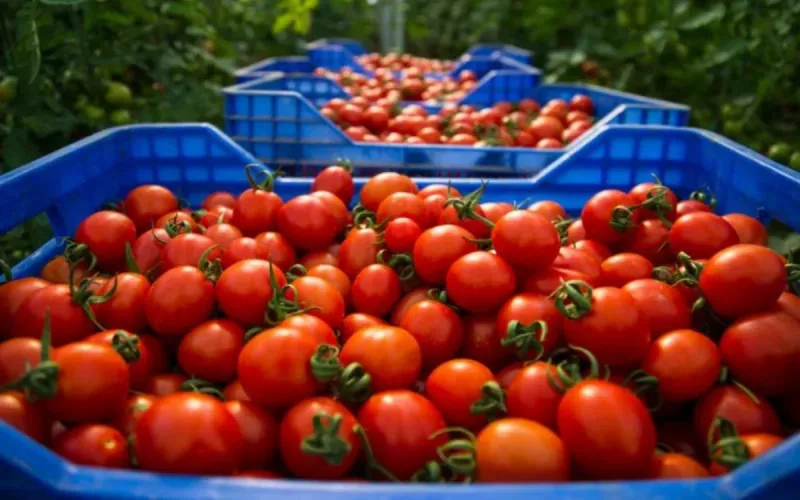
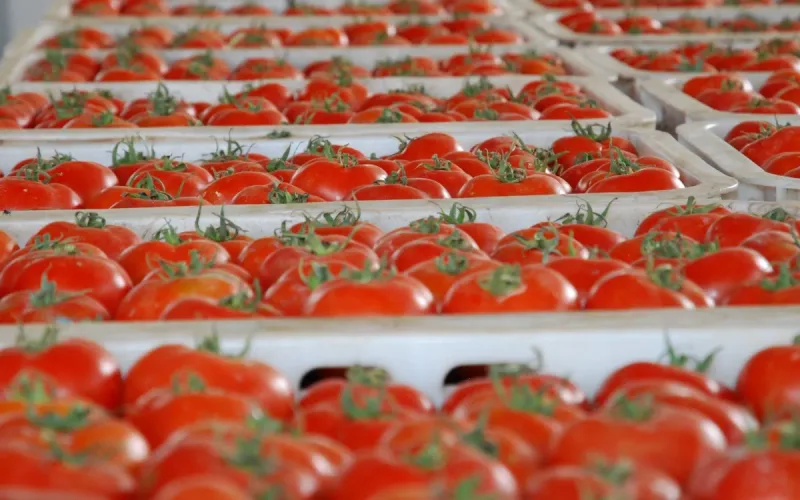
Morocco has now overtaken Spain in the European tomato market. According to figures provided by Spanish federation FEPEX to El Español, Moroccan deliveries to the European Union reached 526 737 tonnes in 2025, compared with 502 449 tonnes shipped by Spain to other member countries.
On Bladi.net : Spanish growers cut cherry tomato production as Morocco gains ground
In 2016, the balance of power was reversed: 344 094 tonnes for Morocco, 763 846 for Spain. In nine years, Moroccan volumes rose by 53%, while those of its Spanish competitor fell by 34%.
But Spanish producers are now looking to Huelva, a major region for growing soft fruit. Andrés Góngora, secretary-general of the agricultural coordination group COAG, says Moroccan strawberries directly compete with those grown in the province, precisely when both harvests reach European markets.
In Huelva, the battle shifts to soft fruit
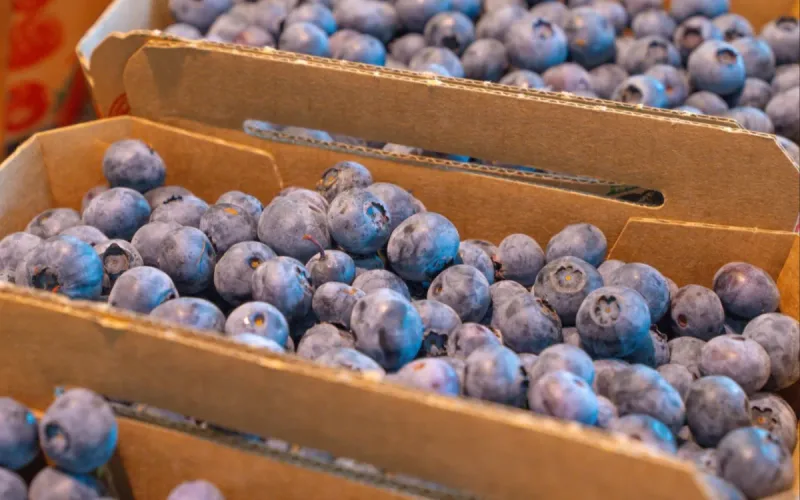
“Strawberries are hurting us a lot right now,” the union official told the Spanish daily. He then named blueberries and raspberries as the next crops exposed to Morocco’s advance.
Ignacio Antequera, of FEPEX, points to differences in labor costs and phytosanitary rules on either side of the Mediterranean. Spanish agricultural organizations say these differences strengthen Moroccan producers’ competitive advantage.
These concerns were already present in 2023, when Huelva growers denounced Moroccan competition in raspberries. The October 26 report shows that their criticism now also focuses on strawberries, at the heart of the winter season.
Another concern: a 2024 European Commission report mentions an additional 13 000 hectares to be made irrigable by 2030, including 8 000 in Boujdour and 5 000 near Dakhla. These new areas are part of agricultural projects supplied in particular by desalinated seawater.