Moroccan migrants Spain: faster anthropometric record processing
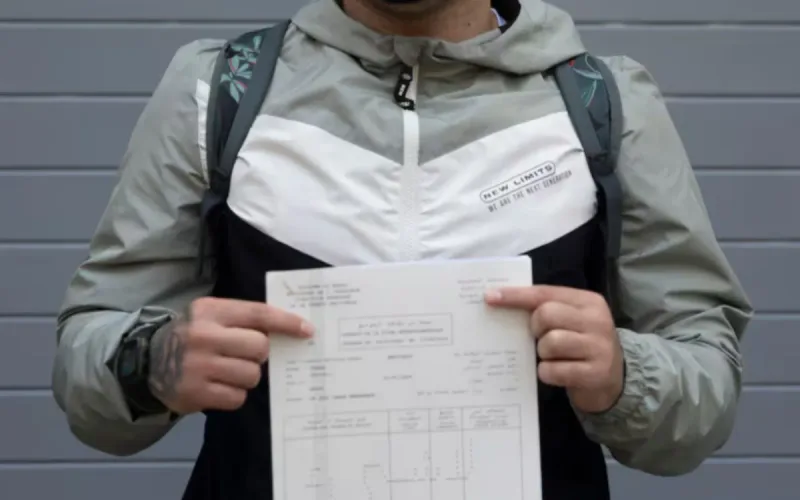
Morocco is simplifying the process of obtaining the anthropometric record for its nationals in irregular situation in Spain. Thanks to a new digital and diplomatic circuit, this essential document is now issued in less than a week.
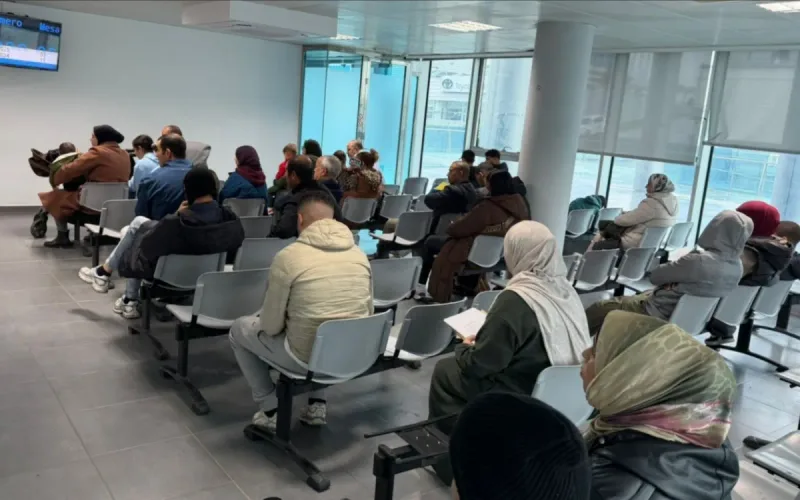
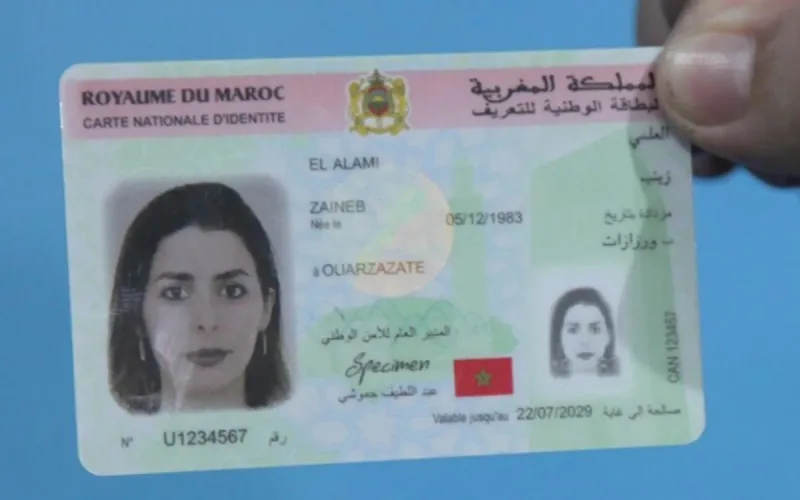
Moroccans no longer need to establish a power of attorney for their relatives to retrieve this judicial document from the General Directorate of National Security (DGSN) in Morocco. Now, the applicant presents themselves directly at the consulate in Spain with their national identity card. The diplomatic representation processes the request and sends it via secure email to the supervising ministry, which forwards it to the General Directorate of National Security (DGSN). Once the document is issued, it is certified by the prefecture of Rabat-Salé-Kénitra to obtain the Apostille, then returned to Spain by diplomatic pouch.
On Bladi.net : The 3-Euro Key: How One Document Opens Doors to Legality for Moroccans in Spain
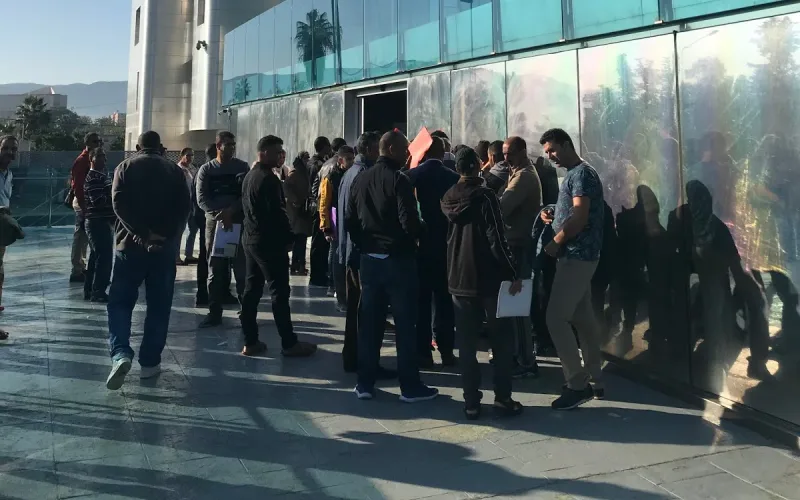
To absorb the influx of requests, the Moroccan consulates in Spain are reshuffling their organization. Opening hours are extended until 18:00 instead of 15:00, and the volume of available appointments is increased. Saturday becomes exceptionally a working day and "open door" days are organized on Sunday if necessary. Temporary staff reinforce field teams to maintain parallel services such as civil registration or passport issuance.
This emergency plan responds to a written request from advisors, members of the National Rally of Independents (RNI) group. In his official response, the Minister of Foreign Affairs, African Cooperation and Moroccans Residing Abroad details this strategy. Nasser Bourita affirms that diplomacy is deploying a comprehensive approach to "guarantee the level of services and ensure smooth access for Moroccan citizens in Spain" to these administrative services.
On Bladi.net : Morocco Launches ’e-Police’ Portal for Online Administrative Services
This reorganization follows the Spanish government’s decision to regularize the situation of undocumented migrants. A remote coordination meeting brought together the Madrid embassy and all consular centers to eliminate traditional bureaucratic burdens. This mobilization is part of implementing royal directives aimed at preserving the interests of the Moroccan community established abroad and strengthening its ties with its homeland.