Moroccan Migrant Spends €7,000 on 25-Hour Crossing, Is Free for Just 20 Minutes in Spain
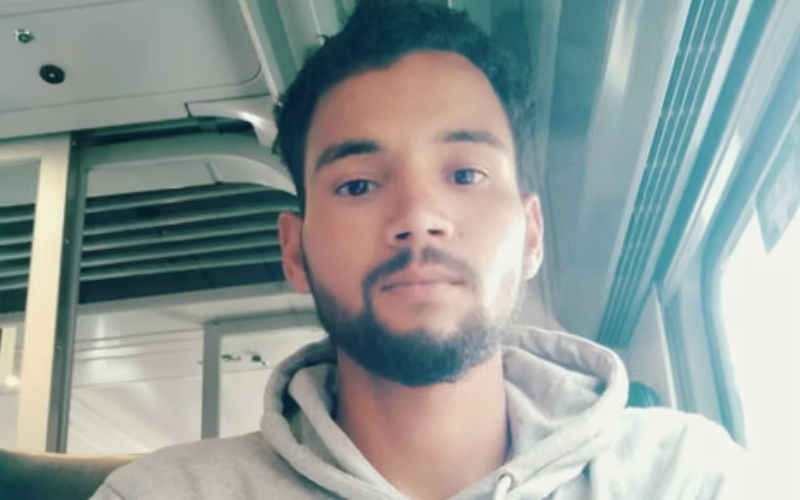
At 22, Ayoub thought he had reached Spain after an arduous crossing. Interviewed in Al Hoceïma by the EFE news agency, he recounts his third attempt to emigrate, his arrest in Málaga and his return to Morocco, hundreds of kilometres from home.
In Málaga, Ayoub and ten other passengers get off a fishing boat and start walking through the port. They have just spent 25 hours at sea. Twenty minutes later, they are arrested, the 22-year-old Moroccan says in an investigation by the Spanish news agency EFE.
On Bladi.net : Moroccans Paid Up to €11,000 Each to Reach Melilla by Boat
The young man says he paid 7,000 euros for the crossing. The vessel is a “buletera,” a traditional fishing boat used in northern Morocco. This unsuccessful arrival in Spain marks his third attempt to emigrate.
Asked about his motivations, Ayoub describes an idea that is ever-present among the young people around him: reaching Europe by boat, via Sebta or Melilla, or by obtaining a visa. Some of those who leave legally then choose to stay abroad, he tells EFE in its October 21 report.
Up to 11,000 euros in another Spanish case
The sums involved in these crossings also came to light in an investigation announced on October 19 in Melilla. Six Moroccans told Spanish police they had each paid up to 11,000 euros to travel clandestinely aboard a pleasure boat. Four suspects were arrested in the case.
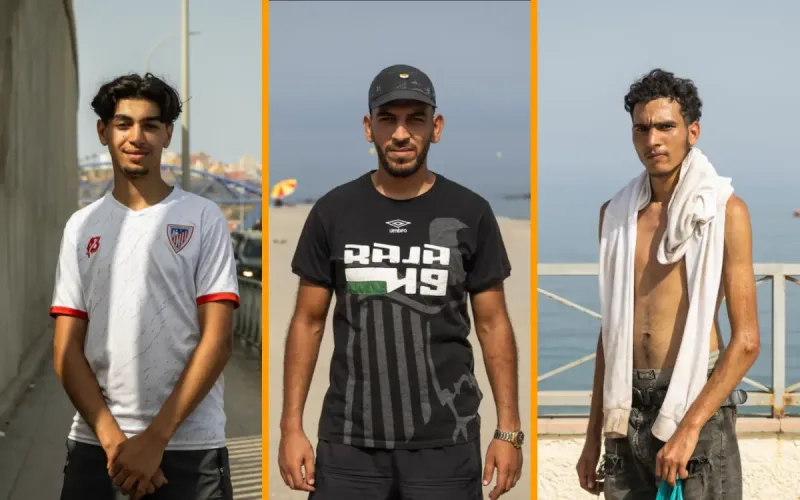
In Al Hoceïma, EFE also interviewed 21-year-old Amir. He and his friends speak of intermediaries demanding up to 12,000 euros. Several young people say they are waiting to raise the money needed to leave. For Amir, the reasons for leaving also concern rights and living conditions.
Ayoub’s journey continued after his arrest. Returned to Morocco, he was taken by the authorities to Chichaoua, about 900 kilometres south of Al Hoceïma, where his family lives.
He then had to rely on relatives to get back to his hometown. “My family sent me money to get home,” he tells EFE. After paying for the crossing, he still had to cover the cost of the journey back.