
Moroccan diesel threatens Spanish refineries amid Russian sanctions
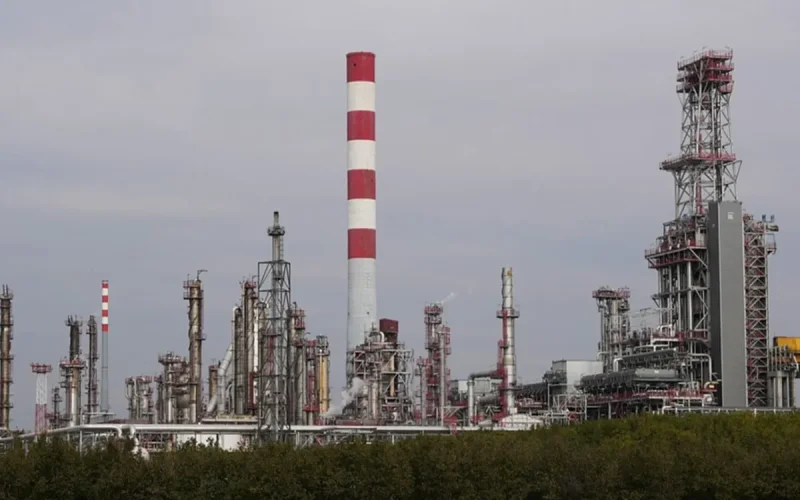
Spanish imports of diesel from Morocco have exploded since the military escalation in the Middle East. The Iberian oil sector denounces unfair competition and suspects a maneuver to introduce Russian fuel into Europe despite sanctions.
The closure of the Strait of Hormuz and attacks on commercial vessels are disrupting the global energy market. In this context, Russia remains one of the few producers capable of selling its surpluses at low prices. Morocco maintains its commercial relations with Moscow and sources massively from it. In 2025, Rabat purchased 645,000 tonnes of Russian diesel, a volume that already reaches 489,000 tonnes in 2026, representing 45% of its total diesel imports, according to operators.
On Bladi.net : EU-Morocco Deal Sparks Agricultural Turmoil: Spanish Farmers Face Saharan Fruit Flood
These volumes raise questions on the other side of the Mediterranean, especially since Rabat has no refining capacity. However, data from the Cores platform confirms the arrival of 76,000 tonnes of Moroccan diesel in Spain in March and April, a first in nearly a year. These flows were marked by the docking of several cargo ships in spring, including the Harbiye in Tarragona with 40,000 tonnes, and the Aldebaran in late June, reveals El País.
Faced with this influx, the local industry cries foul. Spanish players suspect a triangulation allowing Russia to circumvent the European veto of 2022. The Fuel Industry Association (AICE) insists on the need to "fight any type of fraud" that would penalize the country’s eight refineries. As early as 2024, Repsol’s chief executive, Josu Jon Imaz, was alarmed by products arriving "on the European market under advantageous conditions that affect our industrial competition".
On Bladi.net : Morocco Lemon Exports Disrupt Spanish Market 2026
These suspicious shipments often end up with low-cost distributors with their own storage tanks. However, proving the illicit origin of the hydrocarbon molecule remains almost impossible once it has transited through a third country. The Spanish government had indeed launched an investigation into these practices without ever being able to establish sanctions, as fuel traceability is completely lost outside the borders of the European Union.
Related Articles
-

In Sebta, hospital keeps five Moroccan women after giving birth: “Otherwise, they will end up on the streets”
19 September 2026
-
The day before 72,000 crossings from Morocco, the CNI had issued a warning: the judge wants to know who knew what
19 September 2026
-

The Ceuta crisis causes bookings to plunge by 90 %… but not in Morocco
18 September 2026
-
Spain closes a maritime zone off Morocco to fire live missiles
18 September 2026
-

After the mass arrivals from Morocco, NATO official assures that the Alliance would support Spain
18 September 2026