Moroccan Children Abroad Face a Growing Question: Who Will Care for Their Aging Parents?
A widowed, retired mother lives alone in Casablanca while her children build their lives abroad. Between video calls, worries about their parents’ health and the sacrifices made by those who stay, an HCP survey sheds light on the challenges facing families separated by borders.
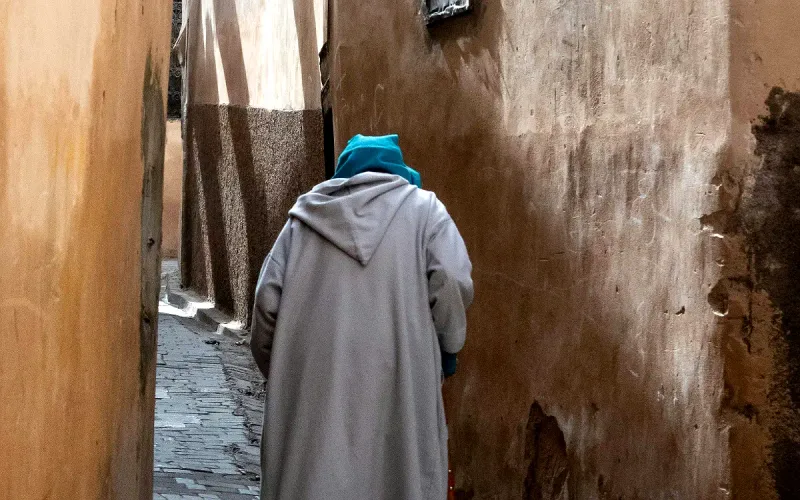
In Casablanca, a retired mother spends much of her day at home, between watching television and cooking. Her husband has died, and all her children live abroad for their studies or work. In July 2024, one of them described on Reddit their worry about her growing isolation. The family tries to video-call her every day. The child is now looking for activities and opportunities for their mother to meet people, but cannot accompany her.
On Bladi.net : As Children Move Abroad and Friends Die, an Elderly Moroccan Man Faces Growing Isolation
This account reflects a concern measured by the High Commission for Planning. In its National Family Survey 2025, published in April 2026, 75.7% of people aged 60 to 75 consider it important or very important for their children to live nearby. Among the same age group, 23.2% say they feel lonely, including 9.8% who feel lonely all the time.
The issue becomes more concrete when parents begin to lose their independence. According to the HCP, 36.5% of seniors living alone receive no help with household tasks. Daughters play a particular role in assisting older women: they account for 36.6% of identified sources of help, compared with 17% for sons. Distance can therefore place more responsibility on relatives who remain in Morocco.
Move to Europe or stay close to your parents?
In September 2026, another Moroccan described the consequences of this choice on Reddit. Aged over 30, he says he turned down several job opportunities abroad. His older brother had already left, and his elderly father was experiencing health problems.
When he was a child, his father used to joke that they could not let the last man in the family leave. The remark weighed on his decisions for a long time. Today, the author says his friends have left Morocco and that he sometimes feels regarded as less successful than his brother, who settled abroad. He is beginning to regret the career opportunities he turned down.
These two situations show the opposing difficulties children can face: those who leave must arrange support from a distance, while those who stay may shoulder the burden of being there every day on their own. When no one lives nearby, options include other family members, neighbors or paid assistance, raising questions about funding and availability.
On Bladi.net : Moroccan Mother Torn Between Growing Old at Home and Staying Close to Her Children in the Netherlands
The HCP survey also measures the growing need for support: 16.9% of people aged 60 to 75 say they are physically dependent on others. The proportion reaches 25% among those aged 70–75. In these situations, support is no longer limited to phone calls or money transfers: it also requires someone to be there for everyday tasks and care.