Minurso Crisis: UN Sahara Mission Faces Uncertain Future
Mired in a major budgetary crisis and confronted with new diplomatic balances, the UN mission in Western Sahara sees its future threatened. A profound reassessment of its security role seems inevitable before October.
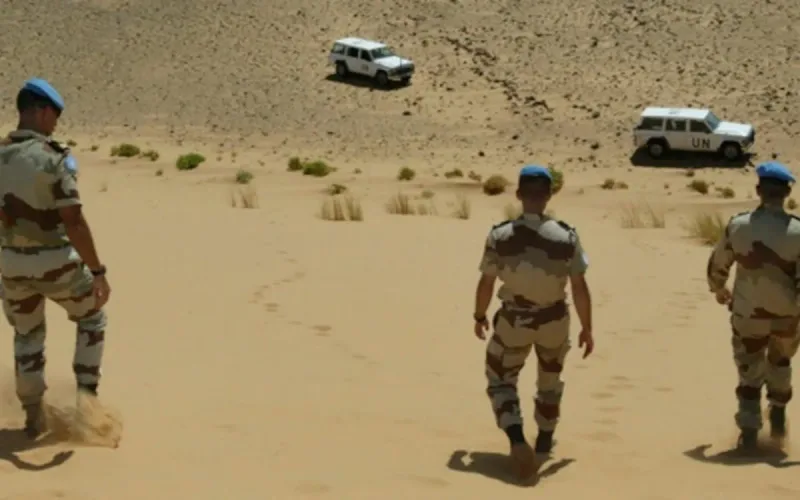
The sustainability of United Nations peacekeeping operations is today compromised by depleted treasury resources. Current resources no longer even guarantee a quarter of operational functioning, pushing the organization to draw heavily from its reserves while member states’ arrears far exceed the annual budget. Facing this urgency, drastic restructuring measures have already been applied on the ground, including the dismissal of around twenty medical personnel members and the reduction of air logistics capabilities.
On Bladi.net : Washington Pressures Polisario on Sahara Autonomy Plan
Beyond these budget cuts, the very essence of the mission is being called into question as its mandate renewal approaches. Originally designed in 1991 to organize a referendum, this option is today losing considerable ground in international negotiations. Now, priority is shifting towards regional stability, security, and the emergence of a realistic political solution. With security surveillance of the territory already ensured by Morocco, the relevance of a UN presence is openly questioned.
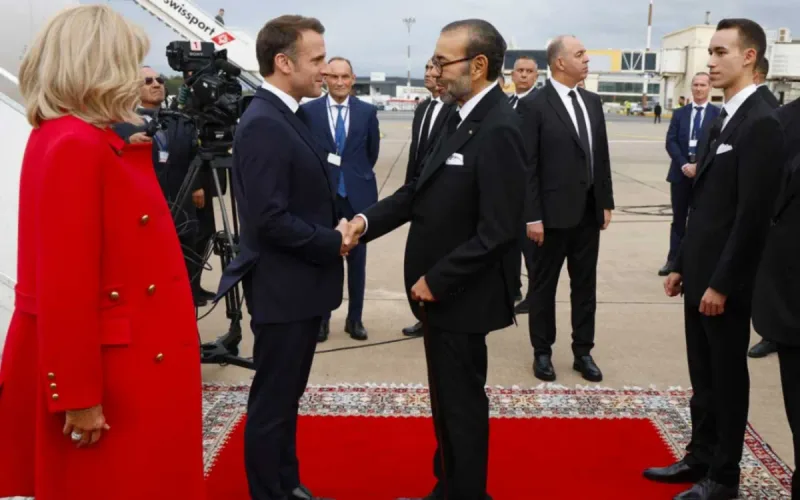
The geopolitical context has profoundly changed, weakening the separatist position in favor of Moroccan sovereignty. As expert Abdelfattah El Belamachi specifies in the columns of Jeune Afrique, "the role historically attributed to Minurso can no longer be analyzed independently of diplomatic mutations". The growing support from Western powers such as the United States, France, and Spain drastically alters the regional equation. The mechanisms developed more than thirty years ago prove inadequate to these new power dynamics.
On Bladi.net : Sahara: the UN places the Moroccan autonomy plan at the center of the new resolution
This obsolescence pushes the UN Security Council towards a decisive choice. Conflict management tools must necessarily adjust to reflect current political reality. If concrete advances emerge from discussions between the different parties, a gradual revision of means and on-the-ground presence is being considered. Ultimately, this dynamic revives debates about the real utility of maintaining the mission in its original format.